


Tourists
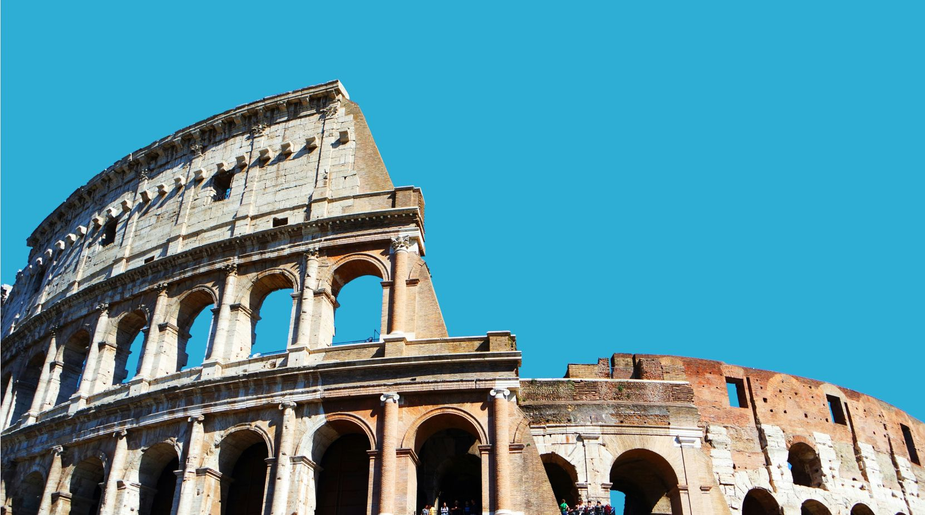
Plan 3 days in Rome with this practical itinerary covering the Colosseum, Vatican City, Trevi Fountain, Roman Forum, local food, and the best areas to explore.


Rome is one of those cities where three days can disappear very quickly. There are ancient ruins, famous churches, museums, busy squares, great food, and enough small streets to keep you walking well past your planned schedule.
The good news is that three days is enough to see the main sights without turning the entire trip into a race. The key is grouping places that are close together and leaving some space for meals, coffee, and the occasional unplanned stop.
This 3-day Rome itinerary covers the main attractions while keeping the schedule realistic. It includes the Colosseum, Roman Forum, Pantheon, Trevi Fountain, Vatican City, and some time for simply enjoying Rome.
The first day is best spent around the historic center and Ancient Rome. This part of the city has some of the places that usually appear at the top of every Rome itinerary, so starting here makes sense.
Begin the morning at the Colosseum.
It gets busy quickly, especially during the warmer months, so an early visit is worth it. Booking a timed entry in advance can also save a lot of time.
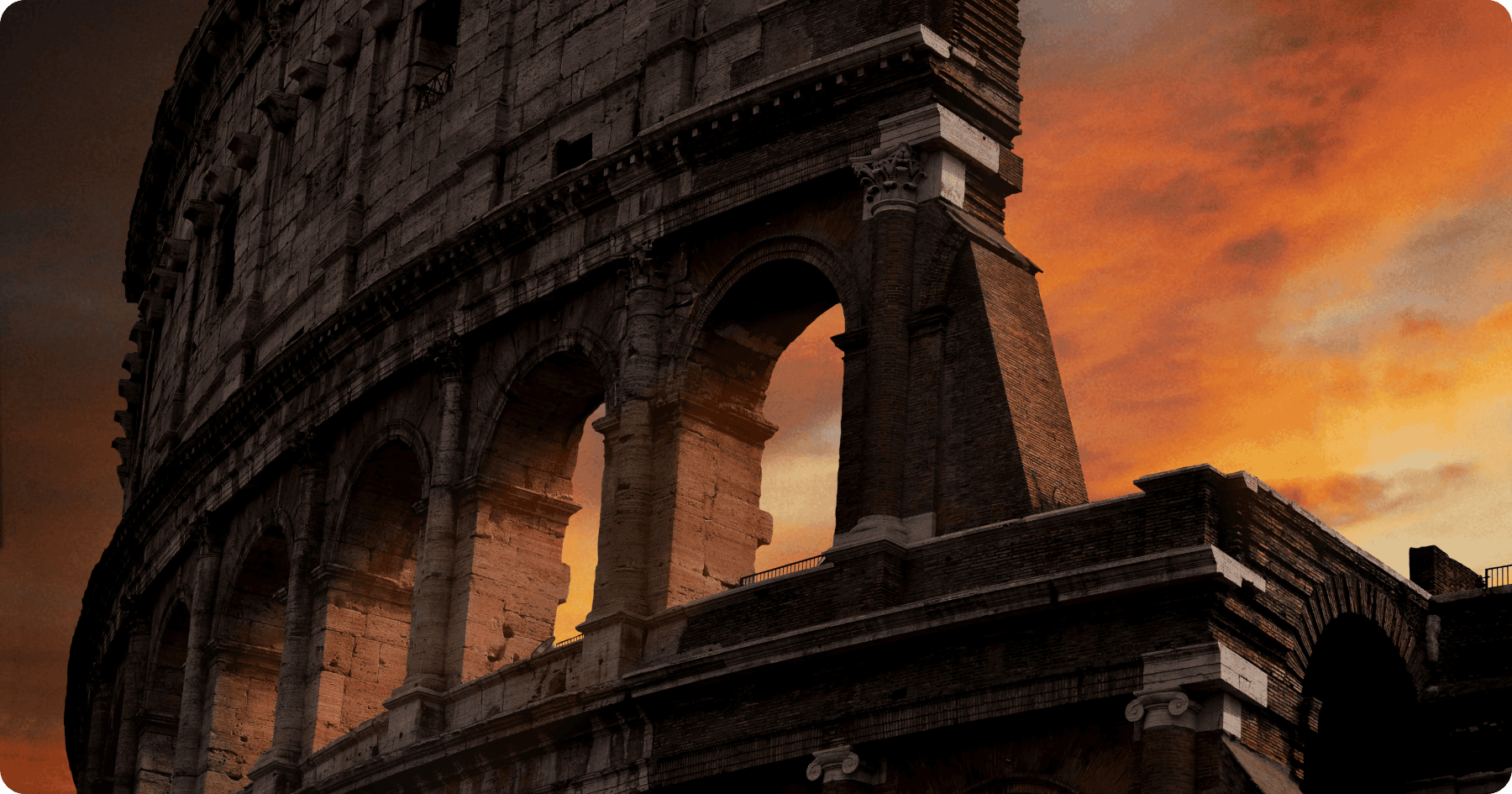
The Colosseum is much bigger than it looks in photos. Walking inside gives a better idea of how the amphitheater was designed and how many people could fit inside it.
Allow around two hours for the Colosseum and the surrounding archaeological area. A guided visit can be useful here because there is a lot of history that isn't obvious just by looking at the ruins.
The Roman Forum sits right next to the Colosseum, so it's easy to visit both on the same morning.
This was once the center of political, religious, and commercial life in ancient Rome. Today, the site is a large archaeological area with temples, arches, roads, and other ruins.
Take some time here rather than rushing through it. The Forum can look confusing without context, and a guide can help explain what the different buildings were used for.
Palatine Hill is also included with many Colosseum tickets. The hill has more ruins and some good views over the surrounding area.
After several hours around the ruins, head toward Monti for lunch.
Monti is close to the Colosseum but feels much more residential. There are plenty of small restaurants, cafés, and wine bars around the neighborhood.
This is a good place to take a proper lunch break instead of trying to fit another major attraction into the afternoon.
After lunch, walk toward Piazza Venezia.
The huge white monument in the square is the Altare della Patria, also known as the Victor Emmanuel II Monument. It is hard to miss.
The square is also a useful starting point for exploring other parts of central Rome. The streets around here lead toward several major attractions, so there is no need to plan a complicated route.
Continue toward the Trevi Fountain in the late afternoon or evening.
The fountain is one of the busiest places in Rome, so don't expect a quiet visit. Still, seeing it after sunset gives the area a completely different feel.
The usual tradition involves throwing a coin into the fountain with the right hand over the left shoulder. If that isn't your thing, simply taking a few minutes to look around is enough.
Afterward, find a nearby restaurant and have a relaxed dinner. There is no need to keep sightseeing until late at night.
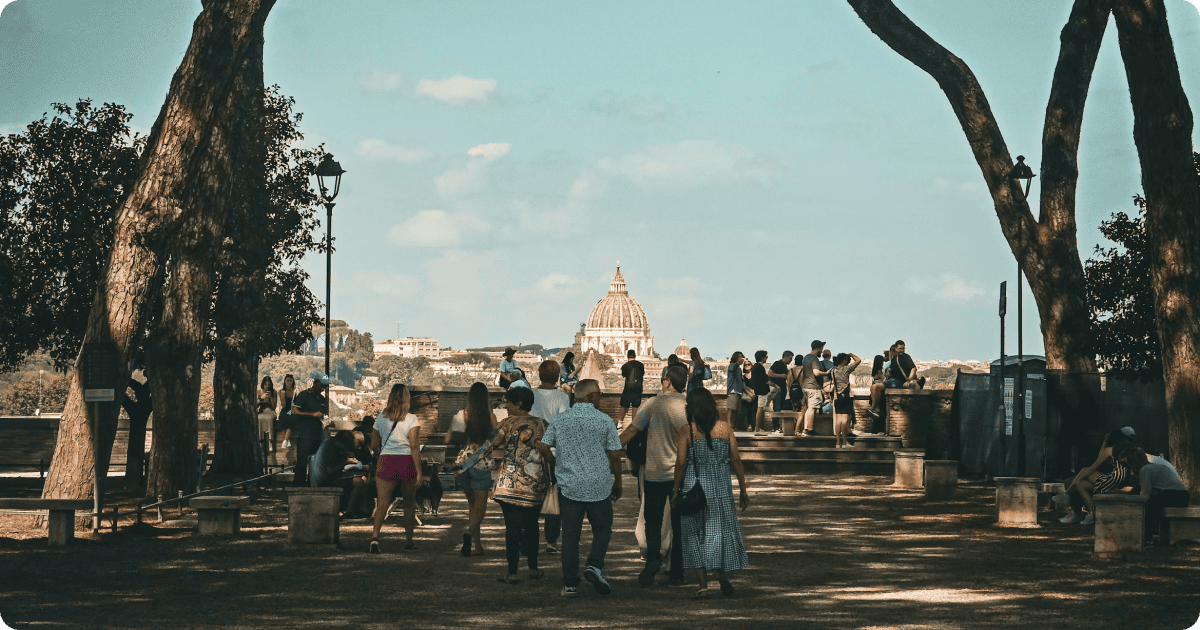
Day two focuses on Vatican City and some of the best-known sights in central Rome.
Start early at the Vatican Museums.
The museums contain one of the world's largest collections of art, and there is a lot to see. The Sistine Chapel is the biggest draw for many visitors, but it is only one part of the museum complex.
Book tickets ahead of time if possible. Waiting in line can take up a large part of the day, especially during peak travel periods.
A guided tour can also make the visit easier to understand. Without some context, it is easy to spend hours looking at paintings and sculptures without knowing what makes them important.
After the Vatican Museums, continue to St. Peter's Basilica.
The basilica is free to enter, although visitors still need to pass through security. Dress appropriately because this is a religious site.
The interior is enormous and filled with artwork, sculptures, and architectural details. The dome is another major highlight. Visitors who want to climb it should allow additional time and check opening arrangements before visiting.
The Prati neighborhood is just outside Vatican City and has plenty of places to eat.
This is a good area for a break because the streets are less focused on major attractions than the area directly around St. Peter's Square.
Try some classic Roman dishes if they are on the menu. Carbonara, cacio e pepe, amatriciana, and supplì are all worth trying during a first visit.
After lunch, make your way back toward central Rome.
Piazza Navona is one of the city's most famous squares. The large open space is surrounded by historic buildings and restaurants, with Bernini's Fountain of the Four Rivers in the center.
The square doesn't require a long visit, but it is a good place to sit for a while and watch the city around you.
The Pantheon is only a short walk away.
The building is almost two thousand years old and remains one of the best-preserved ancient structures in Rome. The enormous dome is the main feature, with an opening at the top known as the oculus.
The visit itself doesn't take very long, so it fits easily into an afternoon itinerary.
Head toward Campo de' Fiori in the evening.
The square is known for its market during the day and its restaurants and bars later on. It's also close to several streets filled with places to eat.
This is a good point to stop following the itinerary. Rome is best enjoyed with some flexibility, especially after a full day of museums and historic sites.

The third day can be a little less structured. By now, the biggest attractions are covered, so there is more room to explore neighborhoods, try local food, and visit a few smaller sights.
Begin the day in Trastevere.
The neighborhood is known for its narrow streets, old buildings, restaurants, cafés, and local churches. It is a popular area, but it still feels different from the major tourist sites around the Colosseum and Vatican.
Santa Maria in Trastevere is worth visiting. The church is one of the oldest in Rome and has impressive mosaics inside.
Take your time around the neighborhood and stop for coffee or breakfast before continuing.
After Trastevere, head toward Aventine Hill.
This is one of the quieter areas in central Rome and offers good views over the city. The Orange Garden is a popular stop, especially in the morning.
Another well-known spot is the keyhole at the Priory of the Knights of Malta. Looking through it gives a framed view of St. Peter's Basilica.
The visit is quick, but it is a fun addition to a Rome itinerary.
Continue toward Testaccio for lunch.
Testaccio is strongly connected to Roman food culture and is a good place to try traditional dishes away from some of the busiest tourist areas.
The neighborhood is also home to Mercato Testaccio, where food stalls sell fresh products, prepared meals, and snacks. Check opening days before visiting because market schedules can change.
The final afternoon is a good time to revisit a place that deserves more time or simply explore an area that caught your attention.
Rome has plenty of smaller museums, churches, markets, and archaeological sites that don't fit neatly into a standard three-day itinerary.
Another option is visiting the Baths of Caracalla. The huge ancient complex is less crowded than the Colosseum and gives a different perspective on Roman life.
For art lovers, the Borghese Gallery is another excellent choice. Advance reservations are normally required, so this works best when planned ahead.
Keep the final evening simple.
Find a restaurant in the neighborhood you're staying in rather than crossing the city for one specific place. Roman cuisine doesn't need to be complicated to be memorable.
A plate of pasta, some local wine, and a relaxed dinner can be a better ending than trying to squeeze another attraction into the schedule.
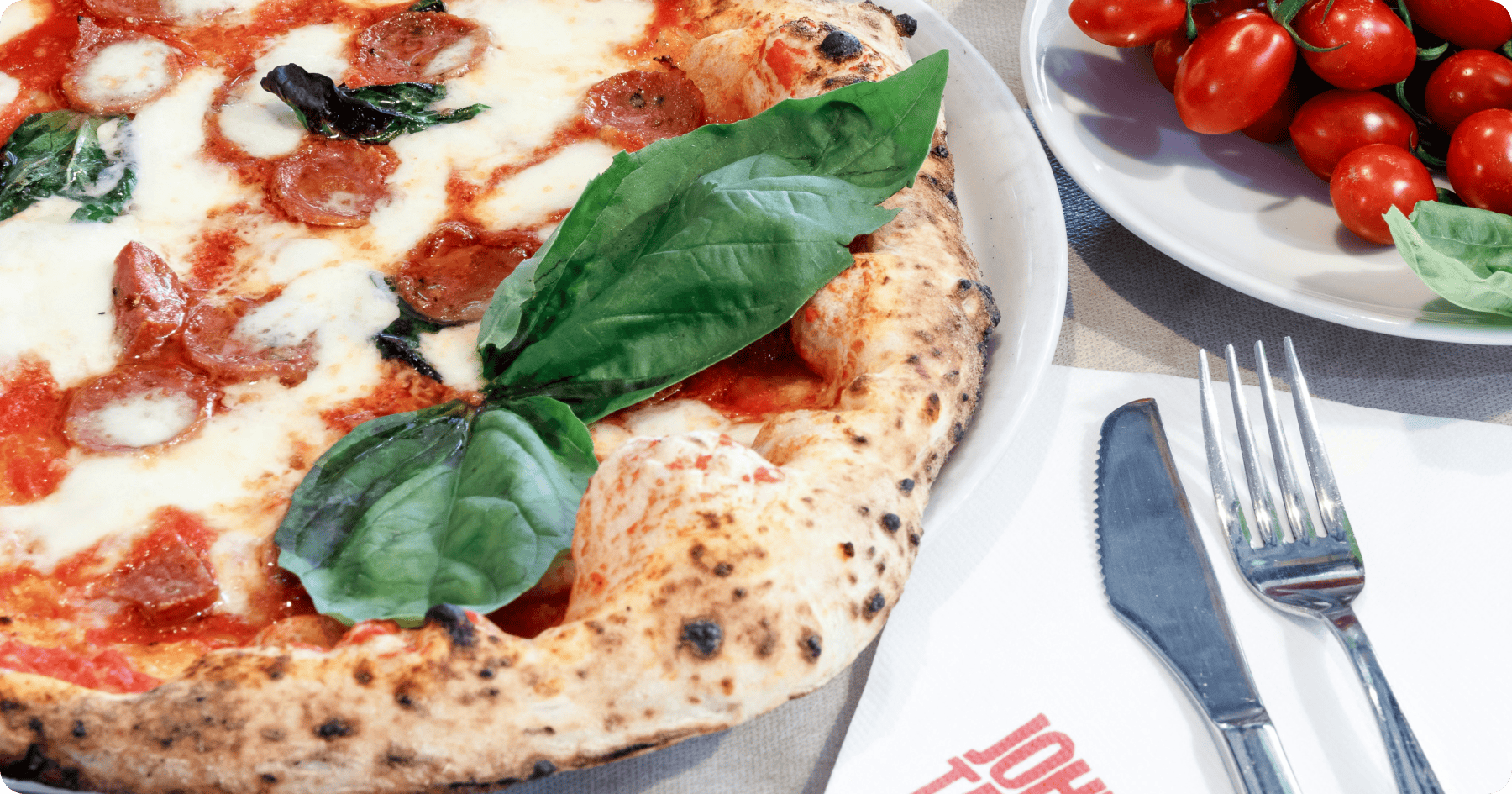
Food deserves a place in any Rome itinerary.
Start with the classic pasta dishes. Carbonara is made with eggs, pecorino Romano, guanciale, and black pepper. Cacio e pepe is even simpler, using pecorino and black pepper. Amatriciana adds tomato and guanciale.
Supplì is another easy thing to try. These fried rice croquettes are usually filled with tomato sauce and mozzarella.
Pizza al taglio is useful for a quick lunch. It is sold by weight, so travelers can choose a small piece instead of ordering an entire pizza.
Don't forget gelato. Look for places that make their own gelato and avoid shops where the flavors are piled into huge, brightly colored mountains. Good gelato is usually stored in covered containers or kept relatively flat.
Rome's historic center is best explored on foot, but the city is large enough that public transportation becomes useful.
The metro is the fastest option for several major areas, including the Colosseum and Vatican area. Buses cover many routes that the metro doesn't reach.
Taxis are also available, although traffic can make short journeys take longer than expected.
Walking remains one of the best ways to experience central Rome. Just wear comfortable shoes. Cobblestone streets can be hard on your feet after several hours.
Using a navigation app is helpful, but don't plan every turn. Some of the best parts of a Rome trip happen between the major attractions.

The best neighborhood depends on the type of trip.
Centro Storico works well for first-time visitors who want to stay close to major attractions. You'll be within walking distance of places like the Pantheon, Piazza Navona, and Trevi Fountain.
Monti is a good choice for travelers who want easy access to the Colosseum and a neighborhood with plenty of restaurants.
Trastevere works well for visitors who care about restaurants, nightlife, and a more local neighborhood atmosphere.
Prati is convenient for the Vatican and generally feels quieter than the busiest parts of the historic center.
A few small details can make three days in Rome much easier.
Book major attractions in advance, especially the Colosseum and Vatican Museums. Popular time slots can sell out during busy periods.
Start early when visiting the biggest attractions. Crowds tend to increase as the day goes on.
Carry a reusable water bottle. Rome has public drinking fountains known as nasoni, where visitors can refill their bottles with fresh water.
Keep an eye on belongings in crowded areas and on public transportation. Tourist-heavy places can attract pickpockets.
Also, don't schedule every minute. Rome has enough attractions to fill a much longer trip, so trying to see everything in three days will only make the itinerary exhausting.

Three days in Rome is enough to see the city's biggest attractions, eat plenty of great food, and get a feel for its different neighborhoods. The best itinerary leaves some room for slower moments instead of treating every hour like a checklist.
Local guides can make those three days even more useful. A guide can explain the history behind the Colosseum and Roman Forum, recommend places to eat, and help travelers discover parts of Rome that are easy to miss when planning everything through maps and search results.
Download FindGuide to connect with private guides around the world and find local travel tips for their destination. A private guide can also tailor the experience around a traveler's interests, schedule, and pace.
For a first trip to Rome, the main goal isn't to see every attraction. It's to leave with a good sense of the city and enough memories to make the next visit worth planning.




Scan the code to download the App