



Tourists
Learn about common tourist scams around the world, where they happen, how they work, and simple ways to avoid losing money or getting into stressful situations abroad.


Most tourists are careful with their money when traveling, but scams can still catch people off guard. They often work because the situation feels normal at first. Someone offers help, starts a friendly conversation, or gives a useful-looking service, and only later does something feel wrong.
The good news is that most tourist scams are pretty predictable once you know what to watch for. The details change from one country to another, but the basic idea is often the same: create confusion, pressure someone into making a quick decision, or charge far more than expected.
This guide covers common scams travelers may come across in popular destinations around the world, plus a few simple habits that make them much easier to avoid.
The bracelet scam is one of the better-known tricks around tourist areas in Paris, especially near popular landmarks.
A person may approach a traveler and start tying a bracelet around their wrist. Once it's on, they ask for payment and can become quite persistent about it.
The easiest way to deal with this is to avoid stopping in the first place. Don't let strangers place anything on you, even if they seem friendly and say it's free.
Paris also has other common tourist problems, including fake petitions and people asking for money while claiming to represent a charity.
In busy areas of Rome, travelers may be approached by someone offering a rose or another small gift. After handing it over, the person asks for money. It can feel awkward to give the item back, which is part of why the trick works.
A simple rule helps here: don't accept unsolicited gifts from strangers. The same applies to photos, bracelets, flowers, and other items offered around major tourist attractions.
Crowded areas also make it easier for someone to pickpocket while a traveler is distracted, so keeping bags closed and phones secure is worth the extra effort.
Beware of pickpockets, particularly in busy tourist areas and on public transportation. The basic trick is often less dramatic than people expect. One person creates a distraction while another takes a wallet, phone, or bag.
Common distractions can involve someone asking for directions, dropping something nearby, bumping into a traveler, or making a scene.
Keep valuables in a zipped bag and avoid keeping a phone or wallet in an easy-to-reach back pocket. Extra caution is useful on crowded trains and at busy attractions.
One common scam in Bangkok involves being told that a major attraction is closed for the day.
The person may then offer to take travelers somewhere else, often in a tuk-tuk or taxi. The alternate stops can include shops, jewelry stores, or places where the driver receives a commission.
Sometimes the attraction really is closed, but it's still worth checking before accepting the offer.
Official websites, ticket offices, hotel staff, and other reliable sources are better places to confirm opening hours.
Some scams start with a simple conversation. A stranger may approach a traveler, chat for a while, and then suggest a nearby bar or restaurant. Once there, the traveler can end up with an unexpectedly large bill.
Not every person who starts a conversation is trying to scam someone. The problem is when the interaction quickly turns into a strong recommendation for a specific business.
Being polite doesn't require accepting an invitation from someone you just met. It's perfectly fine to say no and continue walking.
Transportation scams can happen in many parts of the world, and Mexico is no exception. A traveler may get into a taxi without agreeing on the price and then face a much higher fare at the end. In some places, there can also be confusion over whether a price was quoted in pesos or another currency.
Using official taxi services, licensed transportation, or ride-hailing apps where available can reduce the risk. It's also useful to check the usual fare before leaving the airport, hotel, or station.
In busy tourist areas of Marrakech, travelers may be approached by people offering directions or claiming that a road or attraction is closed. The person may then offer to guide the traveler somewhere else and ask for money afterward.
Some unofficial guides may genuinely want to help, but travelers should be careful when someone insists on taking control of the route.
For directions, maps, hotel staff, official information points, or a booked guide are safer choices.
Some visitors to New York get caught by unexpected charges involving costumed characters or people offering photos in busy tourist areas. A photo may seem casual at first, but the person can expect payment afterward. The amount isn't always clear in advance.
The simplest approach is to agree on a price before taking a photo. Better yet, use your own camera and avoid unexpected services offered in crowded areas. Similar situations can happen with unofficial performers and street vendors in many cities, not just New York.
Transportation is an area where visitors should pay attention. An unofficial taxi driver may offer a ride at an attractive price and then change the amount later. Another common problem is being told that a hotel, attraction, or station is closed and that a different destination is a better choice.
Pre-booked transportation is generally easier to manage. When using taxis, make sure the service and fare are clear before starting the ride.
It's also useful to keep the address of your hotel saved on your phone in case someone tries to redirect you.
In Egypt, small charges can sometimes appear unexpectedly, especially around tourist attractions.
A person may offer help with photos, directions, carrying something, or another small service and then expect a tip. The amount may not have been discussed beforehand.
Tipping is a normal part of life in many places, so the issue isn't tipping itself. The problem is being pressured to pay for something that was presented as free.
Agreeing on prices before accepting a service can prevent most misunderstandings.
Scams look different, but they often have the same warning signs.
Pressure is a major red flag. A person tells you that you need to decide immediately, pay now, or follow them before it's too late. A legitimate business usually gives you time to think.
Be careful when a service has no clear price. This applies to taxis, tours, photos, transportation, and other services commonly used by tourists. Agree on the price before accepting anything.
A friendly offer should still allow you to say no. If someone keeps following you, touching your belongings, blocking your path, or insisting after you've refused, leave the situation.
Distraction is one of the oldest tricks around. Someone may ask a question while another person gets close to your bag. Keeping your valuables secure becomes even more important when a stranger suddenly demands your attention.
Very cheap tours, expensive products at unbelievable discounts, or promises of special access should be treated carefully. A good deal isn't automatically a scam, but extreme offers deserve a second look.
The best protection usually comes down to a few simple habits.
Keep your valuables secure and avoid carrying all your cash in one place. Use official transportation where possible and check prices before agreeing to a service.
Be careful with unsolicited help, especially when it comes with pressure to buy something, visit a specific business, or hand over money.
Research the basic tourist scams in your destination before leaving home. Even a few minutes of preparation can make a big difference because you'll recognize suspicious situations much faster.
A private guide can also be useful, especially in a destination where the language, transport system, or local customs are unfamiliar. Someone who knows the area can explain what is normal, what to avoid, and how locals usually handle everyday situations.

Tourist scams can make a trip stressful, but they don't need to define the experience. Most scams rely on confusion, distraction, pressure, or unclear prices, which means a little preparation goes a long way.
Learn the common tricks before traveling, keep important belongings secure, and don't feel bad about walking away from an offer that doesn't feel right.
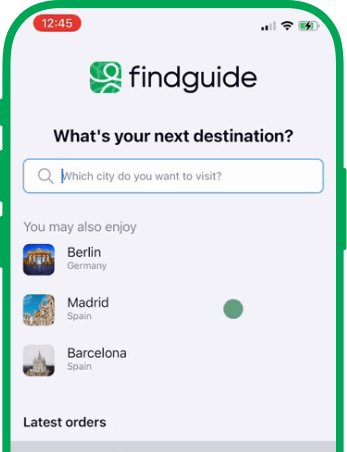
Local guides can also help travelers understand how things work in a destination and avoid common mistakes. FindGuide helps travelers connect with private guides around the world who can share local knowledge and practical travel advice.
Download FindGuide to discover travel tips and connect with private guides who can help you get more out of your trip.






Scan the code to download the App