


Tourists
The 7 cheapest European cities to visit in 2027: real daily budgets, what to do, and when to go to Plovdiv, Brasov, Novi Sad, Ohrid, Kaunas, Wroclaw and Berat.


The rules for this list were simple. No capital cities, nowhere that's been all over Instagram for years, and every place had to have enough going on for at least two or three full days. The daily budgets below assume a hostel bed or a cheap private room shared by two, eating mostly at local places, and using public transport. Prices are based on 2026 figures, so give or take a bit by the time you go.
Here are the 7 cities, roughly ordered by how much you get for your money. A few of them are in the EU, a few aren't, and that actually matters for your budget (more on that at the end).
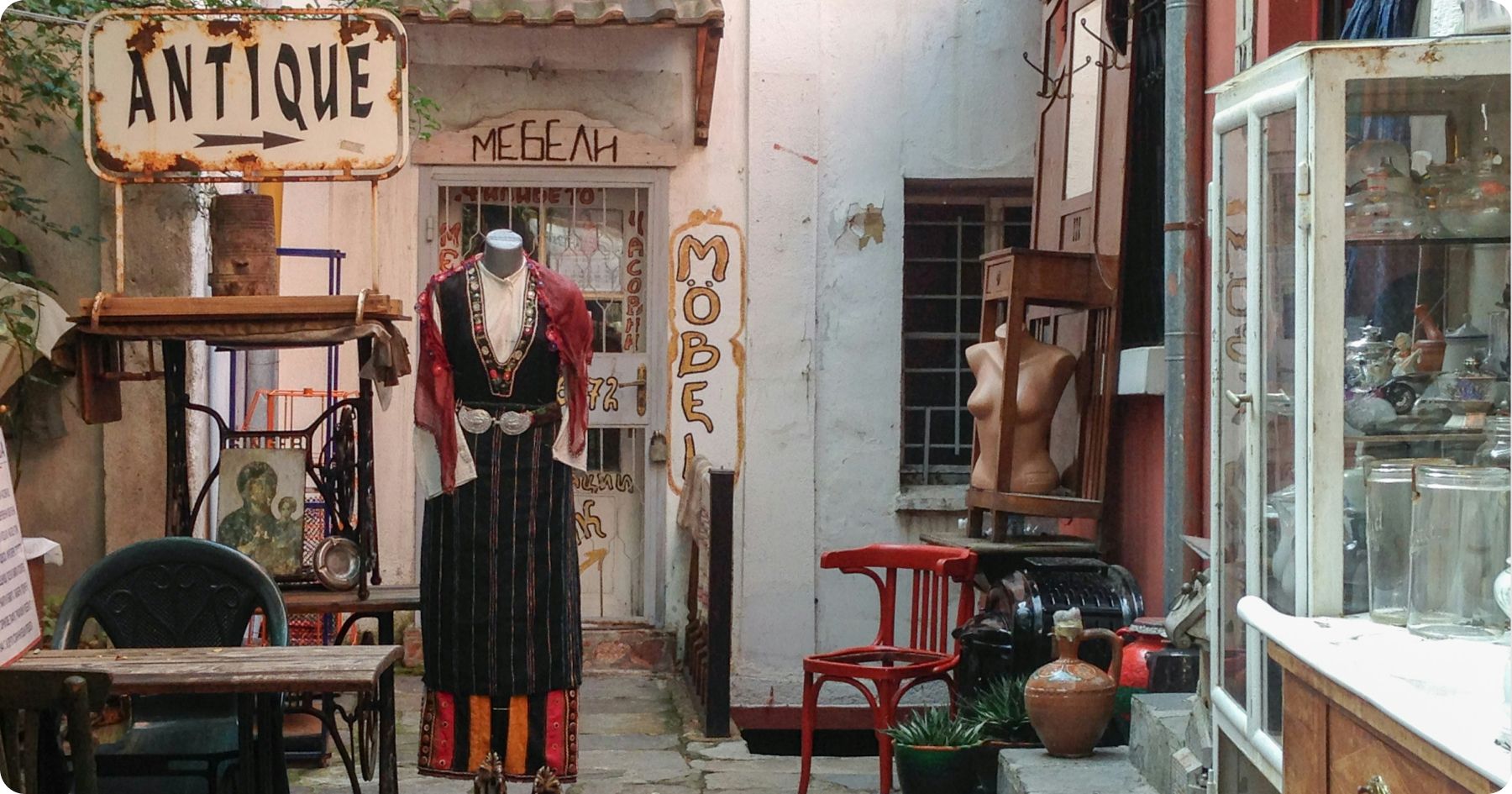
Plovdiv is Bulgaria's second city and honestly one of the best places on this list. It's one of the oldest continuously inhabited cities in Europe, and you feel it everywhere. There's a Roman stadium sitting under the main pedestrian street, a 1st century Roman theater that still hosts concerts in summer, and an Old Town full of colorful 19th century Revival houses on top of a hill. It was a European Capital of Culture in 2019, but it still doesn't get anything close to the crowds Sofia does.
Money-wise, it's a steal. Bulgaria switched to the euro on January 1, 2026, so you don't have to deal with leva anymore, and prices didn't really jump. Budget travelers usually land somewhere around $55 to $65 per person a day with two people sharing a room. Entry to the Roman theater was 5 leva (about €2.50), and most of the Old Town house museums cost the same. If you plan to see a bunch of them, there's a combined ticket for five sites of your choice that works out cheaper.
It's about two hours from Sofia by bus or train, so a lot of people do it as a day trip. Don't. Give it at least two nights, because the best part is the evenings in Kapana.
What to do:
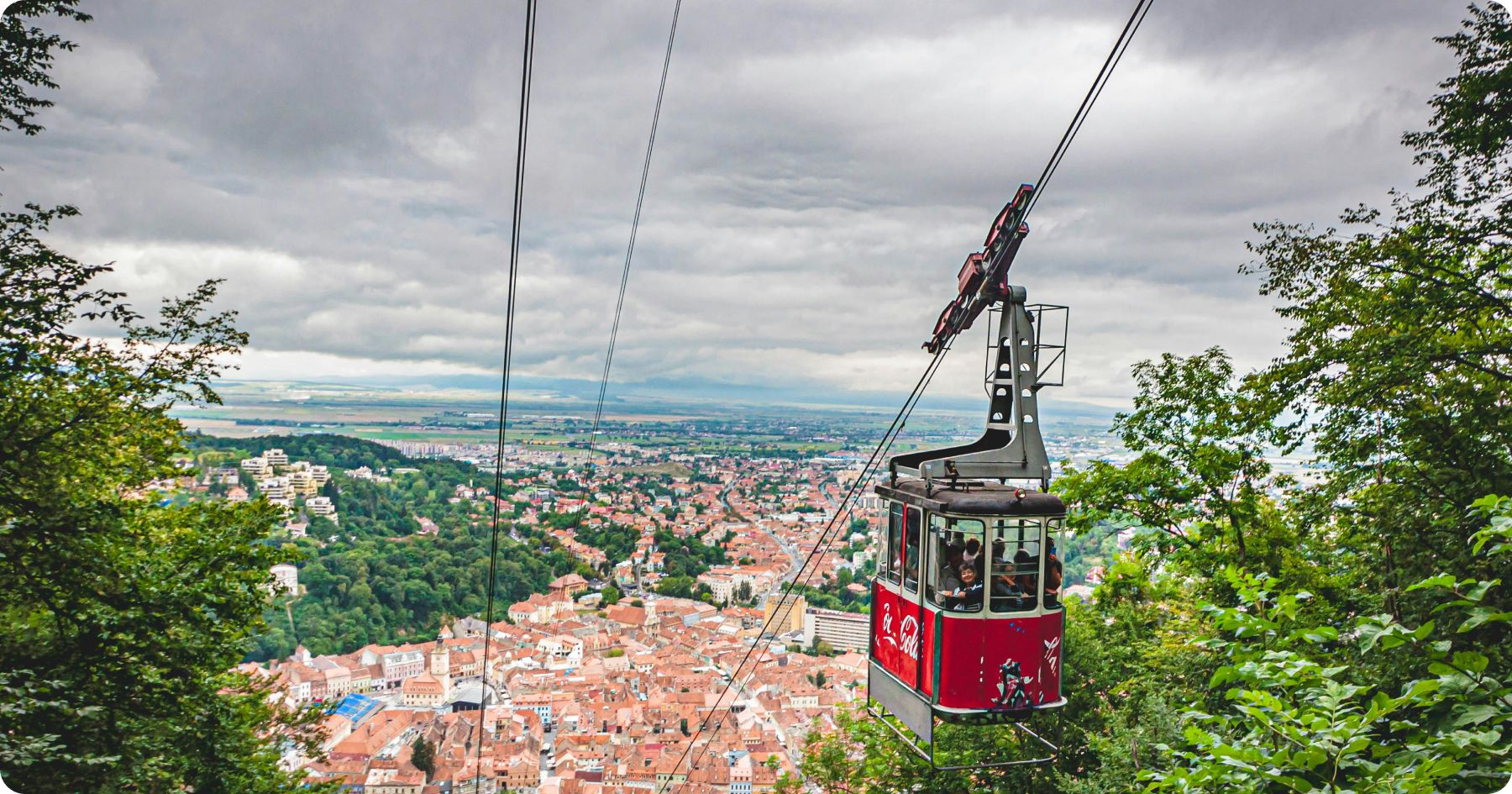
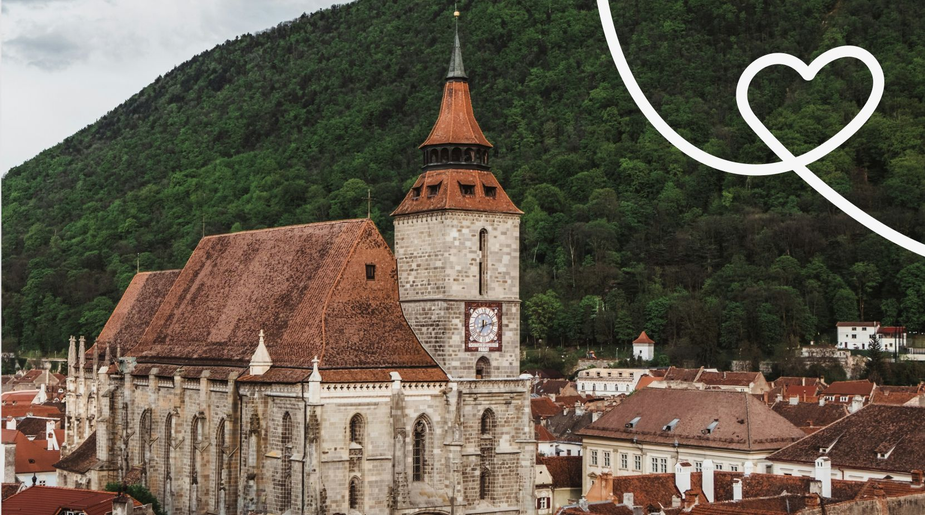
Brasov is a medieval Saxon town in the middle of Transylvania, surrounded by the Carpathian Mountains. The center is Council Square (Piata Sfatului), and right next to it is the Black Church, the largest Gothic church in Romania. It got the name after a huge fire in 1689 left the walls covered in soot. There's also a giant Hollywood-style "BRASOV" sign on Mount Tampa looking down on the whole town, which sounds tacky but somehow works.
The main reason it makes this list is that it's a really cheap base for seeing Transylvania without renting a car. Bran Castle (the "Dracula" castle) is about 45 minutes away by local bus, and Rasnov Fortress is on the same road. Romania joined Schengen fully in 2025 and still uses the leu, and prices for food and transport are noticeably lower than anywhere in Western Europe. The Tampa cable car is around 18 lei (under $5) round trip, and the Black Church entry is a few dollars.
One honest warning: the restaurants right on Council Square charge tourist prices. Walk five minutes in any direction and the same plate of sarmale (cabbage rolls) costs a lot less.
What to do:
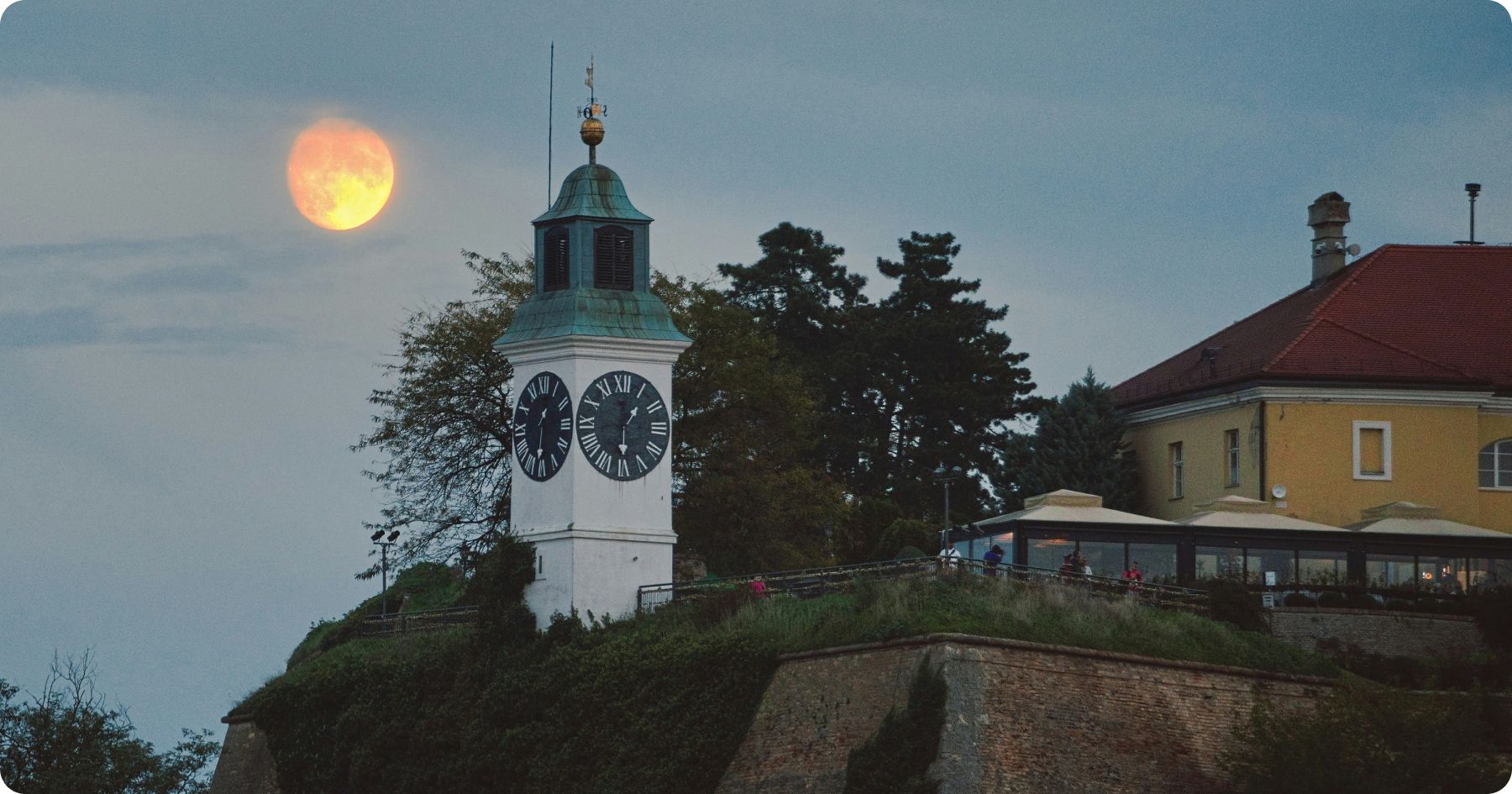
Novi Sad is Serbia's second biggest city, sitting right on the Danube, and it's way more relaxed than Belgrade. The old center is pastel Austro-Hungarian buildings, cafes, and pedestrian streets around Liberty Square. Across the river is Petrovaradin Fortress, a huge 18th century fortress with tunnels underneath and a clock tower where the hands are swapped (the big hand shows the hour so boatmen could read it from far away).
It's also seriously cheap. Budget travelers can get by on roughly $30 to $55 a day each when two people share a room, which puts it near the bottom of anything you'll find in Europe. Serbia isn't in the EU, so you'll be paying in dinars, and keep in mind your EU SIM card won't have free roaming here.
Quick heads up if you've heard of Novi Sad because of EXIT Festival: EXIT left the fortress after 2025 and isn't happening there in 2026. For budget travelers that's actually good news, because July hotel prices used to go crazy that week. Getting there is easy too. The fast train from Belgrade takes about 40 minutes.
What to do:
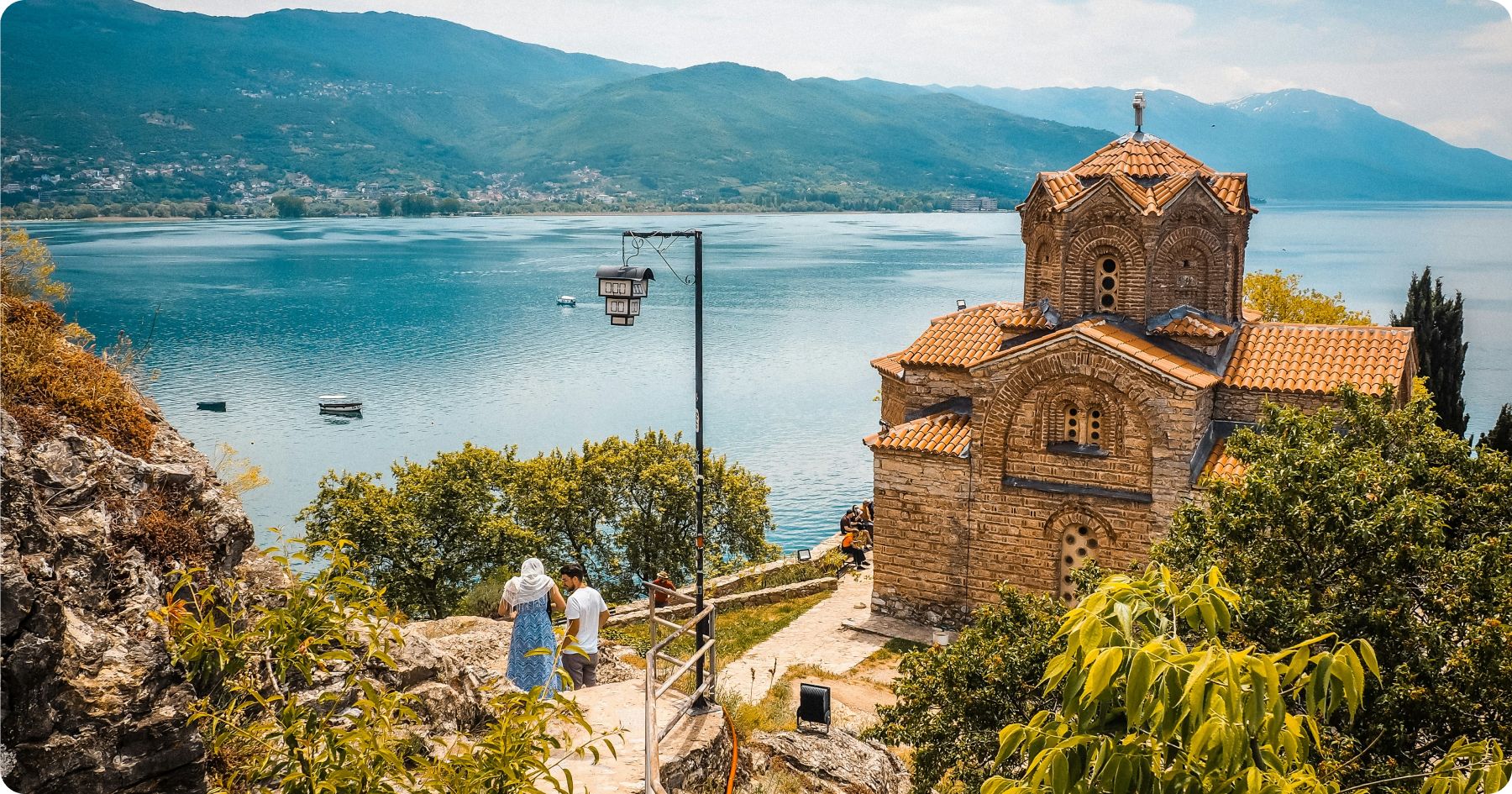
If you want a beach-type trip in Europe without paying Croatia or Greece prices, Ohrid is the answer. It's a small old town on Lake Ohrid, which is one of the oldest lakes in Europe and a UNESCO site for both its nature and its history. The water is super clear, and the old town is packed with medieval Byzantine churches. Locals like to say there used to be 365 of them, one for every day of the year.
It's very budget friendly. Hotel searches regularly show rooms starting around $22 a night, and an average room is around $80, which is still cheap for a lake view in summer. North Macedonia uses the denar and isn't in the EU. Ohrid has its own small airport with seasonal low-cost flights, and buses from Skopje take around three hours.
The one thing to plan around is July and August. That's when half the Balkans comes here on vacation, prices go up, and the waterfront gets loud. June and September are the sweet spot: the water is still warm enough to swim and everything is calmer.
What to do:
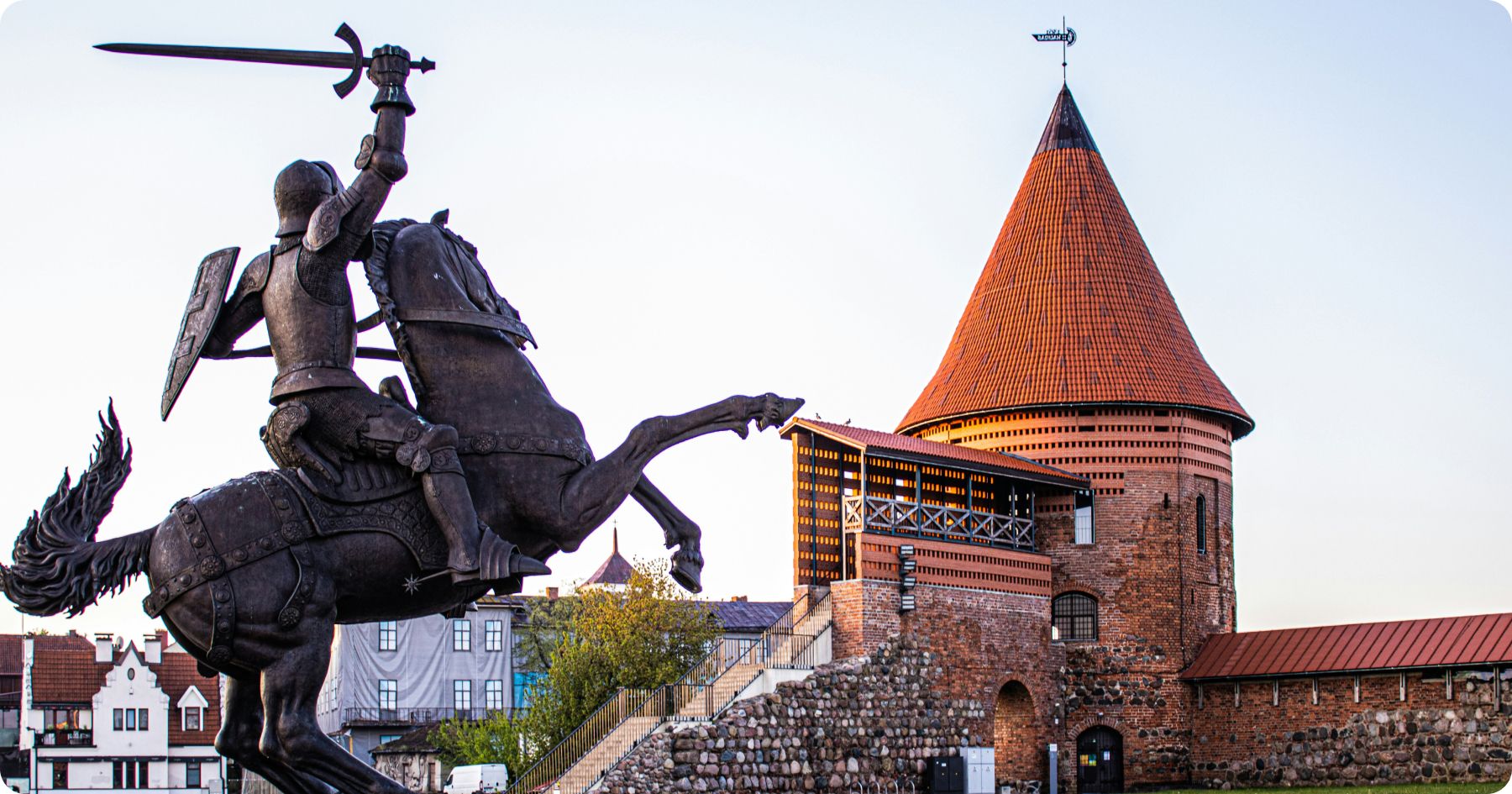
Everyone who goes to Lithuania goes to Vilnius. Kaunas, about an hour and a half away, mostly gets treated as a stopover, which is a mistake. Between the two world wars it was the temporary capital of Lithuania, and the city built a ton of modernist and art deco buildings in that period. In 2023 that whole interwar architecture got added to the UNESCO World Heritage list. It was also a European Capital of Culture in 2022, so a lot of things got fixed up recently.
For budget travelers, the big plus is the airport. Kaunas is a Ryanair base, so flights from around Europe are often cheaper than flying into Vilnius. Lithuania uses the euro, and day-to-day costs (food, beer, buses) are lower than in the capital. The main pedestrian street, Laisves aleja, is lined with cafes and is a good spot to find lunch deals on weekdays.
The Ninth Fort is the heavy one. It was used by the Soviets as a prison and transit point for the Gulag, and later by the Nazis as a site of mass murder, mostly of Kaunas Jews. It's about 25 minutes from the center by bus and worth the trip, but plan something lighter for the rest of that day.
What to do:
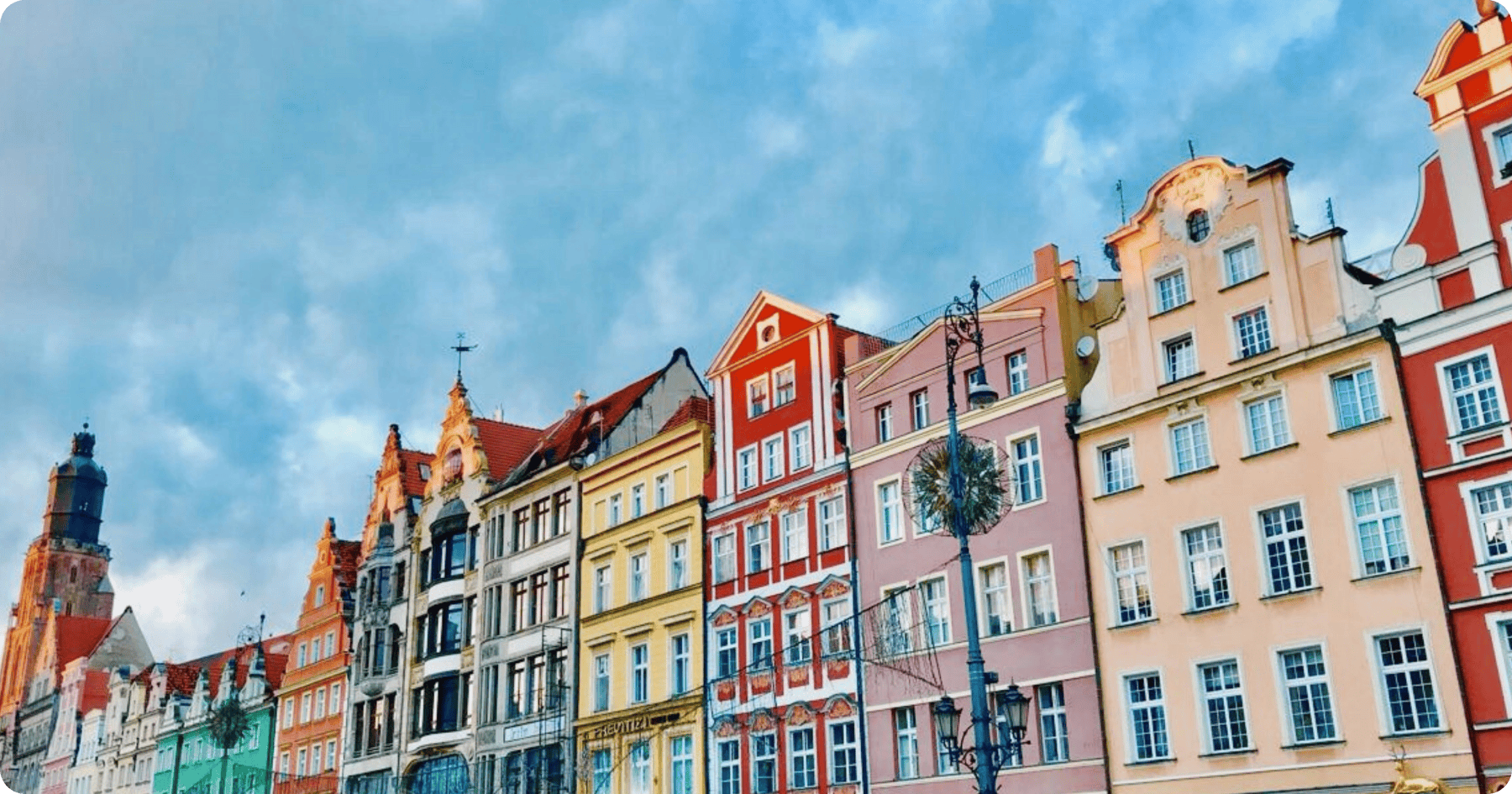
Krakow gets all the attention in Poland, and it's gotten pretty crowded and pricey because of it. Wroclaw is the better pick. The Market Square (Rynek) is one of the largest in Europe, the city is built around a dozen islands on the Oder River, and there are over a hundred bridges. It feels a lot like a smaller, cheaper Amsterdam with Polish food.
The best part is that a lot of the main sights are free. The Rynek, Cathedral Island (Ostrow Tumski), and the famous bronze dwarfs cost nothing. A single tram or bus ticket is 4.60 zloty (a bit over $1), and you can buy it in the Jakdojade app. The bigger paid sights are still cheap: the Panorama of Raclawice is around 50 zloty, and Hydropolis, a water museum inside an 1890s underground reservoir, is around 40 to 50 zloty depending on the day.
Eating out is where Poland really saves you money. Look for a bar mleczny (milk bar), a cheap, cafeteria-style place left over from communist times, where you can get pierogi and soup for a few dollars.
What to do:
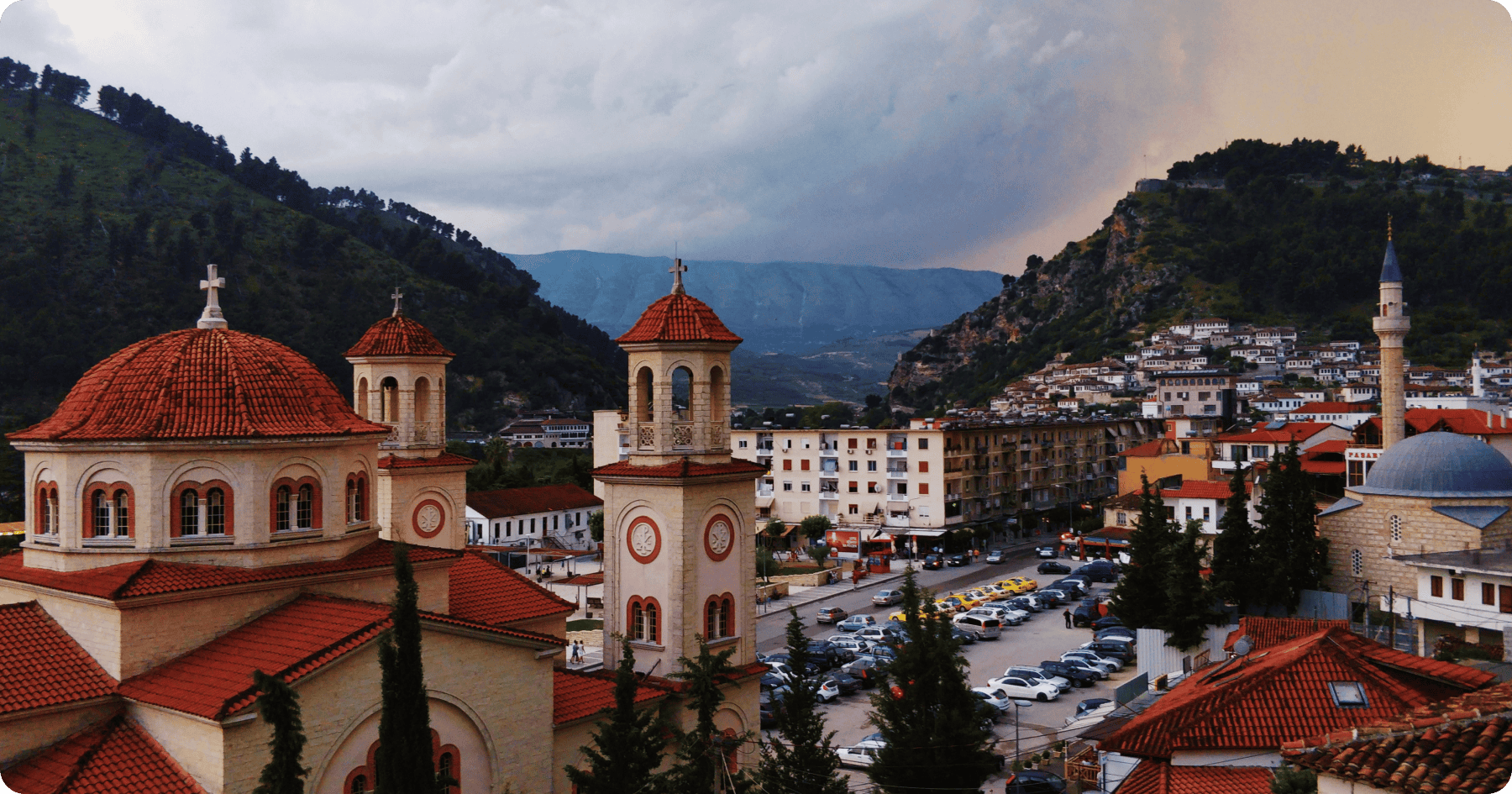
Albania has blown up the last few years, but almost everyone heads straight for the beaches in Ksamil and Saranda. Berat is inland, about two to three hours south of Tirana, and it's one of the two Albanian towns on the UNESCO list (the other is Gjirokaster). People call it the "City of a Thousand Windows" because of the white Ottoman houses stacked up the hillside in the Mangalem quarter, all facing the river.
The cool thing about Berat Castle is that it's not a ruin. People still live inside the walls, there are old Byzantine churches tucked between houses, and some guesthouses are right inside it. Walking in is free or close to it (some travelers report a small fee at the gate during the day). The Onufri Iconographic Museum inside is a few hundred lek, only a few dollars. Budget travelers staying in hostels usually spend around $46 to $67 a day.
Albania uses the lek, it's not in the EU, and a lot of small places only take cash, so hit an ATM before you go up the hill. Food is cheap and really good. Order whatever the guesthouse grandma is cooking.
What to do:
For most of this list, the best value is in May, June, September, and early October. The weather is good, prices haven't hit summer levels yet (or have already dropped), and you're not fighting for a table.
A few city-specific notes worth saving:
Ohrid: June or September. July and August are packed and noticeably more expensive.
Brasov: Late spring and fall are great for hiking. In winter it's snowy and pretty, but the Tampa cable car can stop running during heavy storms.
Kaunas: Go between May and September. Baltic winters are dark, cold, and long.
Wroclaw: Summer is good, but the Christmas market in the Rynek (late November through December) is one of the best in Poland and still cheaper than the German ones.
Plovdiv and Novi Sad: Both get really hot in July and August. Spring and fall are way more comfortable for walking around all day.
Berat: Spring and early fall. Summer inland Albania can hit the high 90s °F.
These are the mistakes people make over and over on budget trips in this part of Europe:
Five different currencies. Bulgaria and Lithuania use the euro. Poland uses the zloty, Romania the leu, Serbia the dinar, North Macedonia the denar, and Albania the lek. Don't bother exchanging cash at home.
Always pay in local currency. When a card machine or ATM asks if you want to be charged in dollars or euros, say no and pick the local currency. The "convenient" conversion is basically a hidden fee. Also skip the standalone Euronet ATMs in tourist areas and use ATMs attached to real banks.
EU roaming doesn't cover the Balkans. Serbia, North Macedonia, and Albania are outside the EU, so an EU SIM can get expensive there fast. A cheap eSIM fixes this.
Use the Schengen math to your advantage. Bulgaria, Romania, Lithuania, and Poland are in Schengen, so days there count toward your 90 days in 180. Serbia, North Macedonia, and Albania are not, which makes them great places to stretch a long trip. Also, the EU's new Entry/Exit System means you'll get fingerprinted and photographed the first time you cross a Schengen border, so expect a slower line.
Group cities by region. Novi Sad is under an hour from Belgrade, Ohrid and Berat work well on one Balkan route, and Plovdiv pairs easily with Sofia. Cheap buses connect most of these, so you don't need a car.
Eat one street away. In every city on this list, the restaurants on the main square cost noticeably more than places a couple of blocks back, and the food is usually better away from the square anyway.

So that's the list. Plovdiv, Brasov, Novi Sad, Ohrid, Kaunas, Wroclaw, and Berat all give you real history, good food, and a few full days of things to do for a lot less than the usual capitals. None of them are secret, but they're still way less crowded and way more affordable than the places every travel list keeps recycling.
The thing that makes cities like these even better is having someone local show you around. A local guide knows which restaurant the residents actually eat at, which viewpoint is worth the climb, and which "must see" you can skip.
If you want that kind of help, download the FindGuide app. It connects you with local guides and travel experts in cities around the world, gives you access to travel content written by local specialists, and lets you build a trip around your own interests and budget. Basically, it helps you find the right local person to show you the place, wherever you're headed next.



Scan the code to download the App