


Tourists
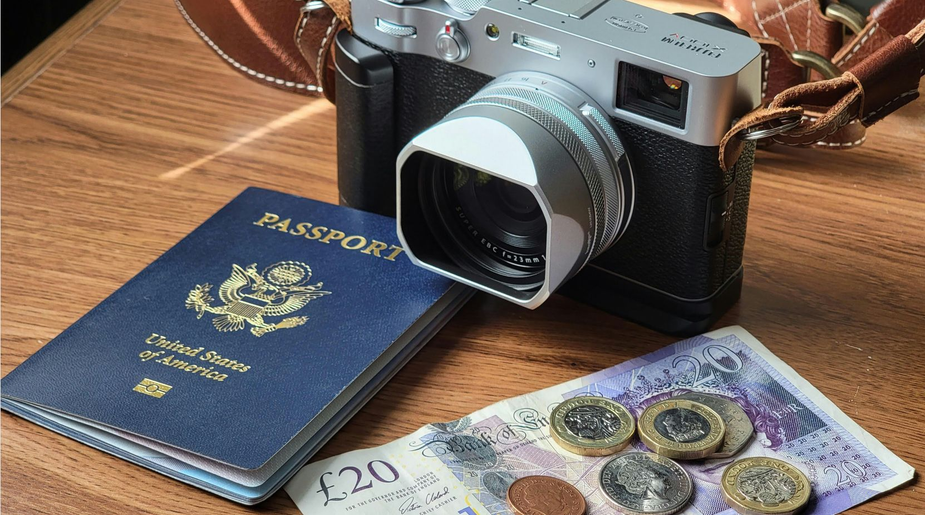
Some countries still rely heavily on cash. Find out where carrying cash is important, when you'll need it, and how to avoid payment problems while traveling.


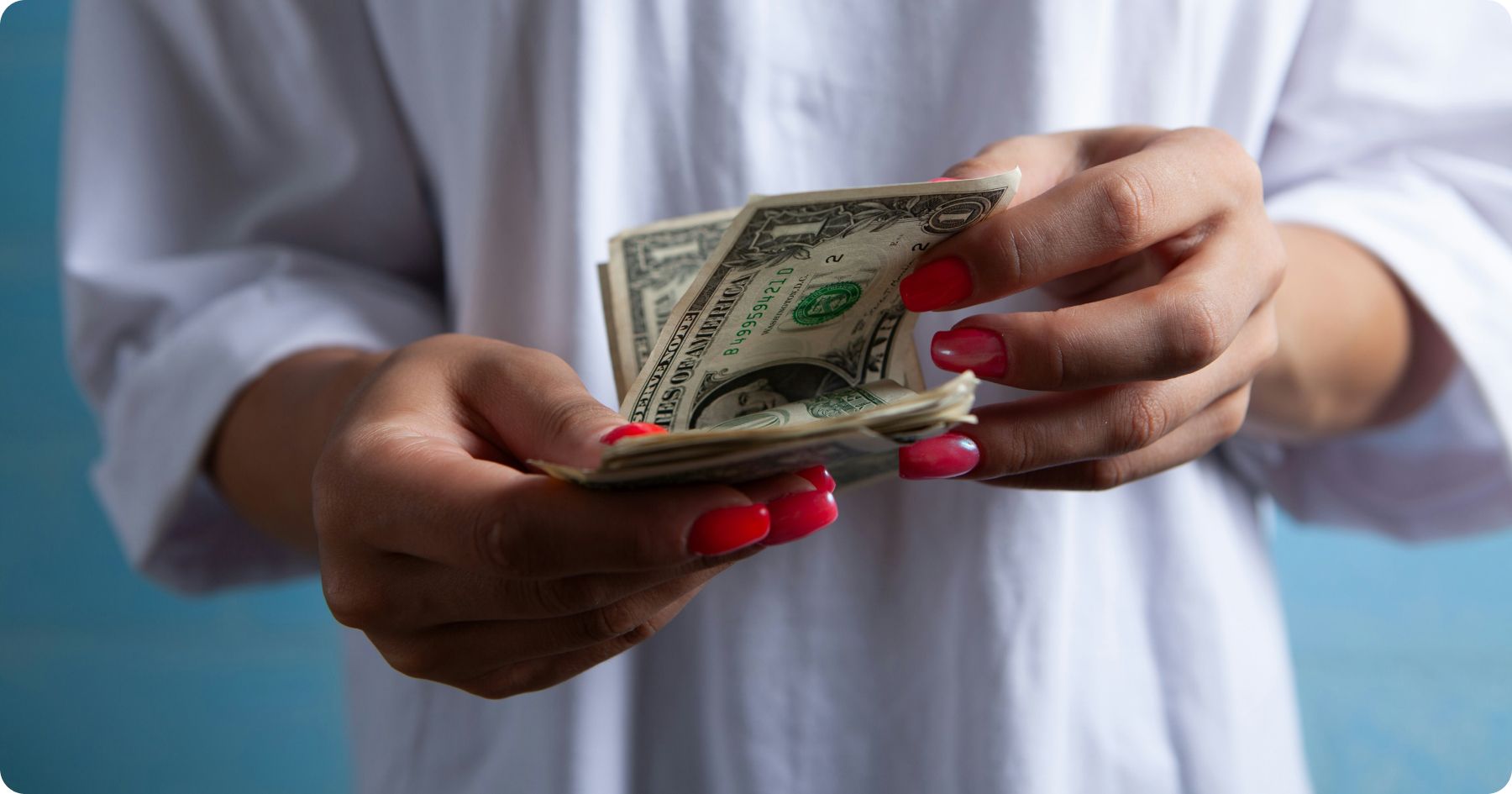
Paying with a phone or credit card has become second nature for many travelers. It's easy to assume the same is true everywhere, but that's not always the case. Plenty of destinations still have places where cash is the easiest, or sometimes the only, way to pay.
That doesn't mean you'll need a wallet full of bills. In most countries on this list, cards are widely accepted in hotels, shopping centers, and larger restaurants. The difference is that cash still plays an important role in everyday travel, especially when visiting local businesses or smaller towns.
Keeping a small amount of local currency on hand can save time, avoid awkward situations, and make day-to-day travel much smoother.
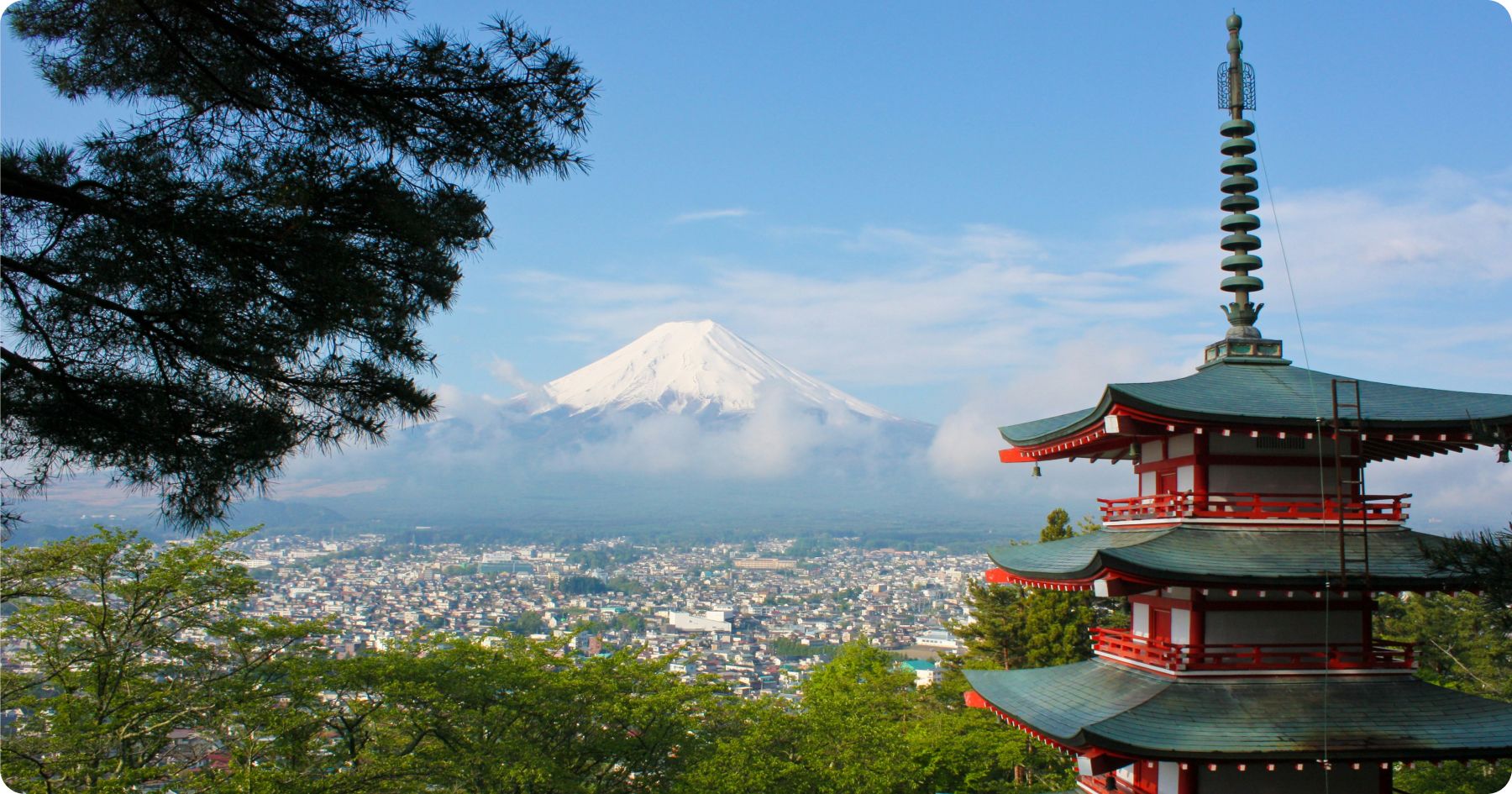
Japan has become much more card-friendly over the past few years, but cash is still part of daily life.
Large hotels, department stores, and major attractions usually accept credit cards without any issues. Smaller restaurants, family-run cafés, temples, local markets, and some rural businesses may still prefer cash. Some vending machines and parking lots also accept cash only.
Convenience stores and ATMs make it easy to withdraw Japanese yen, so carrying enough cash for the day is usually all that's needed.

Germany is one of Europe's strongest examples of a country where cash still matters.
International visitors are often surprised when small cafés, bakeries, neighborhood restaurants, and local shops either prefer cash or don't accept cards at all. Larger businesses usually take cards, but carrying some euros is still a good habit.
Cash is especially useful outside the biggest cities.

Cards are accepted across most of Italy, but cash still comes in handy more often than many travelers expect.
Local markets, small cafés, beach kiosks, independent shops, and some taxis may prefer cash, especially outside major tourist destinations. Cash is also useful for small purchases that don't justify pulling out a credit card.
Keeping a few euros in your wallet helps avoid unnecessary trips to the ATM.
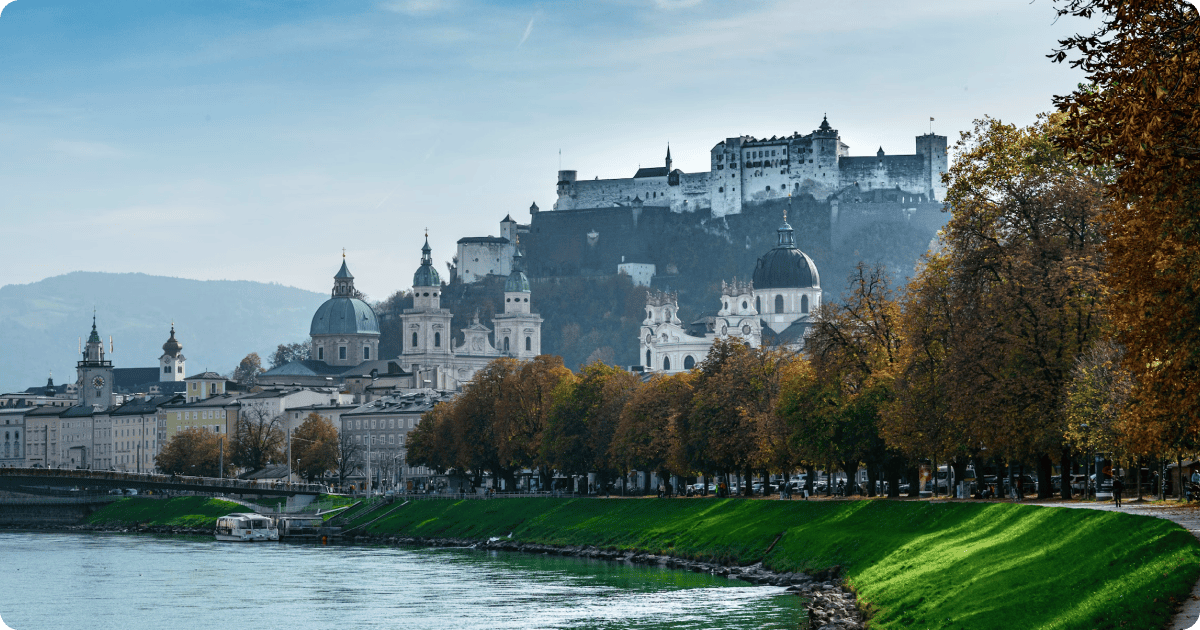
Austria has modern banking services, but cash remains common in everyday life.
Many restaurants, mountain huts, bakeries, and smaller businesses still appreciate cash payments. Visitors spending time outside Vienna often notice this even more.
It's a good idea to carry enough cash for meals, transportation, and small purchases.

Vietnam is one of those places where cash makes traveling much easier.
Hotels and larger restaurants often accept cards, but local food stalls, markets, convenience stores, and many attractions work primarily with cash.
ATMs are easy to find in cities, making it simple to withdraw Vietnamese dong whenever needed.
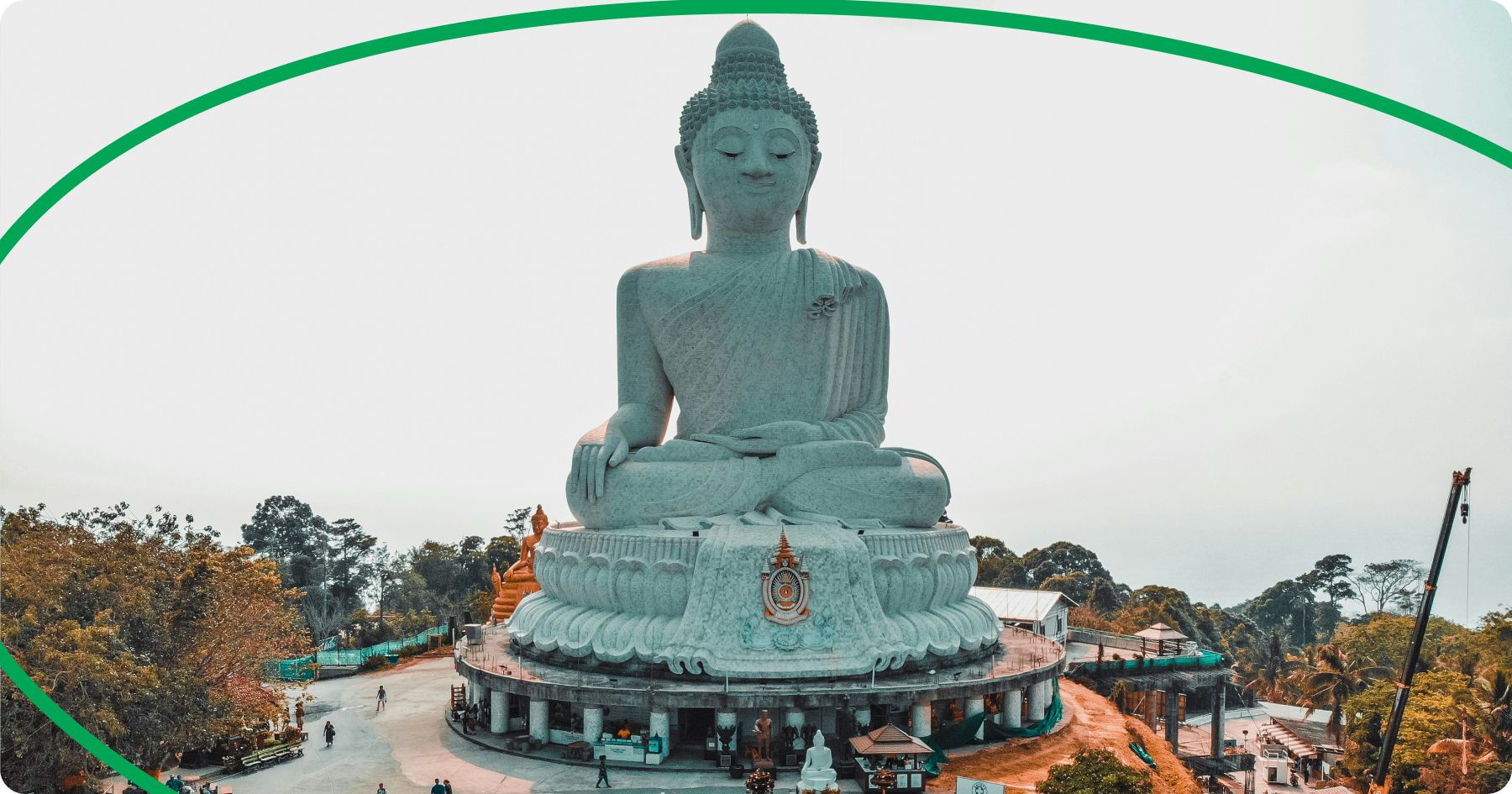
Thailand has made big progress with digital payments, but cash is still the most practical option in many situations.
Street food vendors, night markets, long-tail boats, massage shops, local transportation, and smaller businesses often expect cash.
Visitors who only carry cards usually end up searching for an ATM sooner than expected.

Cash is part of everyday life across much of Morocco.
Local markets, taxis, small restaurants, and many independent shops usually work with cash. Even in larger cities, having local currency makes shopping and getting around much easier.
Many travelers withdraw cash after arriving instead of relying entirely on cards.
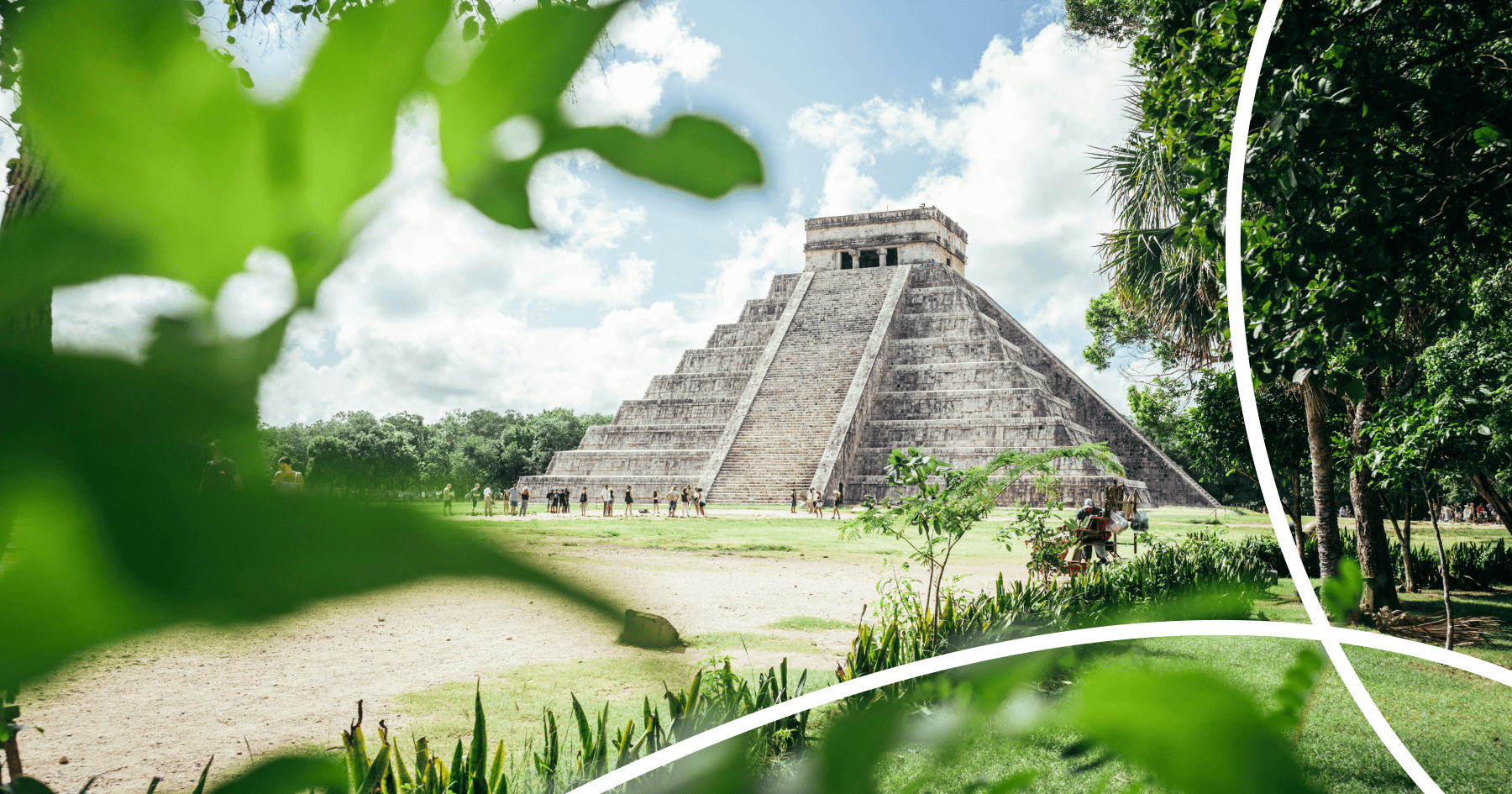
Credit cards are widely accepted in hotels, shopping centers, and many restaurants, especially in popular tourist destinations.
Cash is still useful for street food, markets, local buses, taxis, and small family-owned businesses. Travelers heading beyond major resort areas will find even more situations where cash is the preferred payment method.
Carrying smaller bills is especially helpful.

Indonesia has rapidly expanded digital payments, but cash remains important, particularly outside larger cities.
In Bali, many hotels, restaurants, and cafés accept cards. Local markets, beach vendors, temples, parking areas, and smaller businesses often prefer cash.
The same applies across many other islands, where cash is still the easiest payment option.
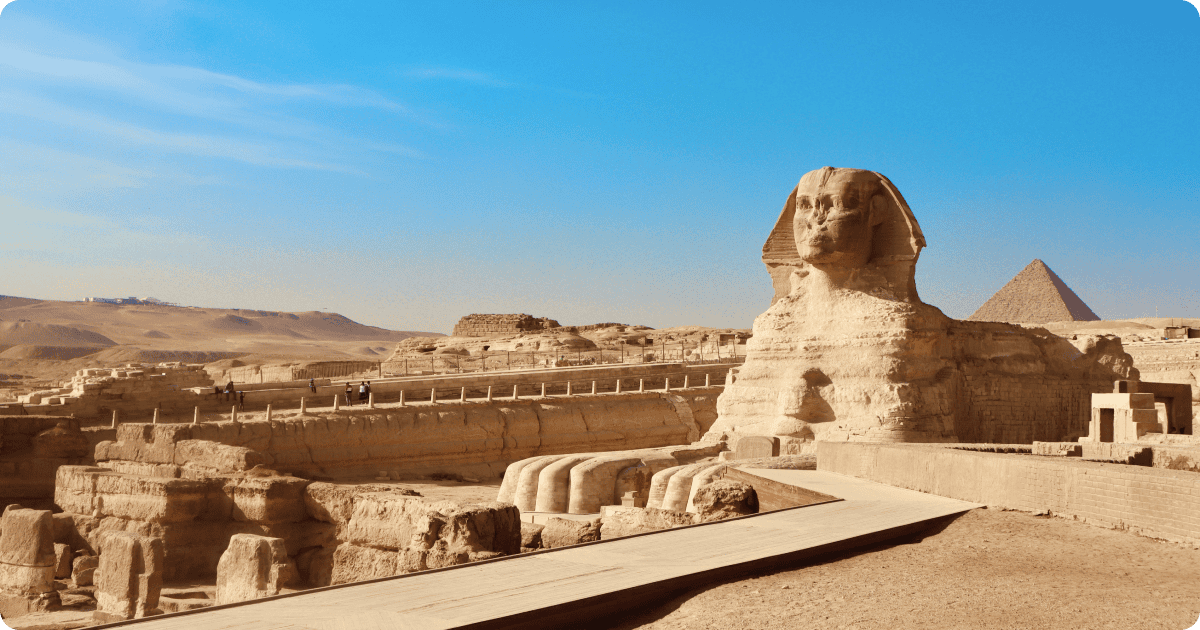
Cash is difficult to avoid while traveling in Egypt.
It's commonly used for local transportation, markets, tips, entrance fees at some attractions, and small restaurants.
Many larger hotels and businesses accept cards, but carrying Egyptian pounds makes everyday travel much more convenient.

Carrying cash doesn't mean carrying large amounts.
A few simple habits can help make traveling easier:
Withdraw cash from bank ATMs instead of exchange kiosks when possible.
Keep most of your cash in a secure place and carry only what you'll need for the day.
Carry small bills for taxis, markets, and street food.
Let your bank know about your travel plans before leaving.
Always have at least one backup payment method.
Checking payment habits before arriving in a new country can also help avoid surprises. Some destinations have quickly adopted contactless payments, while others still rely heavily on cash for everyday purchases.

Local guides are often the best source of practical advice, including where cards are accepted, where cash is expected, and how locals usually pay for transportation, food, and attractions.
FindGuide helps travelers connect with local guides, discover travel tips written by people who know each destination, and plan more enjoyable trips.
Download FindGuide and start planning your next adventure with local tips, personalized experiences, and guides who know their city best!



Scan the code to download the App