
Experience Vienna’s main attractions and hidden treasures with a personal guide. From Hofburg Palace, MuseumsQuartier, Schönbrunn Palace to local gems off the beaten path, enjoy a custom Vienna tour full of history and culture
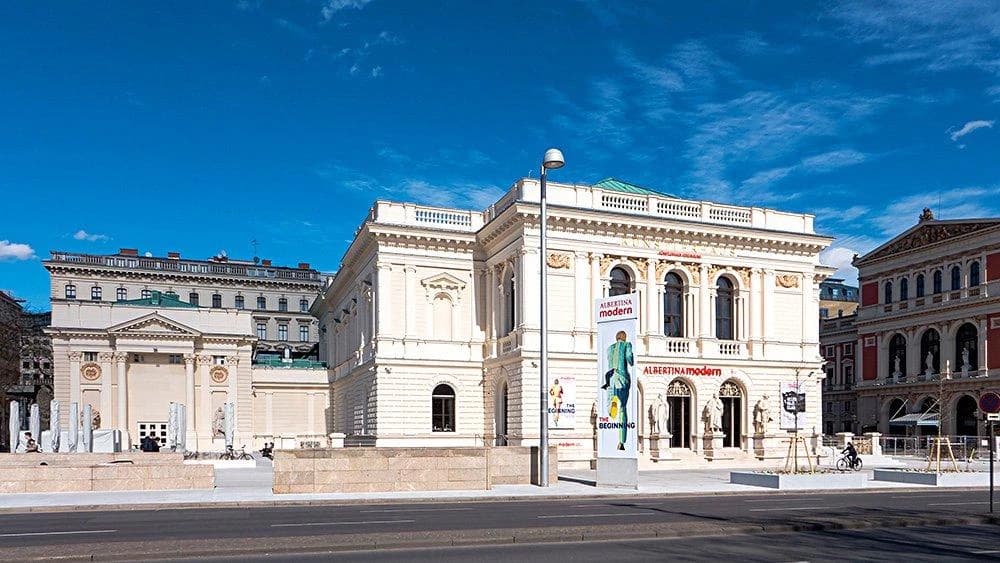
Albertina Modern is Austria’s new art museum for world-class modern and contemporary art. It trains its gaze on international artistic output and on the diversity of post-1945 contemporary art from Austria in equal measure. With its collection of over 60,000 works by 5,000 artists, Albertina Modern numbers among the world’s largest museums of modern and contemporary art. The in-house collection alone includes the creative output of such renowned Austrians as Arnulf Rainer or Maria Lassnig, but also art by leading international artists, including Anselm Kiefer, Damien Hirst, Andy Warhol, Cindy Sherman, and many more. And on its over 2,000 square meters, the museum presents wide-ranging exhibitions that start from its own holdings of modern and contemporary art—most prominently among them masterpieces from the Essl Collection, which has been held by the Albertina since 2017. Albertina Modern makes its home in the Künstlerhaus on Karlsplatz—an exhibition building constructed in 1865 that was restored, modernized, and enlarged between 2017 and 2020 thanks to the patronage of Hans Peter Haselsteiner.
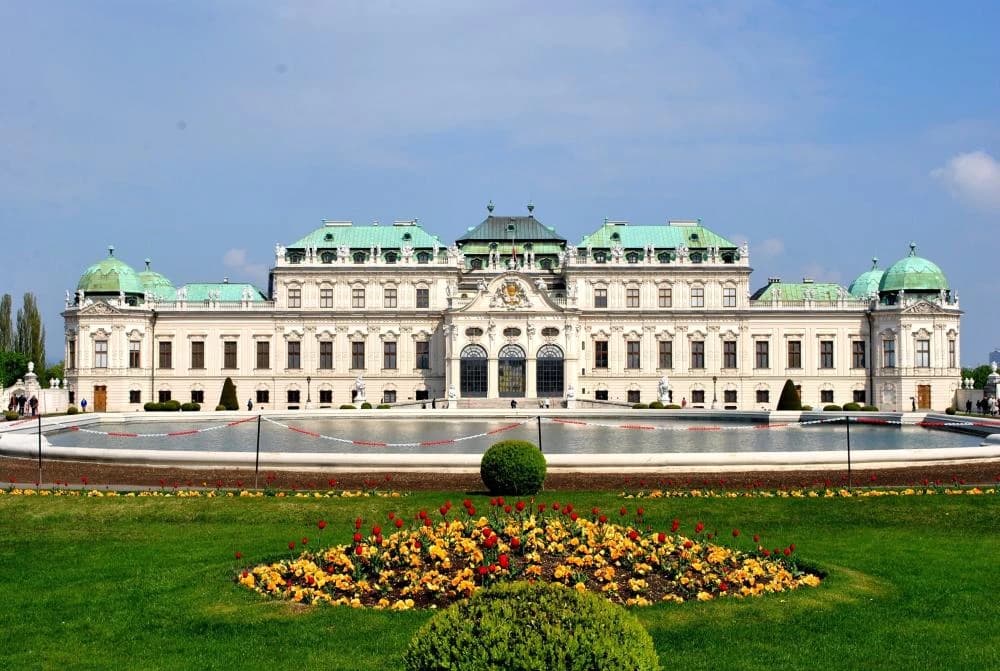
The Belvedere was built as a summer residence for Prince Eugene of Savoy and the stunning Baroque palace complex is now home to an art museum as well as beautiful gardens. The Schloss Belvedere complex is formed of two Baroque palaces - Upper and Lower Belvedere - joined by a large and beautifully designed garden. Redesigned in 2018, the inside of the palace is home to one of Austria's most valuable art collections. The permanent exhibition showcases works from the Middle Ages to the present day across seven different themed rooms, including the magnificent two-storey Marble Hall and the octagonal Palace Chapel. A highlight of the Upper Belvedere is undoubtedly the first floor exhibition dedicated to Gustav Klimt, an unmissable visit for Art Nouveau fans, or anyone wanting to see the artist's world-famous painting of The Kiss. The little brother of the Upper palace, the Lower Belvedere has a more subtle façade, and houses the museum's temporary exhibitions. Inside, visitors can still marvel at the lavish tastes of Prince Eugene, who used this palace as his residence, particularly in the Groteskensaal (Hall of the Grotesque), the Marble Gallery and the Golden Room.
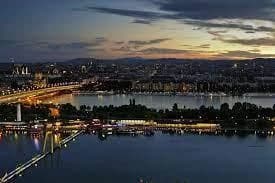
The Donauinsel is a long, narrow artificial island in central Vienna, Austria, lying between the Danube river and the parallel excavated channel Neue Donau . The island is 21.1 km (13.1 mi) in length, but is only 70–210 m (230–689 ft) wide. The New Danube waterway is practically an elongated (swimming) lake, technically a diluvian bed.
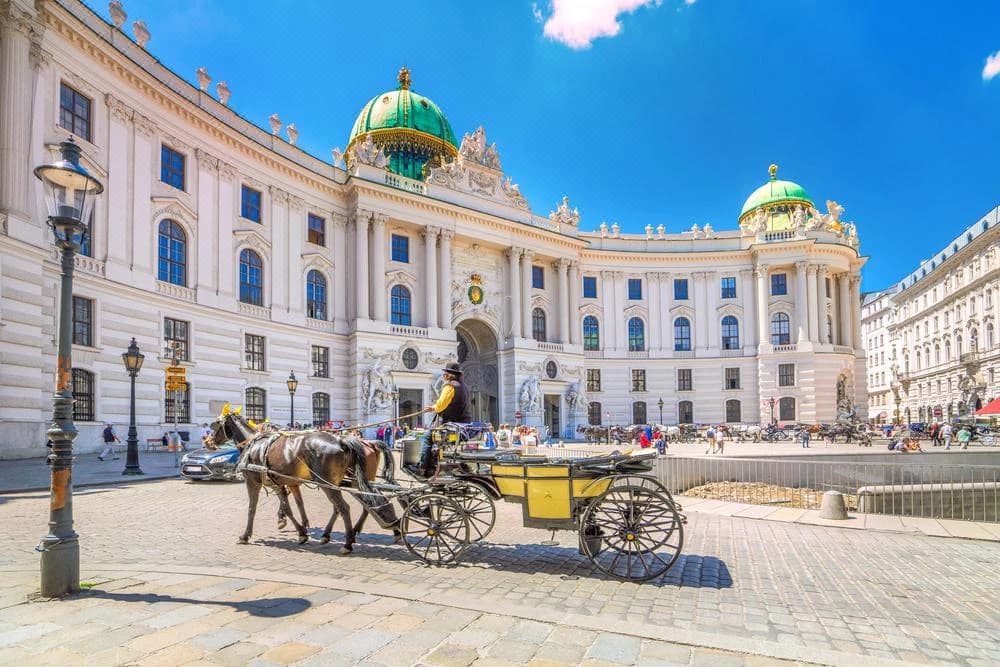
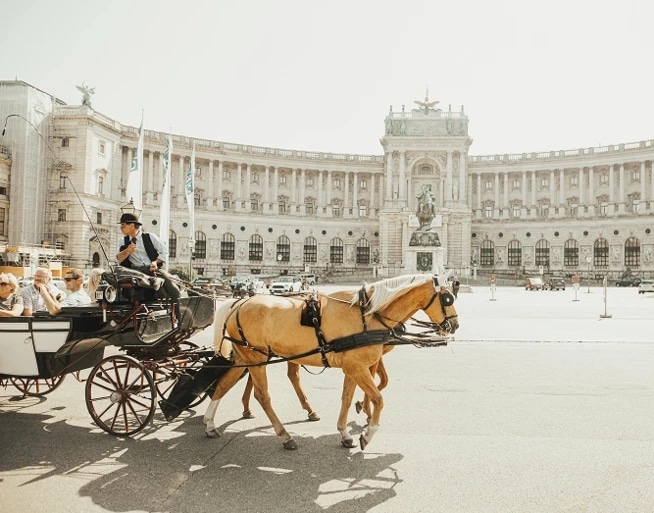
The Hofburg Palace is one of the world's biggest palace complexes. With parts dating back to the 13th century, today it's Vienna's most popular monument. The Hofburg is an enormous palace complex in the heart of Vienna, which includes fascinating museums, a church and chapel, the Austrian National Library, and the Spanish Riding School, as well as the office of the President of Austria. At the end of the Habsburg monarchy, the court's impressive silver collection became property of the Austrian Republic. The museum's exhibitions of luxury crystal glasses, silverware, porcelain and more provide insight into the extravagant dining culture of the former imperial dynasty, Explore the different bedrooms, studies and living rooms that were home to the Habsburgs for over 600 years, including the official and private chambers of Emperor Franz Joseph and Empress Elisabeth. Perfectly preserved with their original decor and furnishing, the rooms are an incredible testament to the splendor of the dynastic Austrian royal family and to their personal histories as well.
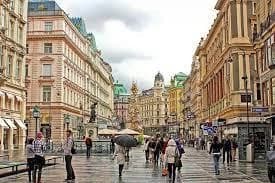
Carinthian Street is the most famous street in central Vienna. It runs from the Stephansplatz out to the Wiener Staatsoper at Karlsplatz on the Ringstraße. The first record of Kärntner Straße is from 1257, as Strata Carintianorum, which refers to its importance as a trade route to the southern province of Carinthia.
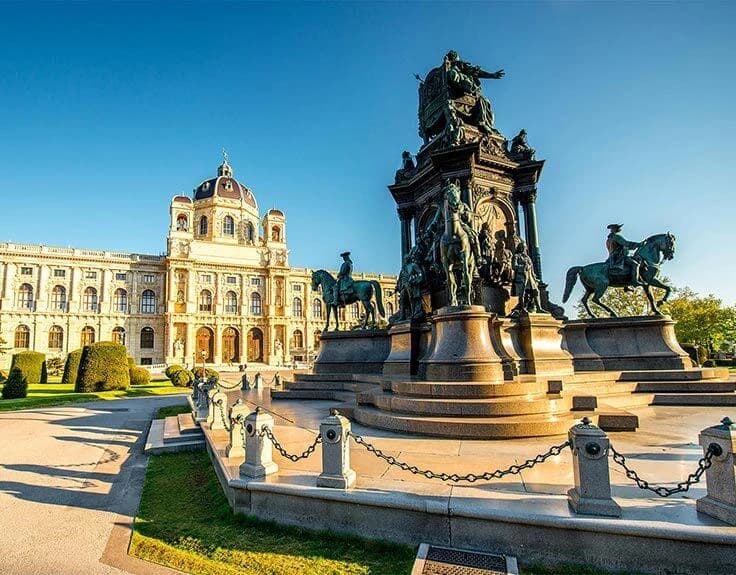
Located along the famous Ringstrasse, Maria Theresa Square (Maria Theresien Platz) is surrounded by many of the capital’s prominent landmarks, with the Museum Quarter to the south and the Hofburg Palace to the north. Maria Theresa was the only female ruler of the Habsburg Empire, over which she ruled for forty years. A very religious woman with 16 children, she was quite popular with the people she ruled and is considered one of the best rulers of the Habsburg dynasty. The Maria Theresien Platz is located in a beautiful area between the Museum of Natural History and the Museum of Art History Vienna, and it was created to honor this grand ruler. In the center of Maria Theresien Platz you'll find the Maria Theresia Monument, a huge memorial constructed for 13 years under the guidance of Kaspar von Zumbusch. The monument features the empress Maria Theresa as a large, imposing bronze statue, as she greets the people with her right hand and holds a document and a scepter in her left. She is surrounded by other statues of her generals. The monument stands over 19 meters high and weighs approximately 44 tons. During the advent, the Maria Theresien Platz is transformed into a festive Christmas Village, with cabins offering handicrafts, punch and so much more.
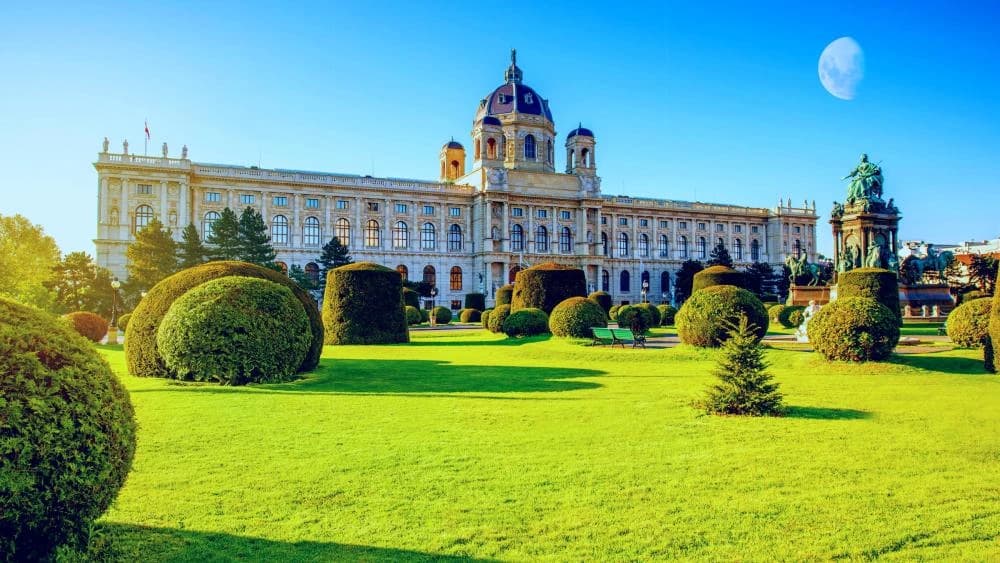
Located in Museumsquartier, Vienna's Natural History Museum is home to a wide range of exhibitions that allow visitors to experience the incredible diversity of nature and to travel back in time through the history of our planet. The museum building itself, opened in 1889, is the identical twin of the Art History Museum which faces it across Maria Theresia Platz. The Natural History Museum's exhibitions are divided between two floors: the lower floor is dedicated to Europe's most extensive collection of precious stones, minerals and even meteorites, as well as a number of displays surrounding prehistoric culture, the evolution of humankind, and paleontological discoveries. The famous Venus of Willendorf, a figurine estimated to be 30,000 years old, is on display here. On the upper floor, visitors can explore a huge collection of different animal species, including insects, birds and mammals. Not only do these exhibitions provide fascinating insight into the history of taxidermy over the centuries, but they also give us the opportunity to see now-extinct creatures such as Steller's sea cow.
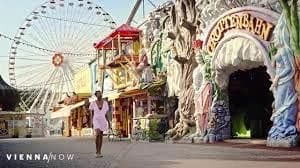
A fascinating world awaits visitors and guarantees entertainment for both young and old. Full of turbulent roller coasters, spooky ghost trains and attractions of all sorts - there is hardly any other place in the world to challenge your senses in this intoxicating way
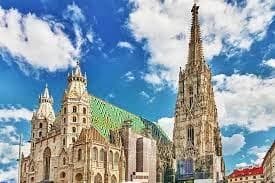
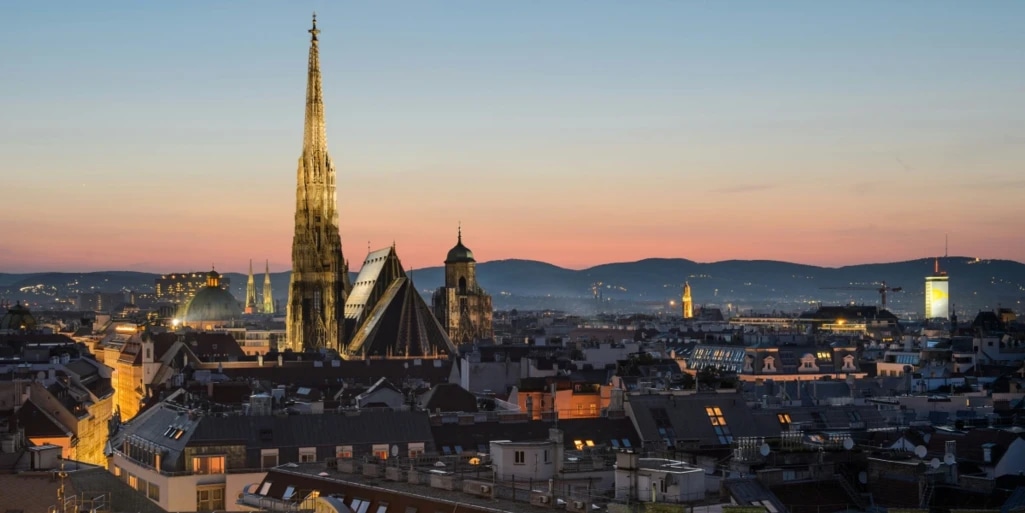
Stephen's Cathedral is the mother church of the Roman Catholic Archdiocese of Vienna and the seat of the Archbishop of Vienna, The current Romanesque and Gothic form of the cathedral, seen today in the Stephansplatz, was largely initiated by Duke Rudolf IV (1339–1365) and stands on the ruins of two earlier churches.
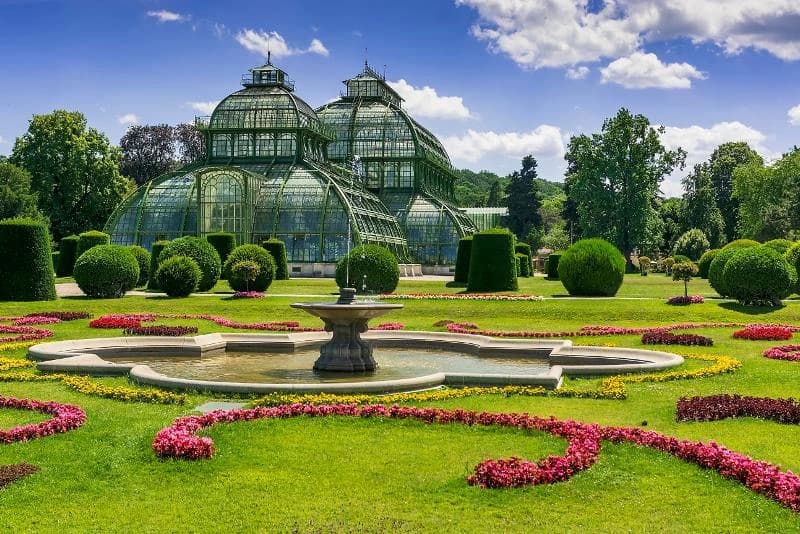
The park at Schönbrunn Palace was opened to the public around 1779 and since then has provided a popular recreational amenity for the Viennese population as well as being a focus of great cultural and historical interest for international visitors. Extending for 1.2 km from east to west and approximately one kilometer from north to south, it was placed together with the palace on the UNESCO list of World Heritage Sites in 1996. As a young girl, Maria Theresa took over the Schoenbrunn estate from her father, Charles V, who had mostly used it as a pheasant hunting preserve. Thus began the glorious era of the castle and the park. It is one of the most beautiful in Europe, modeled after the French baroque ones.
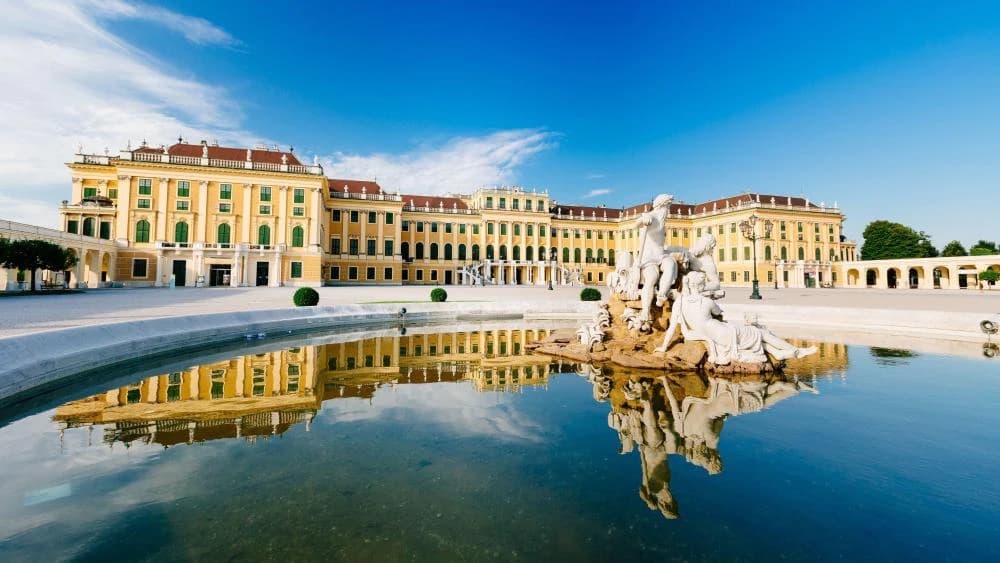
Constructed in the 17th century, the immense Schonbrunn Palace in Vienna was the summer residence of the Austrian imperial family for several hundred years. Its stunning Baroque architecture, lavish interiors and beautiful gardens are well worth a visit. Built in the 17th century, Schloss Schonbrunn, to this day one of Europe's most beautiful Baroque palaces, was for many years the imperial summer residence. Among its guests were many famous visitors including Mozart and Napoleon! Wander around its lavish rooms - of which there are a grand total of 1,441 - and admire the sumptuous Rococo style decor. Don't miss the splendor of the Great Gallery, where imperial banquets were held, the exotic flair of the Chinese Cabinets - the locations of Maria Theresia's secret meetings with her Chancellor, and Charles I's abdication in 1918 - as well as the surprisingly modest private suites of Emperor Franz Joseph and Empress Isabel. As well as the beautiful palace itself, the immense Schloss Schonbrunn complex features stunning gardens filled with sculptures, the fascinating Imperial Carriage Museum, and the Tiergarten, the oldest zoo in the world. Stroll through the wonderful gardens to the Gloriette, which offers beautiful views of the palace from its hilltop location.
The Haus des Meeres is a public aquarium in Vienna, Austria. . The Haus des Meeres houses over ten thousand aquatic beings on an area of around 4,000 square meters (43,000 sq ft) inside a tall concrete flak tower built during World War II.
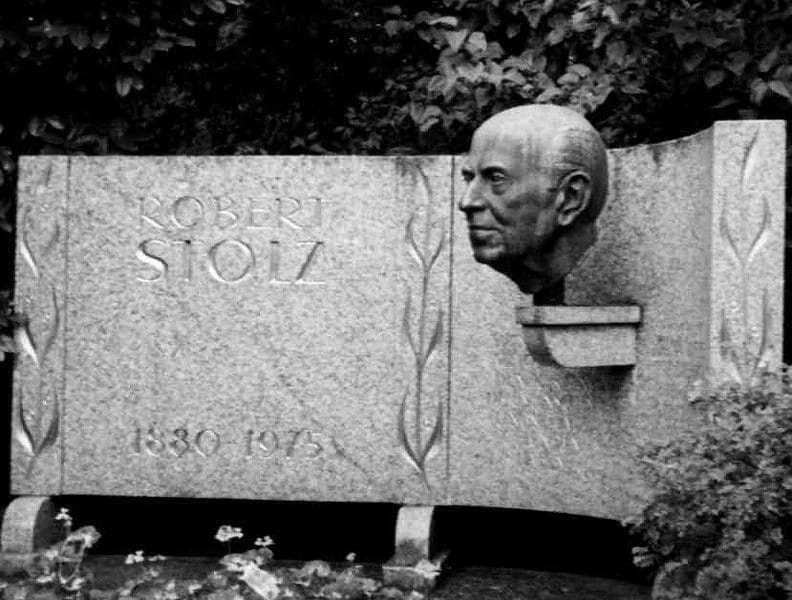
The Stadtpark in Vienna, Austria is a large municipal park. The park is divided in two sections by the Wienfluss (Vienna River), and has a total surface area of 65,000 square metres (28 acres). Scattered throughout the park are statues of famous Viennese artists, writers, and composers, including Hans Canon, Emil Jakob Schindler, Johann Strauss II, Franz Schubert, and Anton Bruckner.
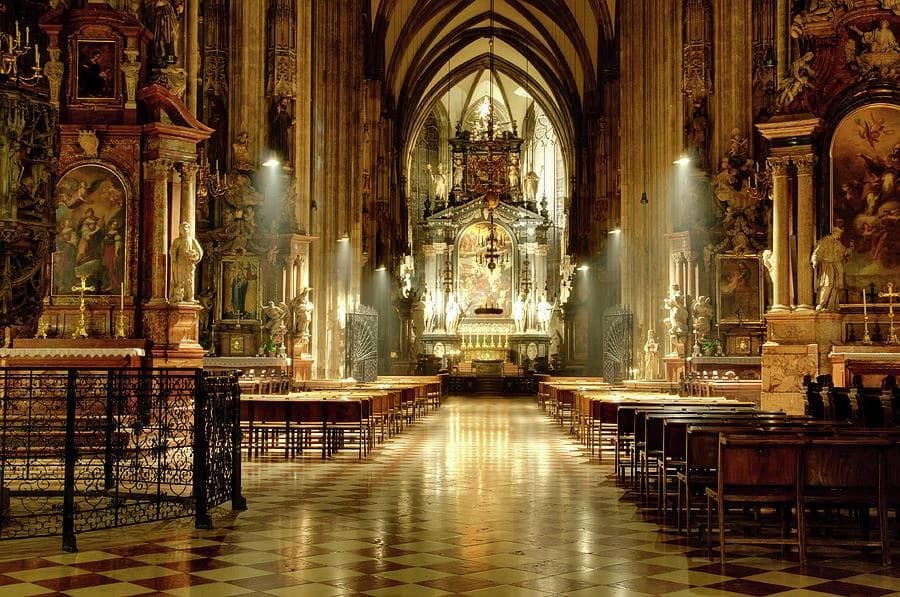
Stephansdom is one of Vienna's most recognisable symbols, standards on the ruins of an earlier ancient Roman church, built and dedicated to St. Stephen in 1147. Of this, only the Giant's Gate and the Heathen Towers still remain. The cathedral is crowned by a 137-meter tall spire. The Gothic-style Steffl tower, or Little Stephan, as it's ironically known, can be seen from all over Vienna. A snail's-pace climb up the tower's staircase will reward you with unforgettable views over the city center. Pay a visit to the must-see Catacombs, the entrance to which is through a chamber under the North Tower. Constructed at the end of the 14th-century to house remains from the area's overcrowded graveyards, the Catacombs were closed in 1783. Today, the major attraction is the Ducal Vault, which Rudolf IV had constructed for the Habsburgs in 1363. The Cathedral's North Tower itself is home to the massive Pummerin Bell, rung only on special occasions such as New Year's Eve. Als visit the elaborate tombs of the many important people who have had the honor of being buried inside the cathedral throughout history, and it was the site of Mozart's wedding and funeral.
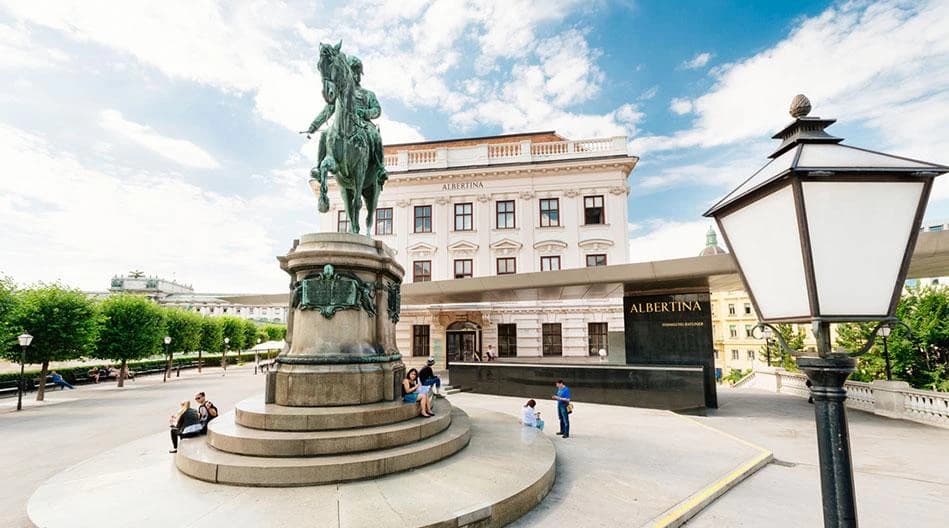
The Albertina Museum, located in the heart of Vienna, is home to one of the world's largest and most important graphic collections, with more than 65,000 drawings and around a million old master prints. The museum is housed in the former palace of the Duchess Maria Christina and her husband Duke Albert of Saxe-Teschen, an avid art collector after whom the gallery is named. Each floor of the museum is home to a different exhibition. The second floor is dedicated to the gallery's permanent collections, and throughout its sixteen rooms, visitors can admire some of the most important pieces of art from the past 130 years. Discover everything from French impressionism to German expressionism to the Russian avant-garde, and more, with Monet, Renoir, Cezanne, Matisse, Miró and Picasso being just some of the iconic artists displayed here. On the first floor, visit the 22 State Rooms occupied by various Habsburg family members over the course of 100 years. Travel back in time to Imperial Vienna as you explore their luxurious living quarters, which are still partly decorated and furnished in their original style.
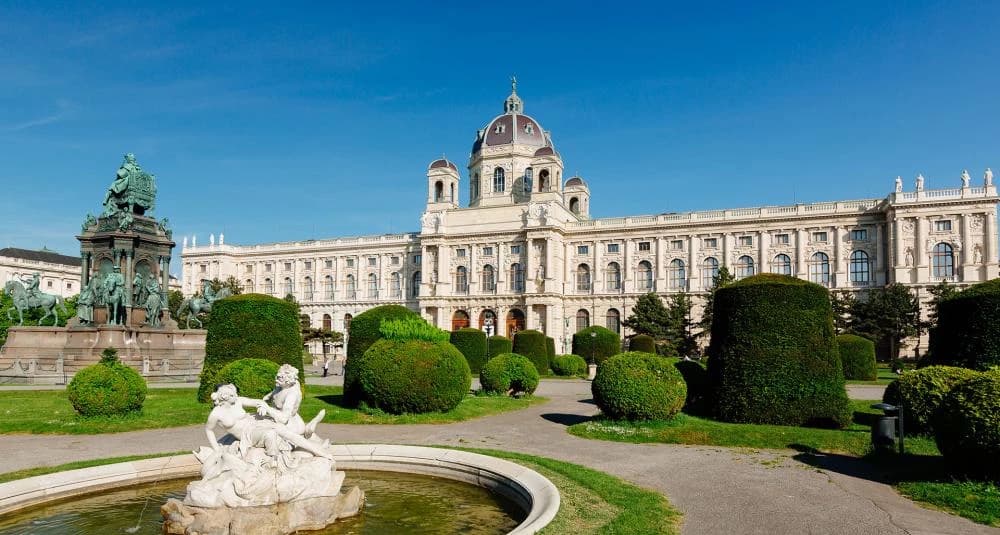
Ranking as one of the world's greatest museums, Vienna's Art History Museum is packed with an impressive amount of priceless art collected by the Habsburg family over the centuries. Until the museum was built in 1891, these works were kept in the Belvedere and the Hofburg. Unlike other museums which have been established in former palaces or other historic sites, the Vienna Art History Museum was planned and constructed with its function in mind, and decorated in line with its contents. The museum's ground floor exhibits a huge collection of ancient Greek, Roman and Egyptian artifacts. The first floor is dedicated to paintings, housing masterpieces from the 15th to 19th centuries, ordered geographically. Along one side of the building is the collection of Dutch, Flemish and German artwork, and on the other, works from Italian, French and Spanish painters. Among the many artists exhibited, Velazquez, Canaletto, Tiziano, Rubens, Rafael and Rembrandt stand out. The second floor is home to one of the world's greatest collections of currency and medals, boasting over 700,000 objects. Discover the evolution of money over history, as well as seeing the biggest and the smallest gold medals in the world.
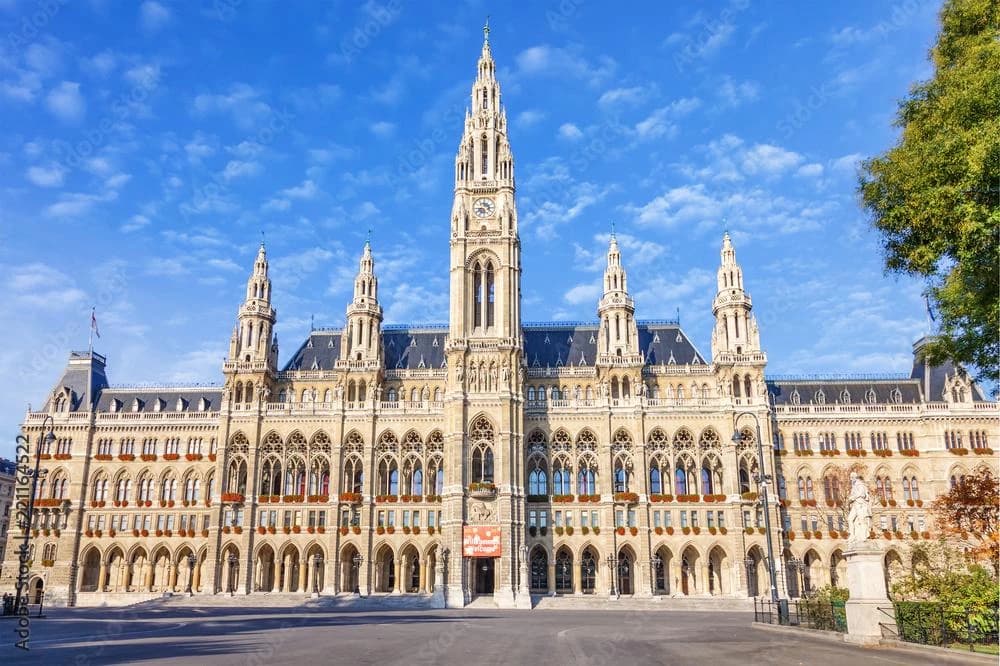
Vienna's City Hall is one of the most imposing examples of Ringstrasse architecture from the late 19th century and is now the center of numerous cultural events. It houses the city government with the offices of the Mayor of Vienna and the administration of Vienna. City Hall was built between 1872 and 1883 and is a building of superlatives: Around 30 million bricks and more than 40,000 cubic meters of natural stone were used. The architect of the magnificent building was the German-born Friedrich Freiherr von Schmidt, who won an international architectural competition. A monument to him was erected on the square named after him behind the town hall. The 103-meter-high central tower is adorned by the almost 4-meter-high so-called Town Hall Man. The iron statue was designed by Alexander Nehr and has adorned the spire of the town hall since 21 October 1882. The model for the armor bearer was allegedly Emperor Maximilian I. Numerous events are held inside and in front of City Hall: balls as well as film festivals and sports events. And from January to March, City Hall Square and City Hall Park transform into the most beautiful skating rink in the world.
All the plants that provide so much delight throughout the year in Vienna’s parks and gardens are expertly cultivated here. the first place in Europe to cultivate tulips was Vienna, even before the flower became a trademark of the Netherlands?
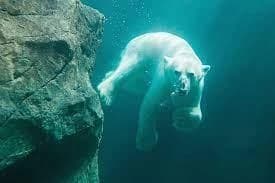
Schönbrunn Zoo is a 17-hectare (42-acre) zoo in the city of Vienna, Austria. Established in 1752,it is the world’s oldest zoo still in operation. It is also a UNESCO World Heritage Site, being a part of the Schönbrunn Palace gardens.
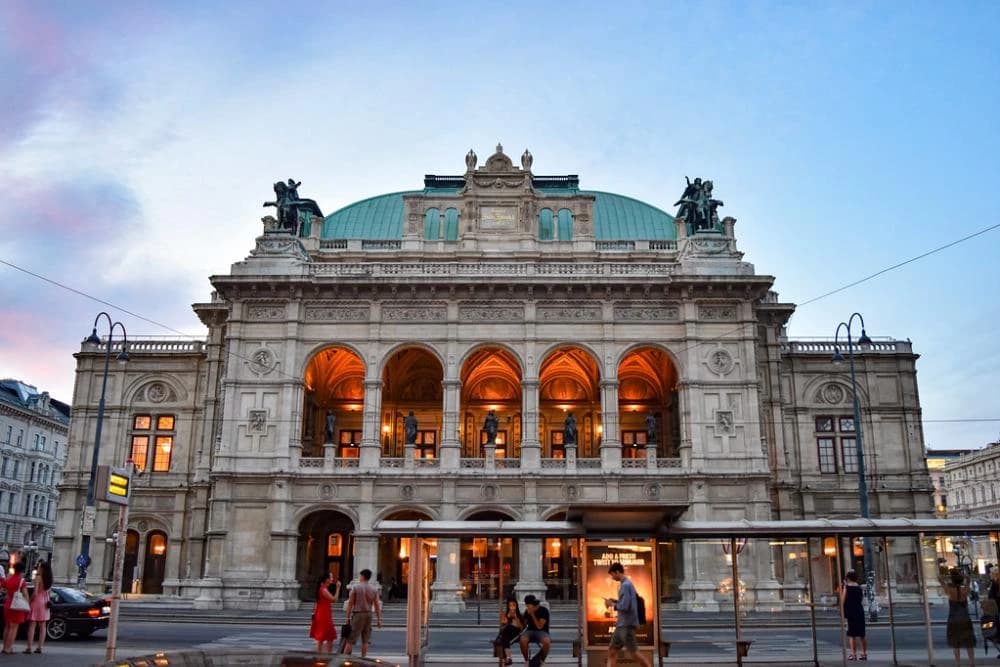
The Vienna State Opera is one of the world's finest opera companies, known especially for performances of works by Richard Wagner, Wolfgang Amadeus Mozart, and Richard Strauss and famous for its stunning Renaissance architecture. The Staatsoper was the first major building to be constructed as part of the Ringstrasse project. Officially opened in 1869 with a premiere by Mozart, it gained popularity over the following decades thanks to the artistic influence of its first directors. Both the opera house and company suffered during the dark years of World War II: many members of the house were driven out by the Nazis, and many works were not allowed to be played; then, in 1945, the building was devastated by bombing. Ten years later, the Staatsoper reopened, restored with a new auditorium and new technologies, a symbol of the new life leased to a country that had just regained independence. Explore the Tea Salon, where Franz Josef would relax in the intervals, the Marble Hall, and the Gustav Mahler Hall, before you reach the auditorium. Here you can admire the stage as you marvel at the sheer size of the 2,800-seater opera hall.
 pro
proLanguages:
 עברית
עברית English
Profile verified
 local
localLanguages:
English Español
Profile verified
 local
localLanguages:
English Русский
Profile verified
 local
localLanguages:
 PortuguêsEspañol
Profile verified
 pro
proLanguages:
 ČeštinaEnglish
Profile verified
Languages:
 हिन्दी
Profile verified
Find private local guides worldwide. Connect with real people, real stories — not just scripted tours



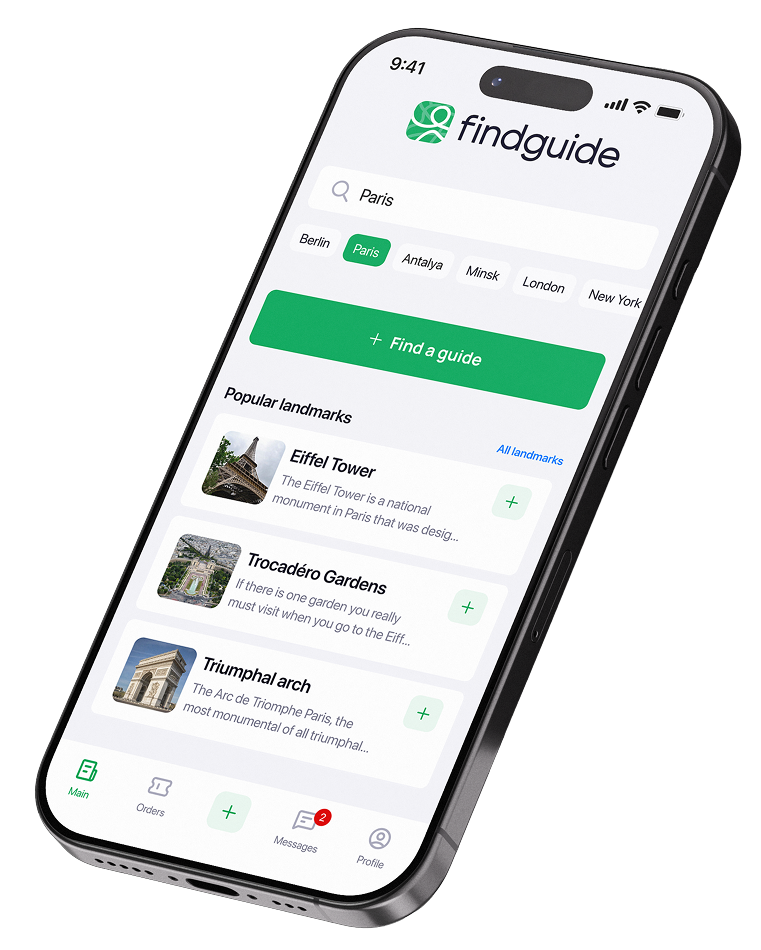

Find a personal guide in just 1 minute and create your dream itinerary!

FindGuide is a platform for finding private and local guides around the world. You can choose a guide in advance who will show you the city from a local perspective, not just the standard tourist route.
Enter the city or country you're interested in into the search bar, choose a guide you like, and send them a request. All bookings are made directly on the platform.
We offer walking, food, historical, driving, private, and family tours in more than 100 destinations.
Yes, all guides go through moderation and verification. You can read reviews from other travelers, check the guide’s rating, and view their profile with photos and experience descriptions.
Tour prices vary depending on the destination, duration, and format. You see the cost upfront — no hidden fees.
Yes, the app is completely free for tourists. You can place your tour requests for local guides and access expert travel content totally free of charge.


