
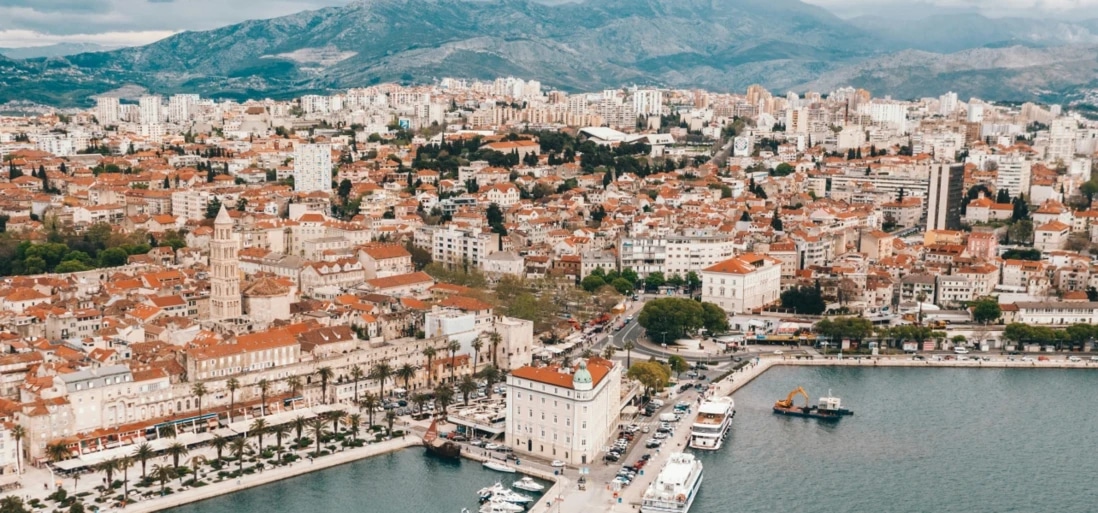
Experience Split’s historic charm and coastal beauty with a personal guide. Visit Diocletian’s Palace, stroll along the Riva promenade, and uncover hidden corners and local cafés for an authentic perspective of the city
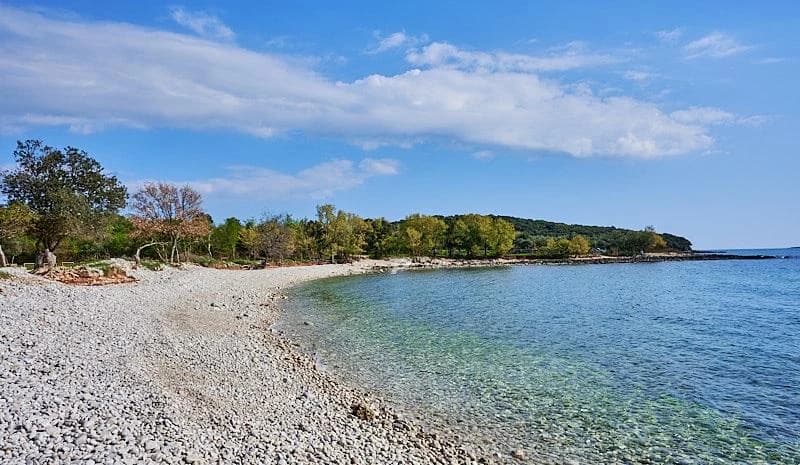
If it's your first time in Split, you'll be excused for thinking that there are no beaches here. The port harbor isn't exactly the most inviting place to swim. However, just around the corner are two very beautiful beaches. The first and most famous is Bacvice Beach, just a 15-minute walk from Split's Old Town. The shores are lined with a concrete boardwalk, and the beach itself is a thin strip of small pebbles leading into pristine waters.
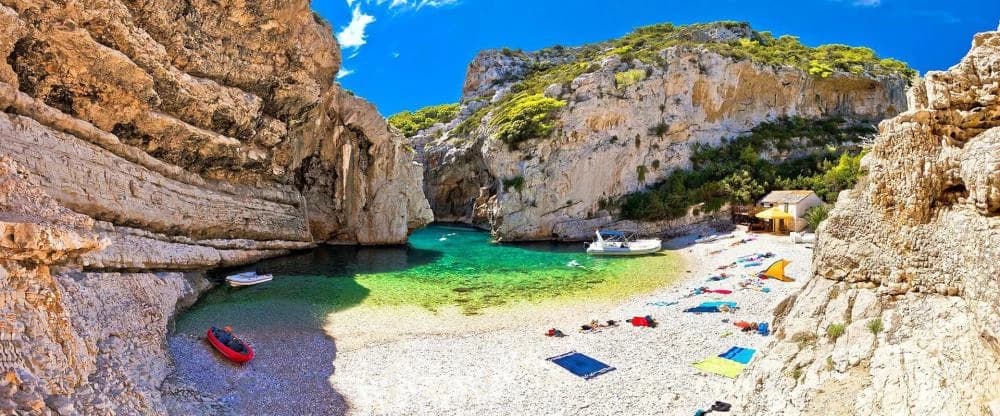
Face it, one of the main reasons why you've come to Croatia is to explore its spectacular islands and beautiful beaches. So, if you're up for the absolute best island-hopping experience from Split, make sure to book the Blue Cave & 5 Islands speedboat tour. The highlight of this trip is the iconic Blue Cave on Biševo Island, a natural sea cave that is world-famous for its mesmerizing blue glow and crystal clear water.
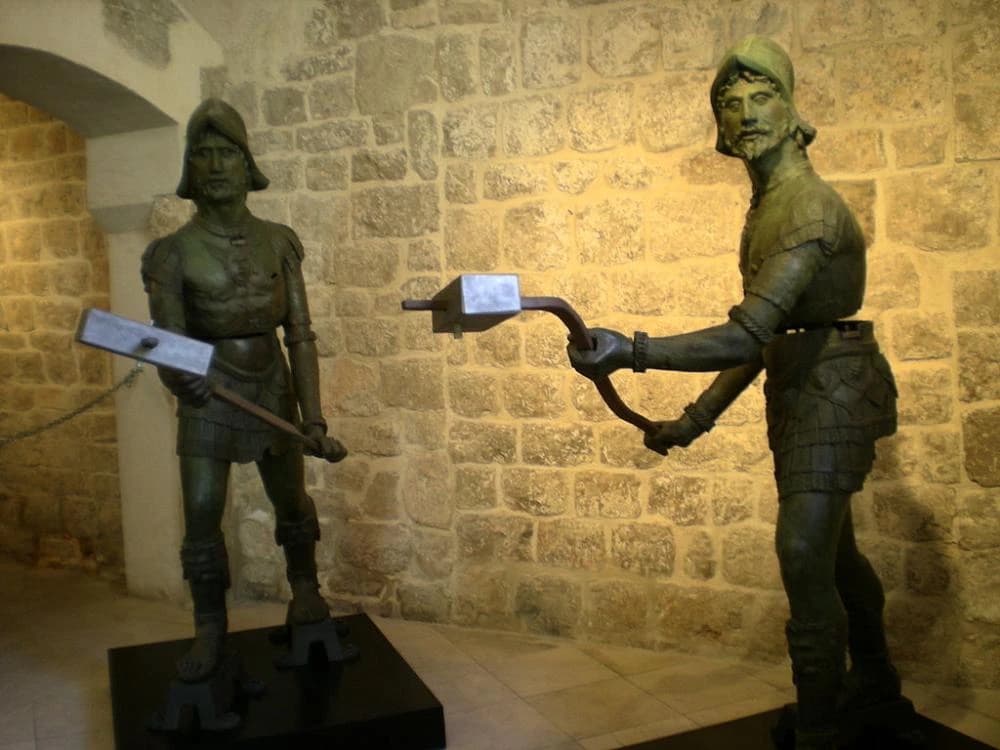
The most prominent landmark on Luza Square, Dubrovnik’s clock tower is 31 metres in height and was built in 1444. There are two bronze figures “Baro” and “Maro” either side of the great bell at the top, both holding mallets and forming the mechanism that makes the church chime at noon every day. After centuries of being exposed to the salty air of the Adriatic Baro and Maro had turned a strange shade of green, which gave the two men their famous nickname of Zelenci or “Green Men”.
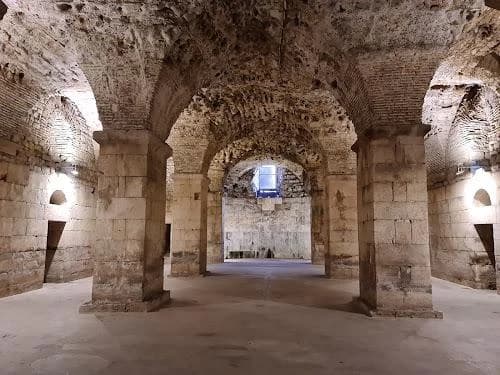
One of the most interesting attractions in the Diocletian Palace is its underground network of cellars and tunnels. To explore these underground wonders, walk to Peristil Square and look for the stone staircase leading beneath the Ethnographic Museum. The Diocletian Cellars are a great place to escape the heat, as the temperatures are always much cooler! Additionally, you'll find many small market stalls in the cellars, offering everything from hand-made souvenirs to local delicacies.
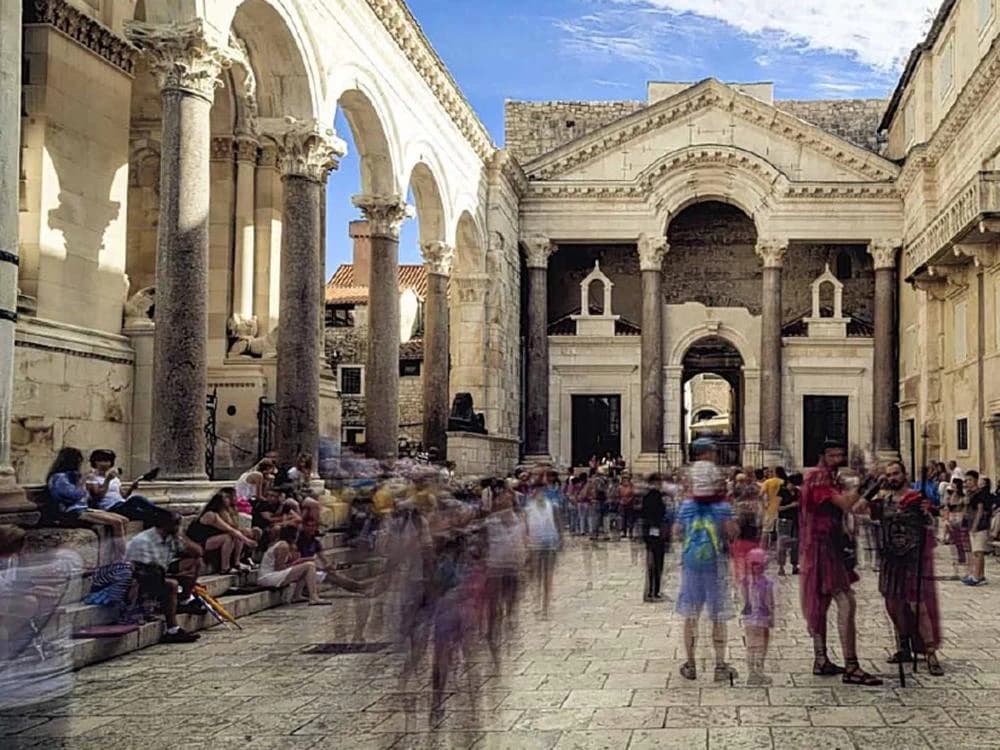
By far, the most famous and main attraction in Split, Croatia is the Diocletian Palace. This historic roman era palace forms the old town city center and was built for the famous Roman emperor Diocletian during the fourth century AD. What makes this site so famous is that it is one of the best-preserved Roman architectural monuments in the world! However, the palace today varies greatly from its original structure due to city inhabitants modifying and repurposing its buildings for the past several hundred years. Yet, you'll still find original stoneworks scattered throughout the Old Town in ruined form. Therefore, when you are walking through the Old Town of Split, you are actually walking through the palace itself!
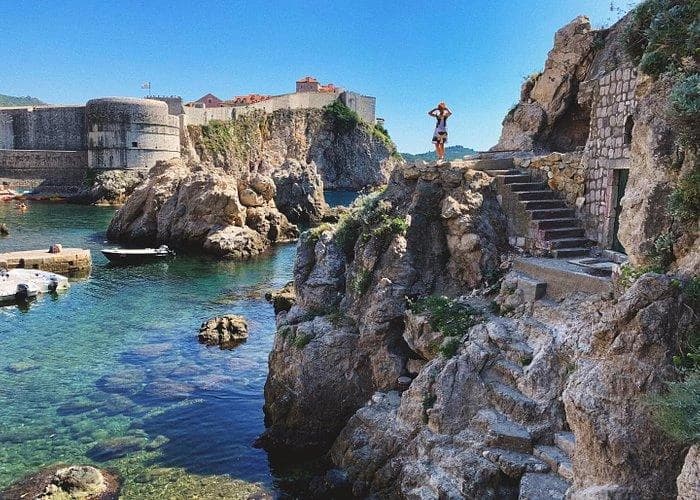
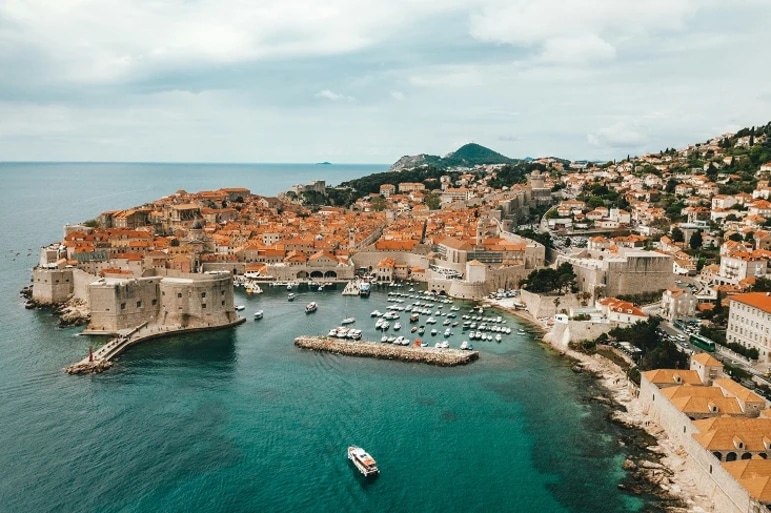
This amazing Dalmatian city has earned its place as one of Europe's most popular vacation after gaining worldwide attention for being the filming location for King's Landing in Game of Thrones. This iconic city sports several amazing beaches and a spectacular walled Old Town. While I highly suggest that everybody makes the effort to spend at least a night here, you can visit Dubrovnik on a day tour from Split.
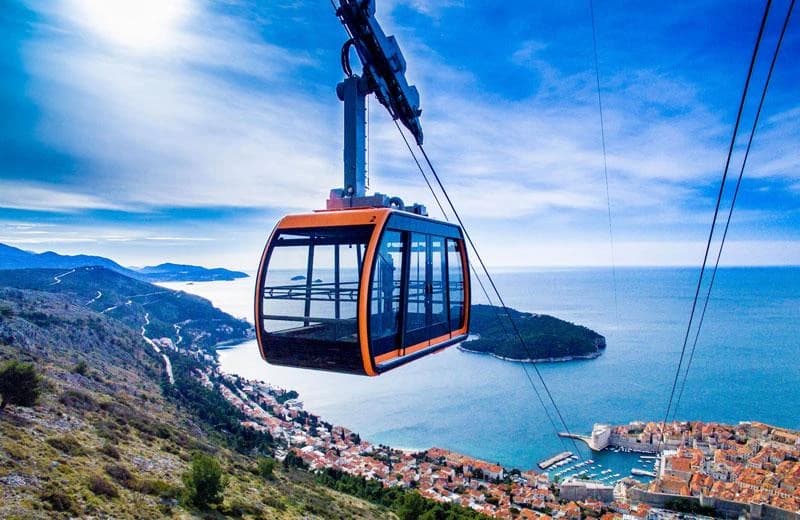
Undoubtedly the best view of Dubrovnik can be had from the crest of Mount Srd, which looms 412 metres above the city a short way inland. In 1969 they built a cable car serving the summit, operating until midnight during the peak summer months. By day you’ll never forget the vistas of Dubrovnik’s towers and walls, the baked clay tiles of the city’s houses and the evergreen offshore island against the cobalt Adriatic. At night you can gaze out to the west to see the sun setting behind the city.
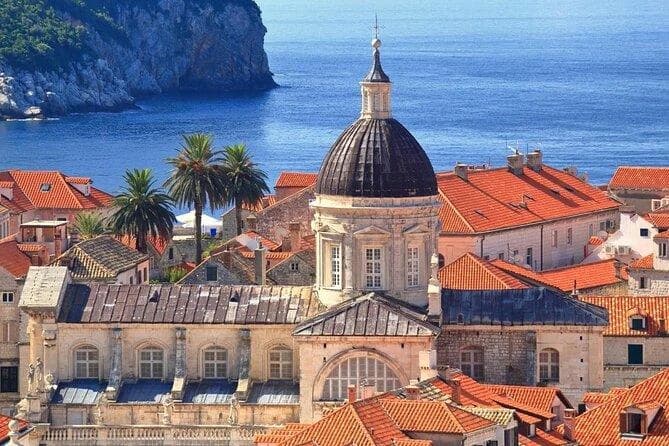
The city’s cathedral is one of Dubrovnik’s large ensemble of baroque architecture. Among the many reasons to pay this seat of the diocese a visit is to see the interior’s artworks. On the main altar there’s a triptych of the Ascension of Mary by the renaissance painter Titian from 1550. On the church’s side altars are several other impressive works by Croatian and Italian artists from the same era. In the treasury is a wealth of precious liturgical items dating from the 1000s to the 1700s, including the gold-plated bones of St. Blaise.
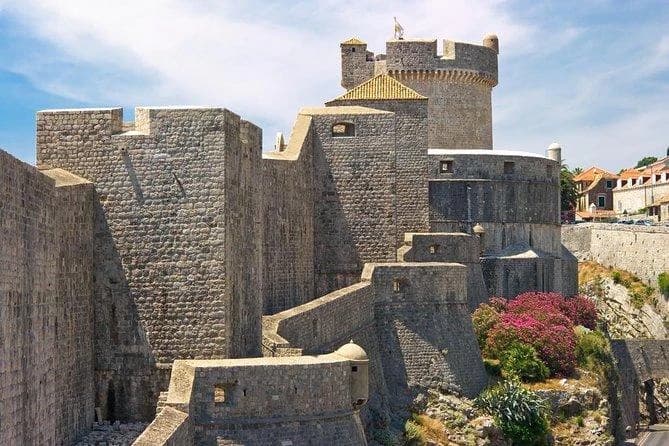
As you arrive in the old town through the Pile Gate, the main entrance and ticket office to the City Walls is right there. You can set your own pace, take an hour or an afternoon. Audio-guides in English are sold at the main entrance but most visitors are perfectly content with random vistas of red-tiled roofs or, better still, the panoramic blue of the Adriatic, interspersed with pristine white stones jutting into it down below from varying angles.
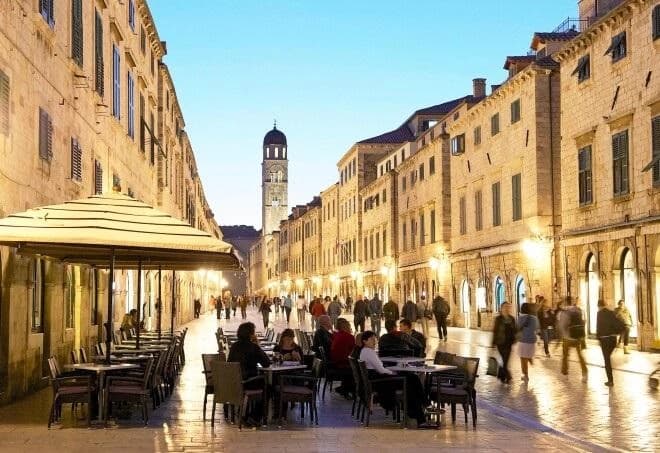
You’ll spend the bulk of your time within Dubrovnik's famed city walls, whose legacy dates back to the 9th century. The walls were built and rebuilt over the centuries as the descructive forces of nature and enemy armies required - today, they surround gleaming stone buildings and the 300-metre-long pedestrian street called Stradun. You'll flit between the city's main gates of Pile and Ploče, cobbled streets dotted with charming boutiques and sea-to-table restaurants.
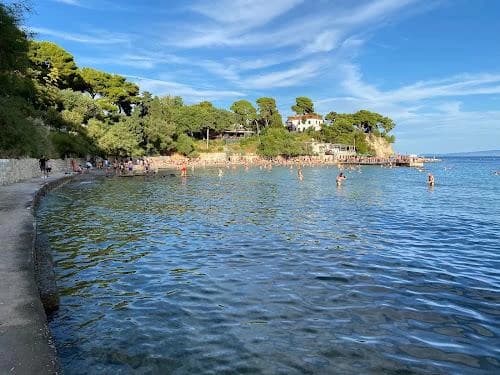
Continuing around the corner, just a short walk from Bacvice Beach, you'll arrive at Firule Beach. In my opinion, this is a better option than the first, as it is less crowded but still has amazingly clear water. During our time in Split, we'd walk down to Firule almost every day! In my opinion, this is the best beach in Split for a daily swim and short bake under the warm summer sun.
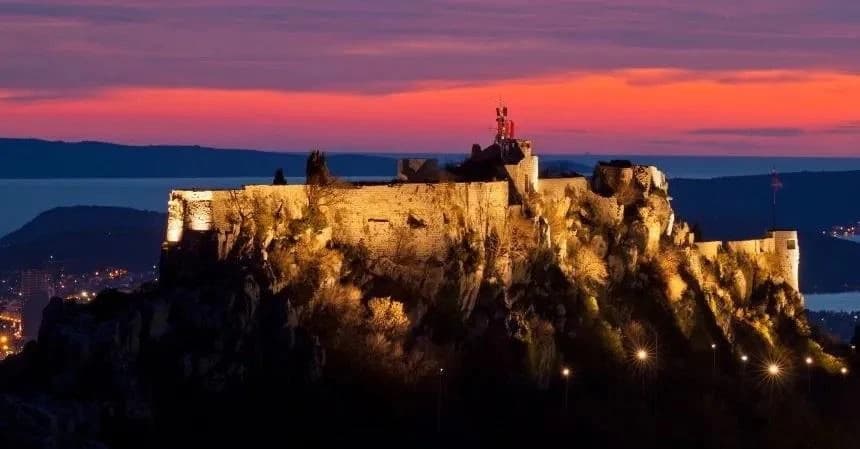
Lovers of history will definitely want to visit The Fortress of Klis, a medieval hill fortress found just behind Split's modern city. This remarkable fortification boasts a near 2000-year old history, from its origins as an Illyrian stronghold to a royal castle held by many Croatian kings. At just 12 kilometers (7.5 miles) from the ceter of Split, visiting the fortress is easy for travelers with a car.
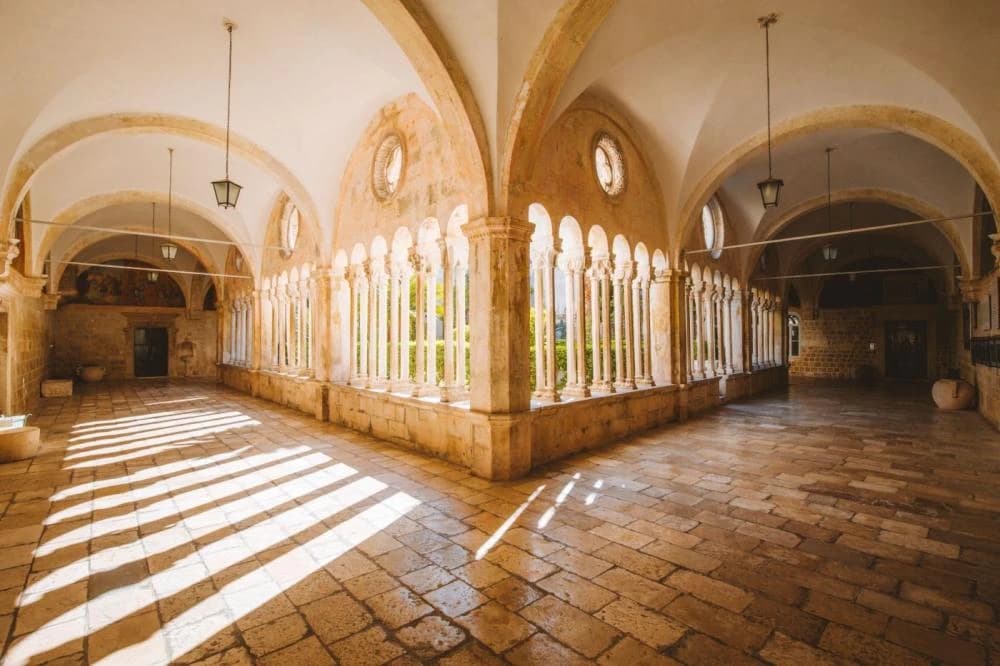
This complex is from the 1300s,having been moved inside the city walls after an earlier monastery had been constructed and then decomissioned beyond them. The famous 17th-century earthquake claimed the church, which was rebuilt in the baroque style, while the rest of the monastery is Romanesque and gothic. One of the must-sees is the monastery’s pharmacy, dating to 1317 making it one of the oldest still-operating pharmacies in the world. The library is also magnificent, with 20,000 books, among which are some 1200 priceless manuscripts.
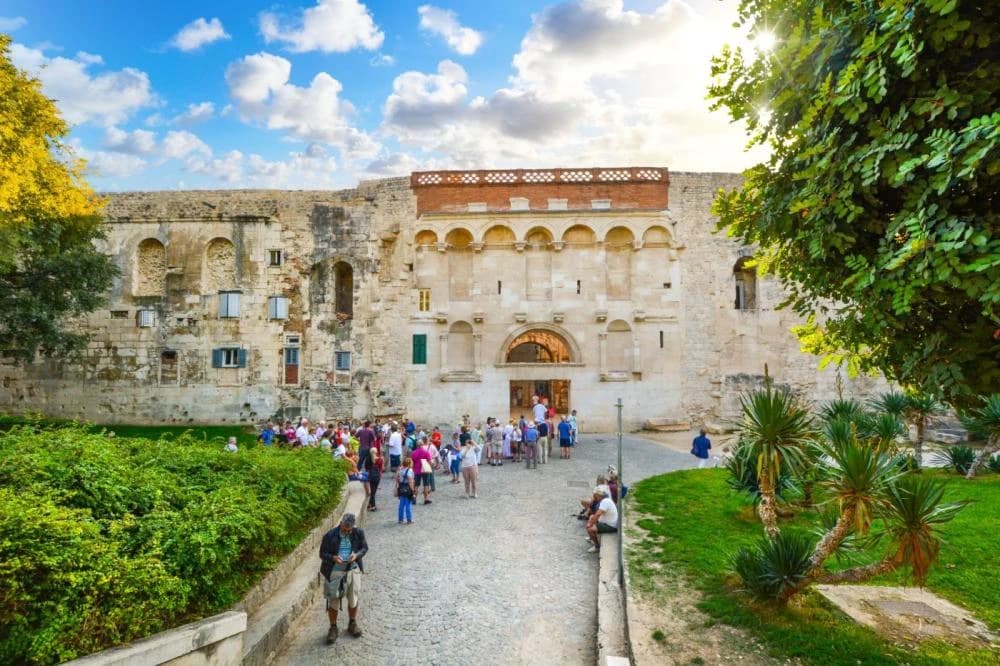
Setting our attention back to the city itself, Split's Golden Gate is one of its most historically significant sites. This stone archway is the original entrance to Diocletian's Palace all the way back in 305 AD. History tells us that only Diocletian and his royal family could use this gate, which then bore the name Porta septemtrionalis. The name changed in the 16th century under Venetian influence. Today, the Golden Gate, positioned beside the famous Grgur Ninsk statue (number 22) is one of the most prominent tourist spots in Split.
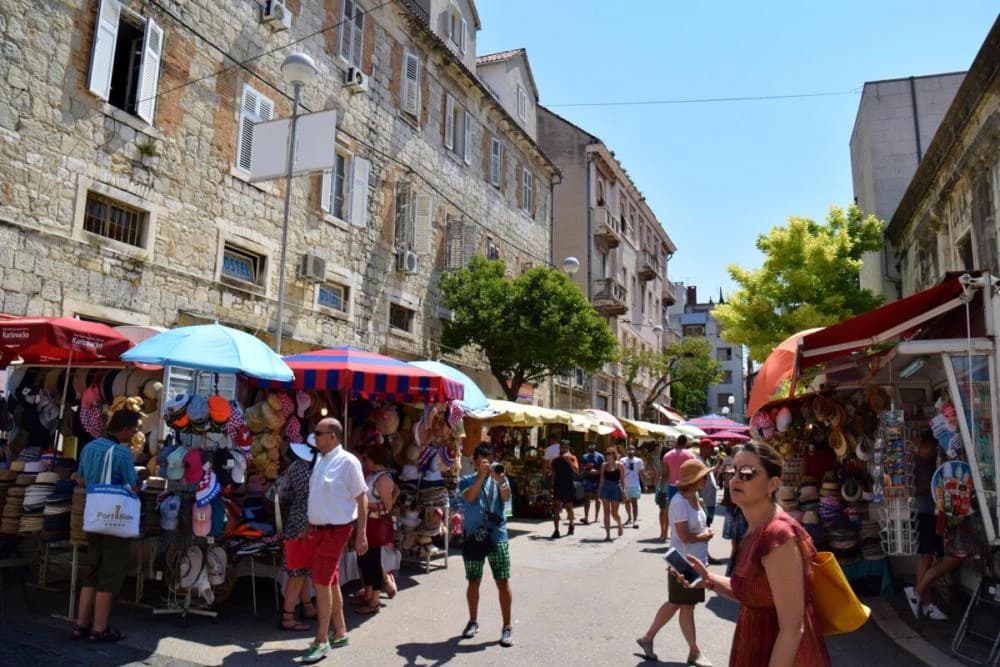
Split, like most vibrant European cities, has its own outdoor fresh fruit and vegetable market. This is known as Green Market and is an excellent place to visit for locals and travelers in the market for fresh produce.
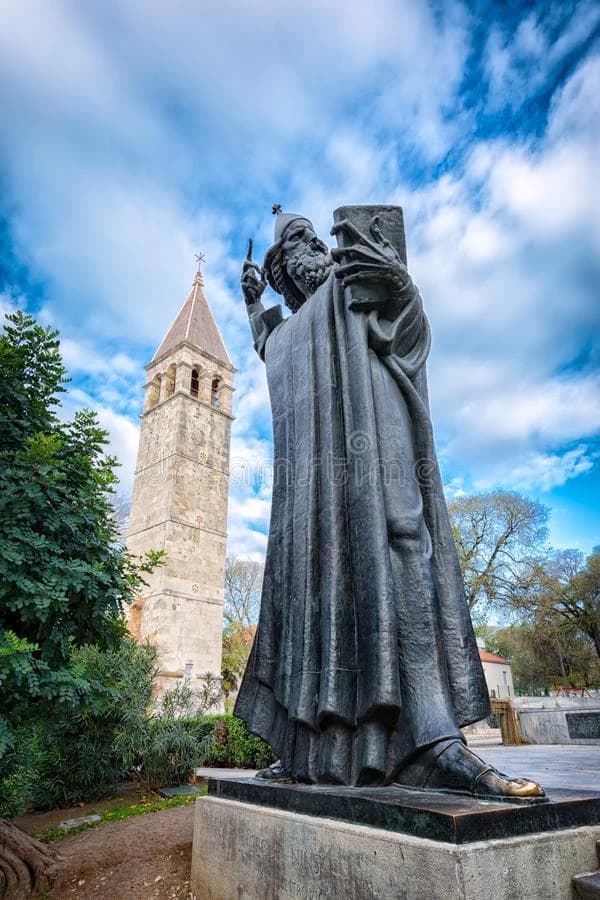
During a visit to the Golden Gate, it's difficult to miss the prominent brass structure called the Grgur Ninski statue. Gregory of Nin was a bishop famous for introducing the Croatian language to religious Christian services after the 926 Great Assembly. Before then, services were only held in Latin. While the pope strongly opposed Grgur Ninski, he persevered, which ultimately strengthened the Christian Religion throughout the country by making the scriptures accessible to all.
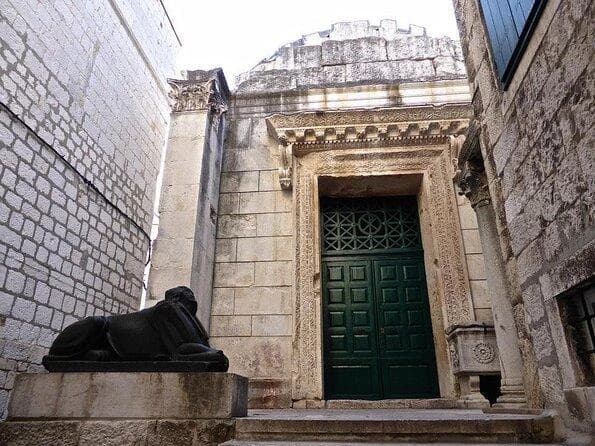
The Temple of Jupiter is one of the oldest and most significant structures in Split's Old City. Although quite a small building, historian circles regard the Jupiter Temple as one of the most well-preserved 4th-century buildings. Historians believe that the Romans built this temple between 295 and 305 AD. This was to honor the god Jupiter, the ancient god of the sky and thunder and king of the gods. You'll find this spectacularly preserved temple near the palace courtyard, just a short walk from the cathedral.
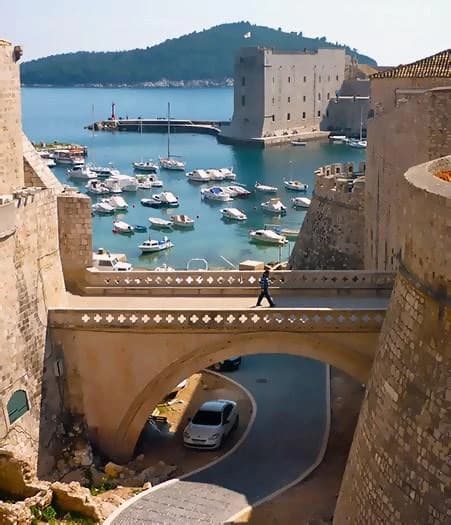
What is it? Dubrovnik has served as the location for the fantasy city of King’s Landing ever since the shooting of series two when it replaced Malta as the preferred backdrop for the capital of the Seven Kingdoms. Why go? It is now difficult to think of ‘Game Of Thrones’ at all without visions of Dubrovnik springing immediately to mind. Find GoT landmarks in our guide. Or, go a walking tour with a savvy local company. Don't miss: The Inner courtyard of the Rector’s Palace, with its trademark stone staircase, used for the meeting of Daenerys and the Spice King in Qarth in series two, episode five.
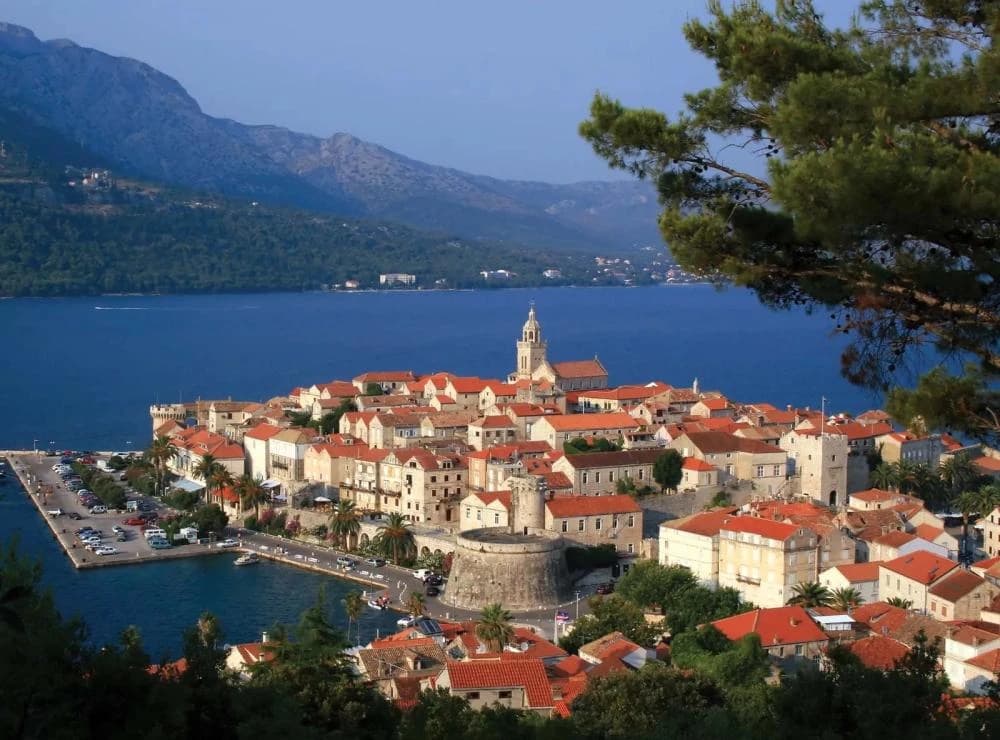
Korčula is a town on the east coast of the island of Korčula, in Croatia, in the Adriatic.
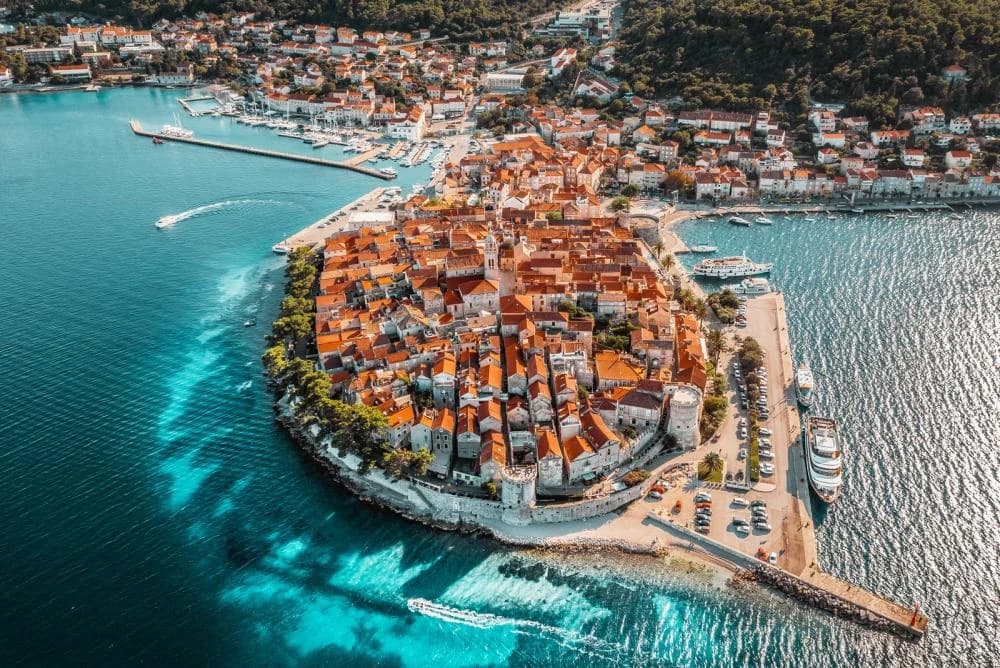
Not only the popular destinations but also this old city on the peninsula is definitely worth a trip. Korçula is a beautiful little town where Marco Polo is from. Rightly called the second most beautiful city, after Dubrovnik, of Dalmatia. Not nearly as crowded and not as hyped as Dubrovnik but of course also touristy. Small alleys, a nice promenade to linger and nice people. A lovely little old town with nice cafes and restaurants, spend a lovely day in this old city!
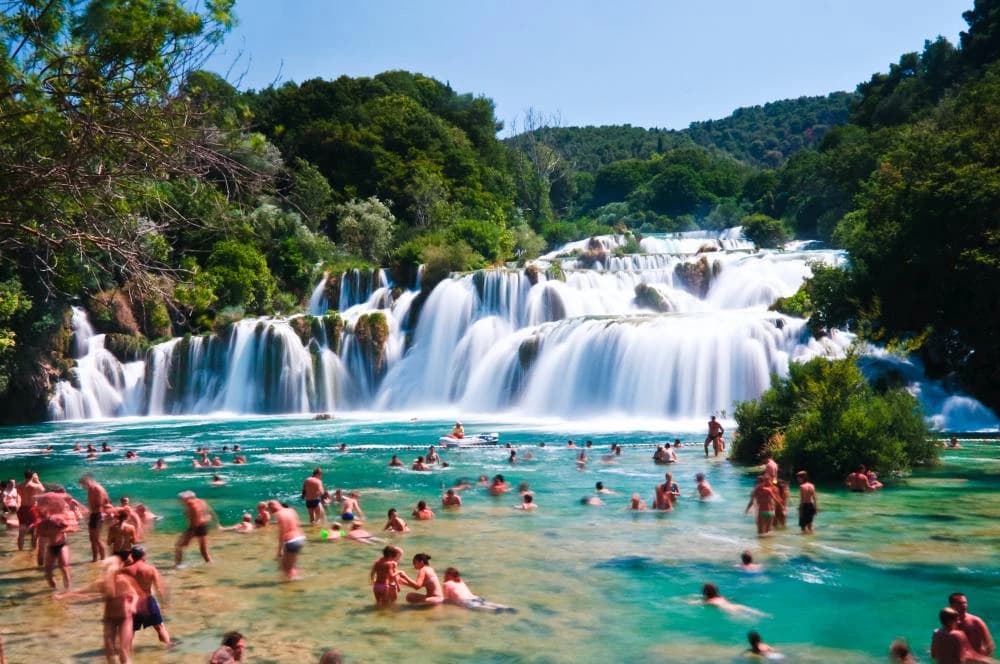
The waterfalls of Krka National Park simply have to be seen to be believed. This incredible karst river system contains hundreds of beautiful freshwater cascades set in green forest surrounds. Luckily, Split is one of the closest major cities to Krka, making it an ideal place to visit on a day trip. The journey from Split takes just over an hour, meaning you'll get plenty of time to hike and marvel at these magnificent waterfalls.
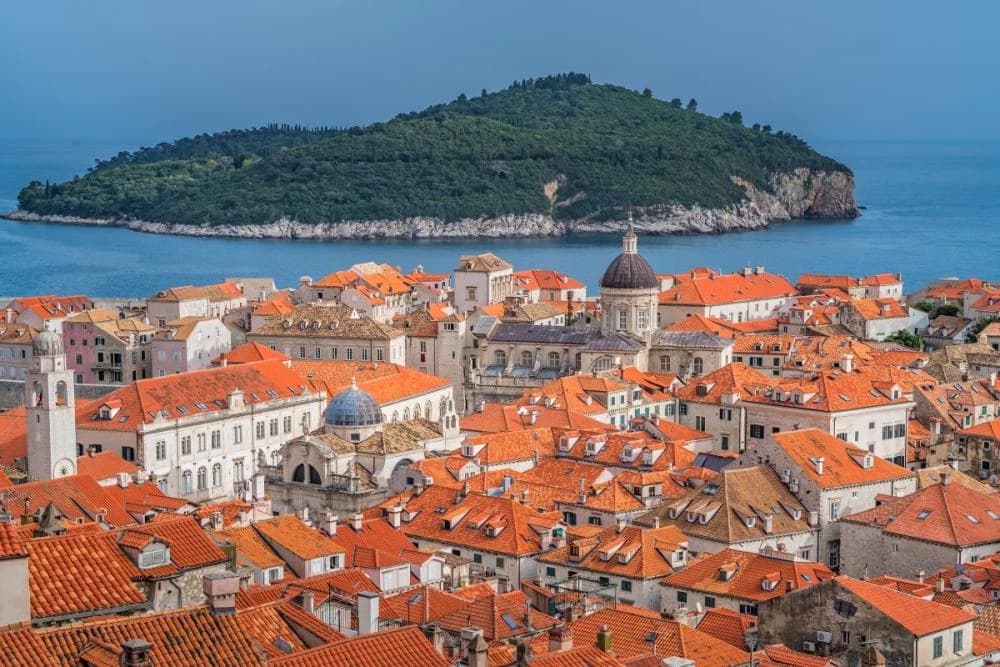
You can catch a ferry from the port to this island opposite Dubrovnik throughout the day. It will take ten minutes to get there and it’s a swift way to escape the crowds and take a breather. The island is covered almost entirely with deep green pine forest that you can amble through via walking trails. These walking routes also lead to the coast, where you’ll come across rocky coves with waters ideal for swimming and even families of peacocks brought to the island by Maximilian, the 19th-century Austrian Archduke. The old monastery on the island is also a restaurant during the summer.
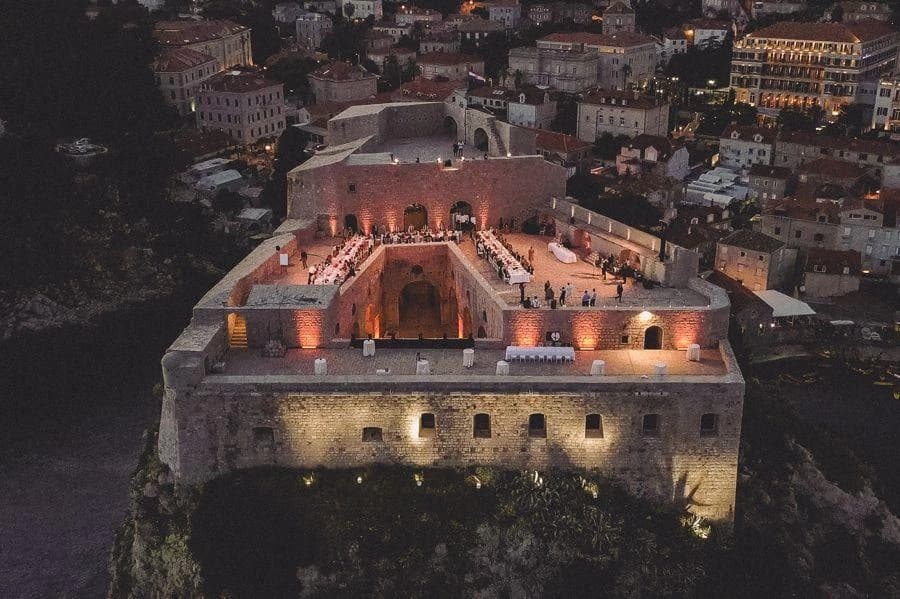
Guarding a tall spur 40 metres above the sea is one of Dubrovnik’s picture-book defensive installations. Lovrijenac earned its place in the city’s folklore during the long period of tussles with the Venetians. The invaders had attempted to built an outpost here as part of their campaign to take the city, but the locals beat them to it, erecting this fortress in just three months at the start of the 11th century. If you’re in town for the summertime Festival of Dubrovnik be sure to catch the performance of Hamlet that takes place at this majestic venue.
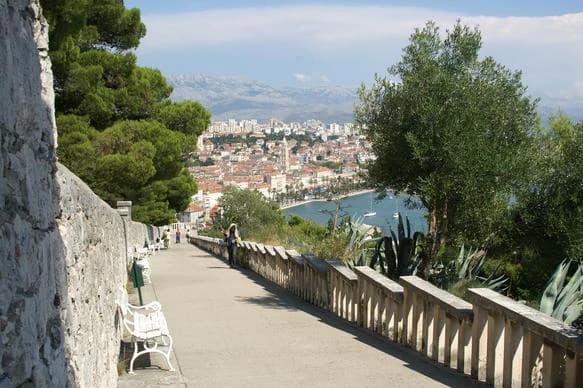
Marjan Hill is a small, forested hill located on the western side of Split's Old Town. Officially known as the Marjan Forest Park, this protected slice of nature is the perfect place to go to escape the busy city crowds. Climbing to the stone-paved observation deck at the top of Marjan HIll takes less than half an hour from the Riva, and offers travelers great views of the city and harbor below.
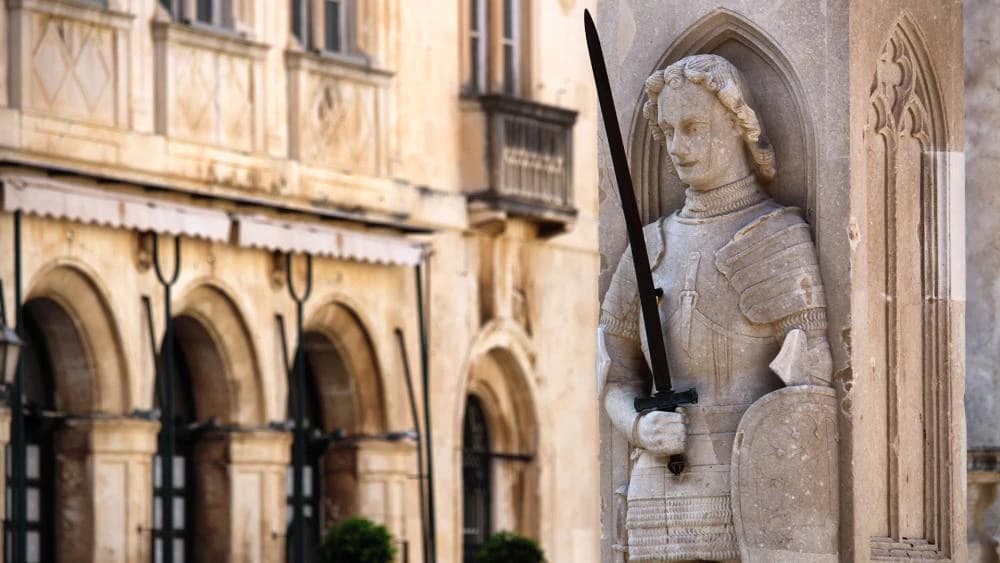
At the eastern end of Placa, right in front of the Church of St. Blaise is this stone column and flagpole that dates to the 1400s, and is a meeting point at the heart of the old town . The medieval knight depicted on the column is Orlando, who its claimed helped defend the Republic of Ragusa during a 15 month-long Saracen siege in the 800s, allowing Dubovnik to retain its status as a free trade city state. Naturally, the column is now an emblem for Dubrovnik’s freedom and during the city’s festival the mast will fly the Libertas flag.
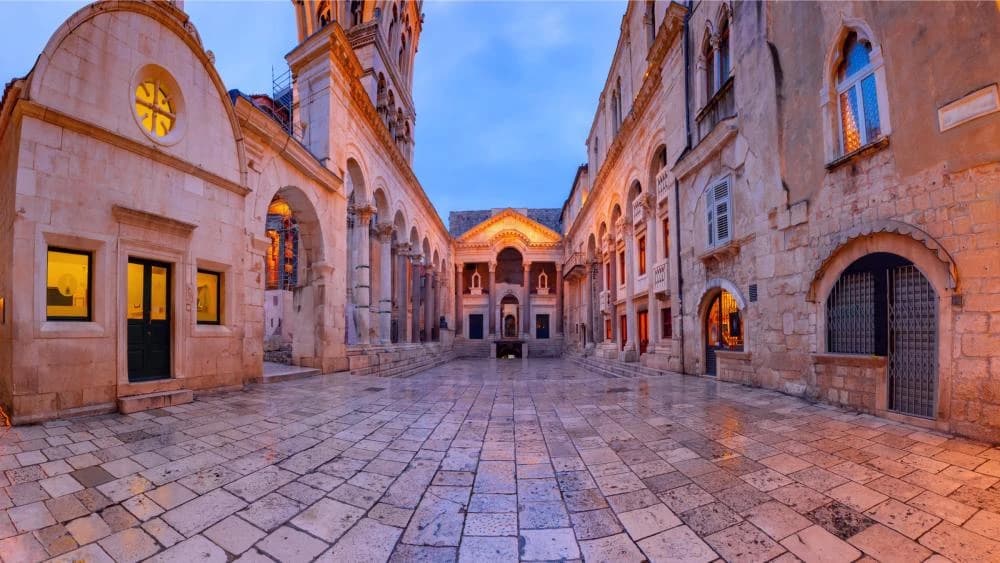
et's take a break from the day trips for a brief moment and focus on one more interesting attraction in Split's Old Town. You'll have already visited the Peristil Square on your way past the famous cathedral, but I think it deserves its own spot in this Split travel guide. The Peristil Square (also written Peristyle) is the heart of the Diocletian palace and the place where the emperor would once address the citizens. He used this square as a ceremonial hub, where people would have a chance to approach him, kneel in front of him, and kiss his cloak.
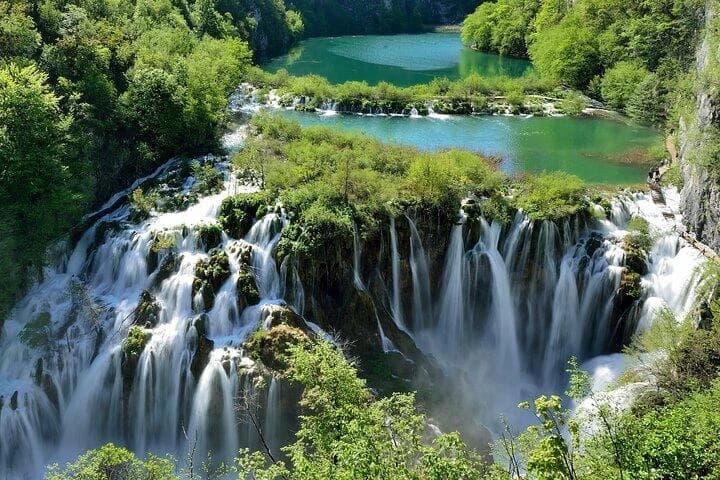
Many rate Croatia's incredible Plitvice Lakes as the country's most beautiful natural attraction . Plitvice Lakes National Park is another UNESCO World Heritage Listed site located in central Croatia near the Bosnia and Herzegovina border. At a massive 296.8 square miles (114.6 sq mi), this is one of Croatia's largest national parks! The park is famous for its otherworldly, turquoise-colored lakes and endless levels of waterfalls. While the journey is quite far from Split (2.5 hours), it is possible to visit Plitvice Lakes on a day trip. In fact, despite the distance, this is still one of the most booked activities in Split!
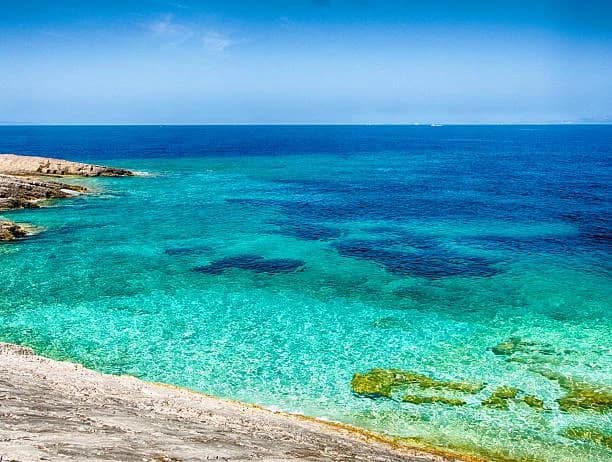
It’s a great place not to be missed if you are in the area, clean and very beautiful sea. The island is easily reachable with less than an hour of navigation by a taxi boat that leaves from the nearby Vela Luka. Once you arrive on the island, you will enter a very beautiful pine forest inside which there are various signs that indicate the path to get to the 4 beaches. Bringing your own lunch is also recommended since there’s only one restaurant in the area.
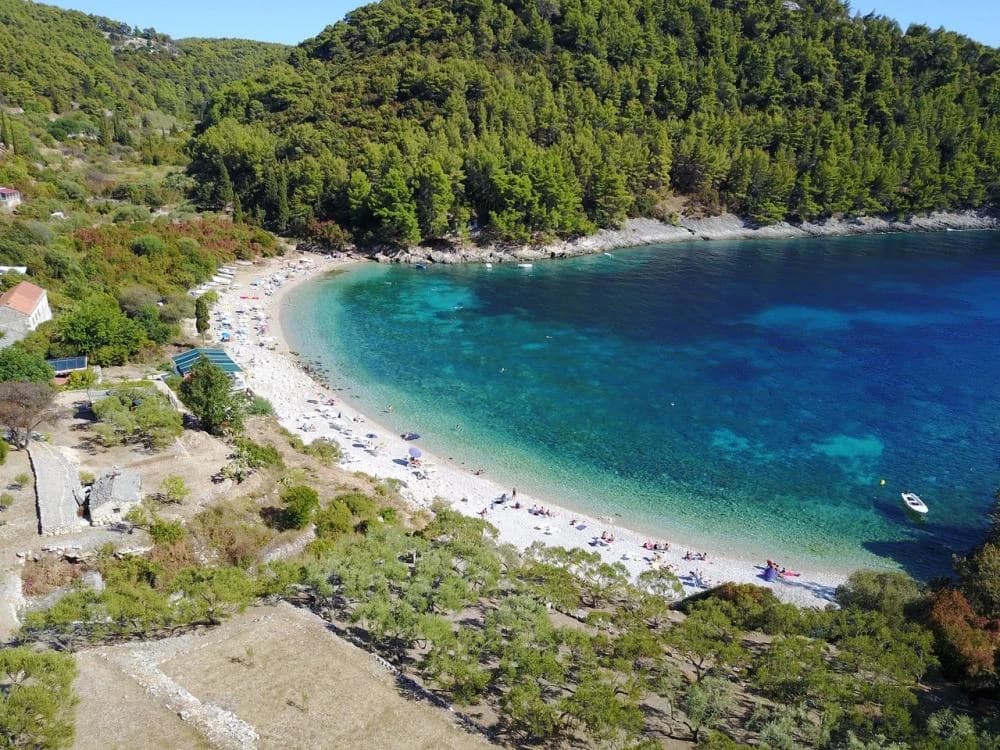
A beautiful pebble beach with crystal clear sea. Compared to other beaches, it is also possible to go there without shoes. Snorkeling is an awesome activity you can do here.
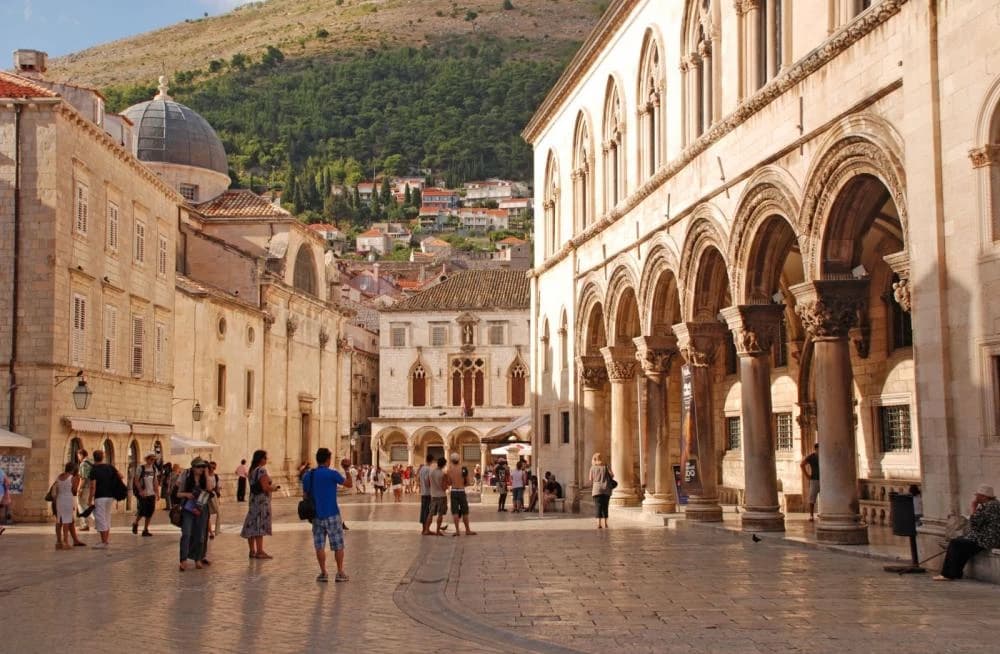
The most historic monument in Dubrovnik, the Rector's Palace was rebuilt twice. The first, by Onofrio della Cava of fountain fame, was in Venetian-Gothic style, visible in the window design once you ascend the grand staircase to the Rector's living quarters. Thereafter Florentine Michelozzo Michelozzi was responsible for the loggia façade.
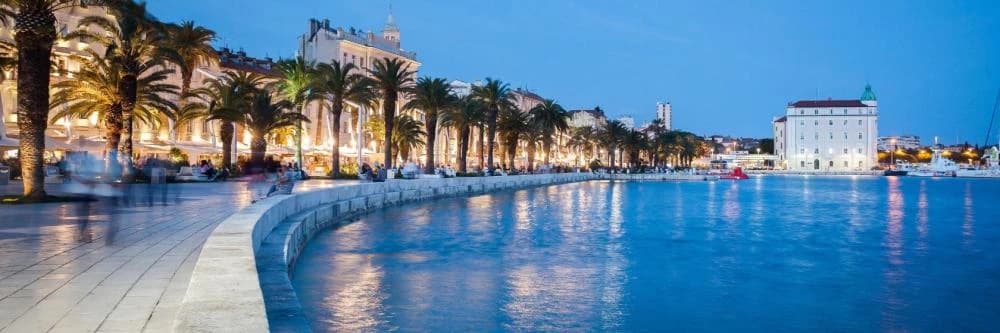
The Split Riva promenade walk is the waterfront pathway stretching along the front of the Old City from Split Harbor to the edge of the Marjan Forest Park. This is a great place to take a stroll, browse the street markets, and watch the boats come and go.
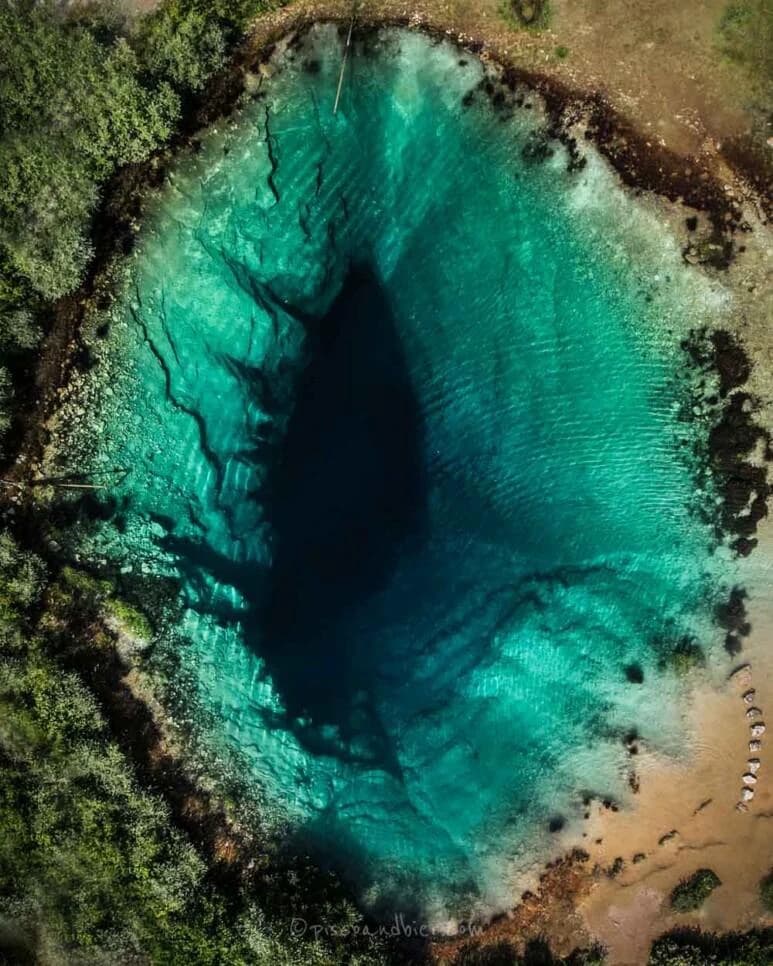
If you're a regular reader of this blog, you'll know that I include adventure activities in every destination guide! If you're itching for a touch of nature with a healthy dose of adrenaline, make sure to include a Cetina River Rafting trip to your Split itinerary! This 3-hour rafting journey begins upstream of the Cetina River, one of the longest in Dalmatia, and the most water-rich in Croatia. Your professional rafting guides will lead you down grade 3 rapids in one of the country's most beautiful regions.
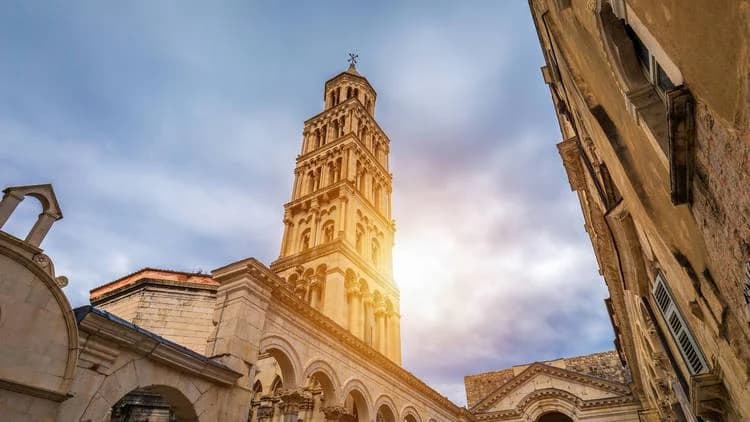
The St. Domnius Cathedral is a 7th-century church that is regarded as the oldest Catholic cathedral in the world that is still in use in its original form. If you're strolling through Split Old Town, it's hard to miss it, as its tower rises higher than all of the other buildings. Perhaps one of the most iconic activities in Split, a climb to the top of the bell tower on the Cathedral of Saint Domnius also offers some of the best panoramic views of the city!
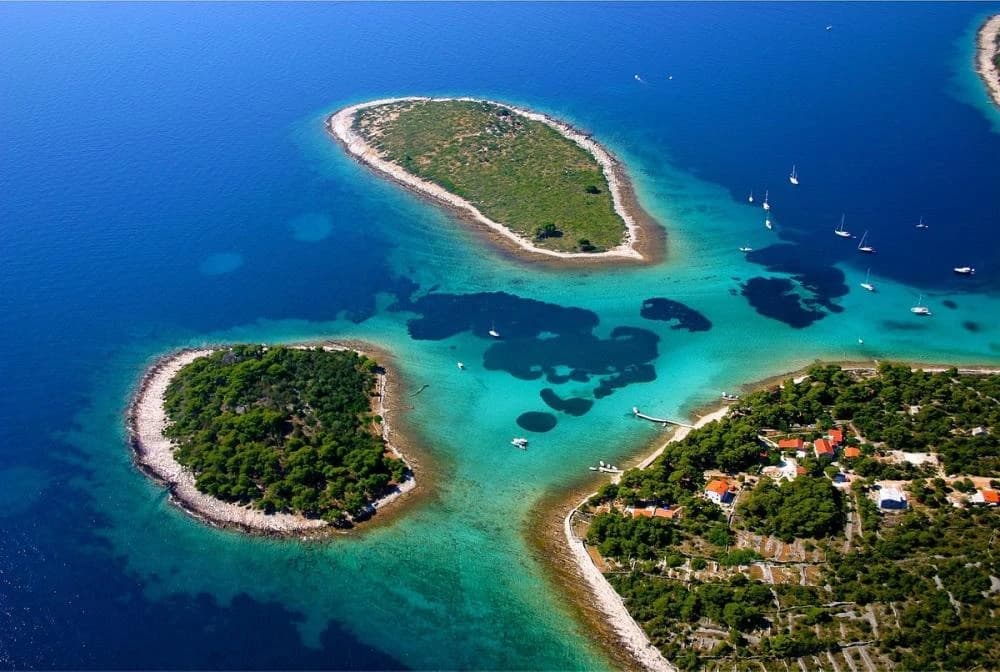
If you ask any Croatian, they'll tell you that there are dozens, if not hundreds of different blue lagoons scattered throughout the islands of Croatia's Dalmatian Coast. However, the official, or at least the most famous Blue Lagoon is located just 14 nautical miles from Split on the small island called Drvenik Veli . As a result, this magical, clear water lagoon is the best place to swim close to Split city! If you rent or charter a speedboat or yacht, you can easily make your own way here, as we did on our first visit. Otherwise, there are plenty of half-day island-hopping trips that visit the beautiful shallow waters of the Blue Lagoon and nearby islands.
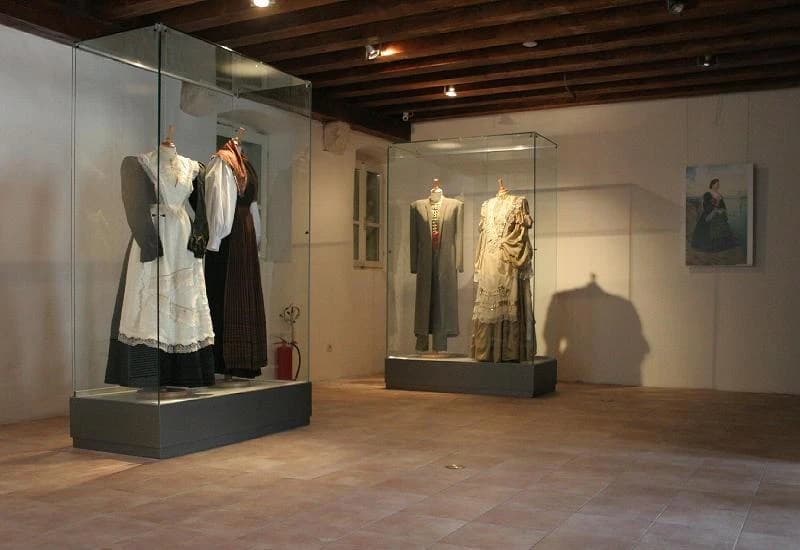
The Ethnographic Museum is one of the most famous museums in the city and the oldest museum of its type in Croatia. Here, travelers can learn about the cultural history of Dalmatia and browse a large collection of folk costumes, weapons, and daily items. You'll find the entrance to this museum right near Diocletian's Palace Vestibule (pictured below). Alternatively, visit the famous archaeological museum, the oldest museum in Croatia (1820), in the nearby Lovret neighborhood.
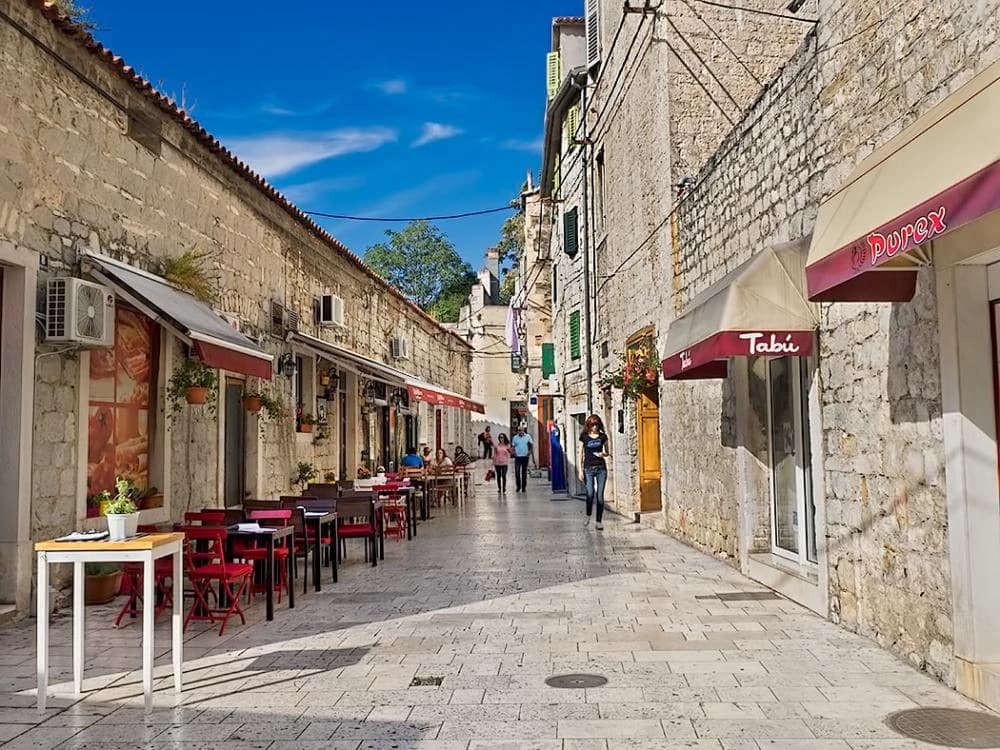
Old Town Split has changed considerably since the days of Diocletian. While its ruins and iconic buildings are the main sites, you'll also find some of the best restaurants, bars, and cafes in this area. That's because Split is one of the only ancient Roman fort cities that is still being used as a residential area!
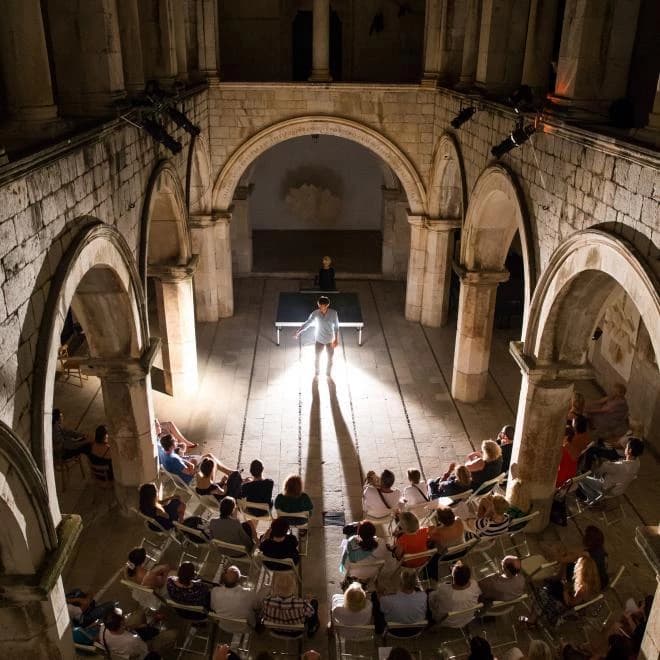
This rectangular palace with a handsome loggia is from the early-1500s and has served as a secular public building since it was built. The atrium within the building’s gate was a place of business for merchants and traders right up to the 20th century, and there’s even an inscription in the arch warning them not to rip each other off. Sponza Palace was also one of the few renaissance buildings to survive the catastrophic earthquake in 1667 unscathed. These days the palace serves as the city archives, holding some 100,000 documents that date from the 10th century.
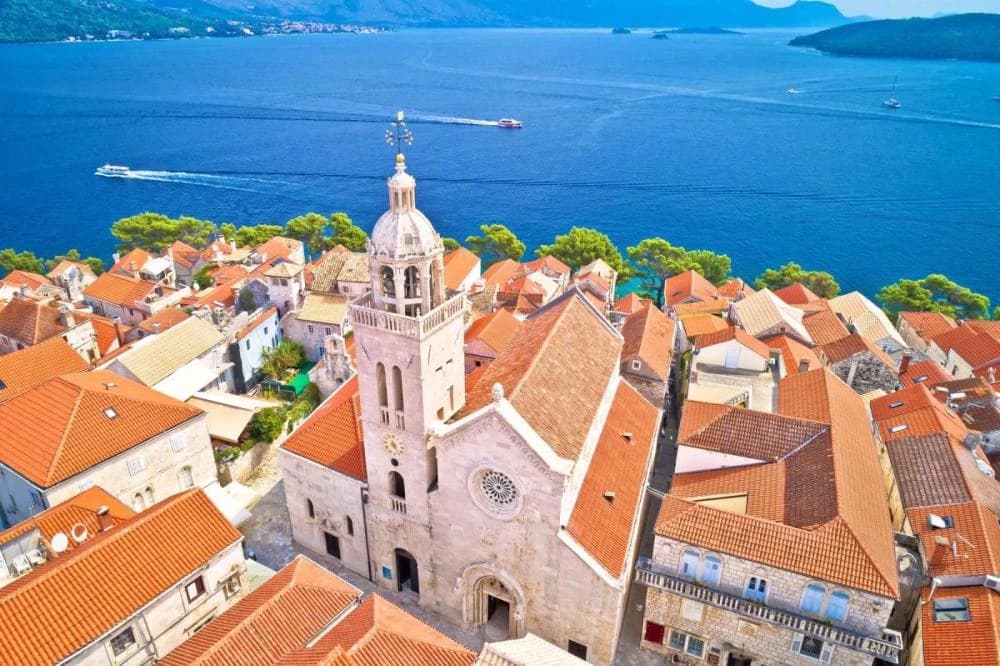
The cathedral is very beautiful and the climb to the bell tower is necessary for you to have a view of Korcula. The climb may not be easy for people with vertigo. But the effort is rewarded with this magnificent view of the old town.
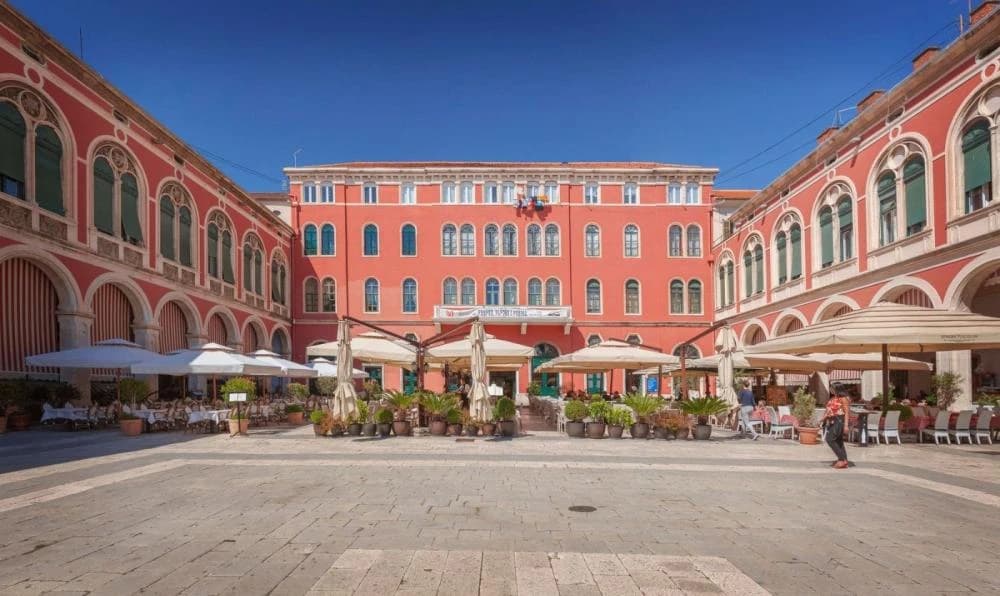
After all those day trips, adventures, and Old Town highlights, one of the most relaxing things to do in Split is to sit back and enjoy a cup of kava (coffee). Republic Square is one of the most popular destinations to do just that. Located at the western end of the Riva near the Vodoskok fountain, this beautiful square resembles the famous St Marks Square in Venice, with similar neo-Renaissance arches. There are several restaurants and small cafes in the square, many offering nice views of the Adriatic Sea.
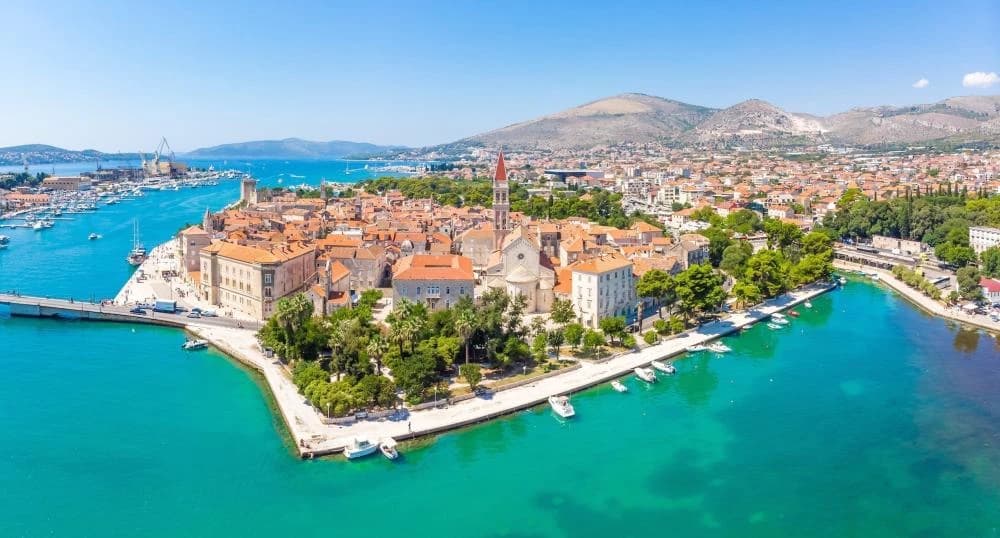
Just 27 kilometers (16 miles) from Split is the tiny, historic island city of Trogir. Famous for its UNESCO World Heritage-listed Venitian architecture, visiting this beautiful walled city is a great way to spend a morning or afternoon in Split. The easiest way to get to Trogir is to visit as part of a Blue Lagoon and 3 Islands trip. However, it's also possible to get here via the local bus number 37. Just keep in mind that this bus leaves from the Sukoisanska bus terminal, which is not the main near the harbor and requires a 1.5 kilometer walk from the city center.
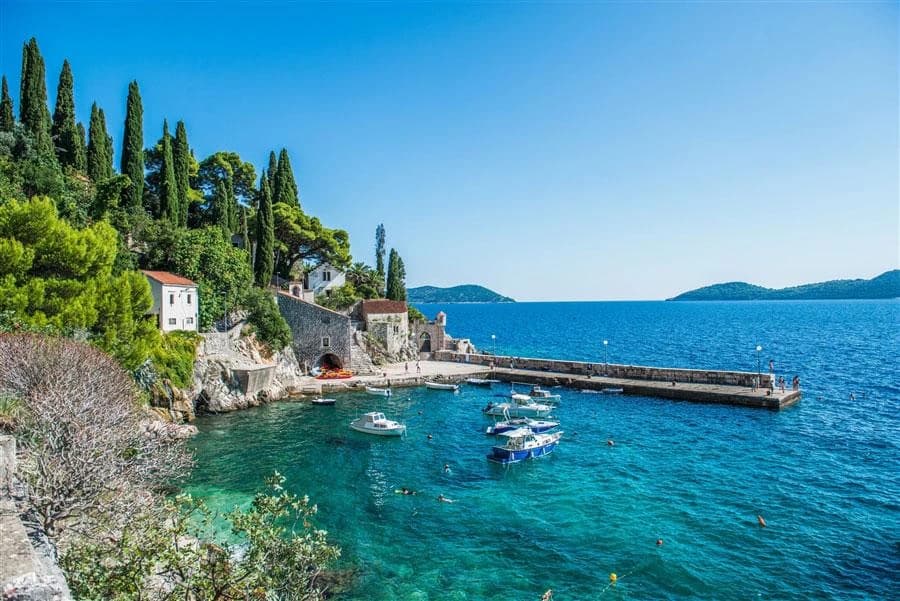
This lovely park on a hillside next to the sea is from the 1400s, making it one of the region’s oldest arboretums. Dubrovnik’s role as a centre of trade furnished the arboretum with tree species from around the world. Take the imperious pair of oriental plane trees here, half a millennium old and unique within Europe. The arboretum is part of an estate from the same period, and is a memorable place for a walk thanks to its sculptures and fountains, and the aqueduct designed to irrigate the park. This was also the shooting location for the Red Keep gardens for (you guessed it!) Game of Thrones in the third and fourth seasons.
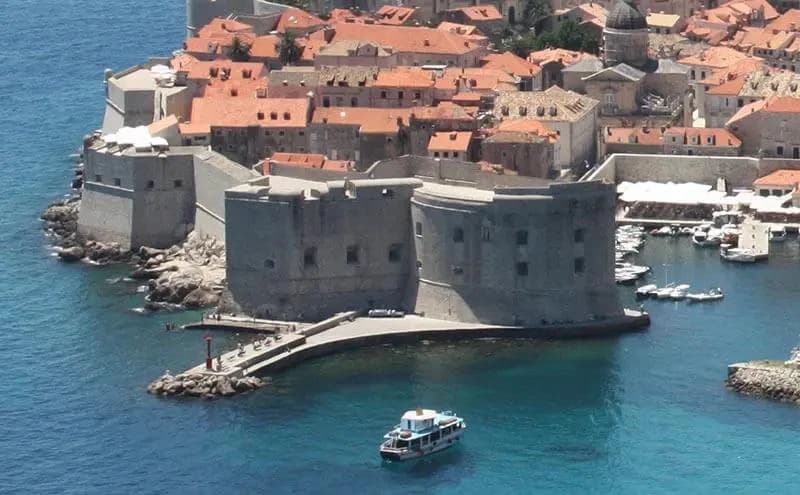
Part of the city walls, St John Fortress is on the southeastern side of the defences protecting Dubrovnik’s port. For hundreds of years Dubrovnik was vulnerable to pirate raids, so they came up with a smart deterrent. When the warning was sent out they’d lift a heavy metal chain that ran from this fortress to the Kase Jetty in the port to damage ships. If you pop inside the tower you can visit a small aquarium on the first floor and then head upstairs to the browse the maritime museum.
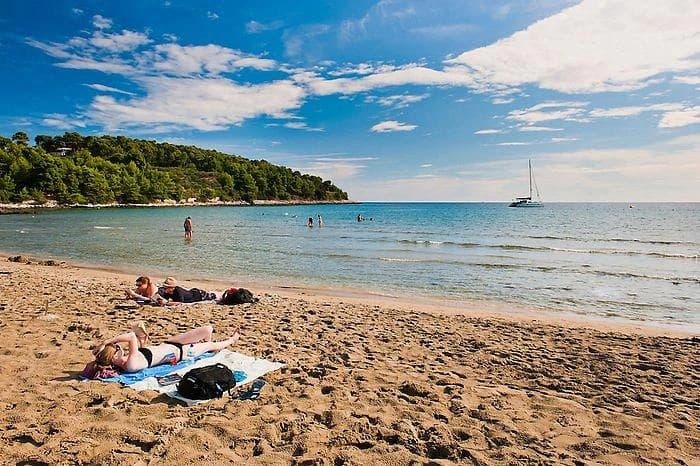
If you are looking for sand, it is one of the few beaches on the island that you should visit. This beach is certainly a bit small and quickly crowded in especially August but the water is translucent and the setting is magnificent. Renting deckchairs and parasols for the day is also possible.
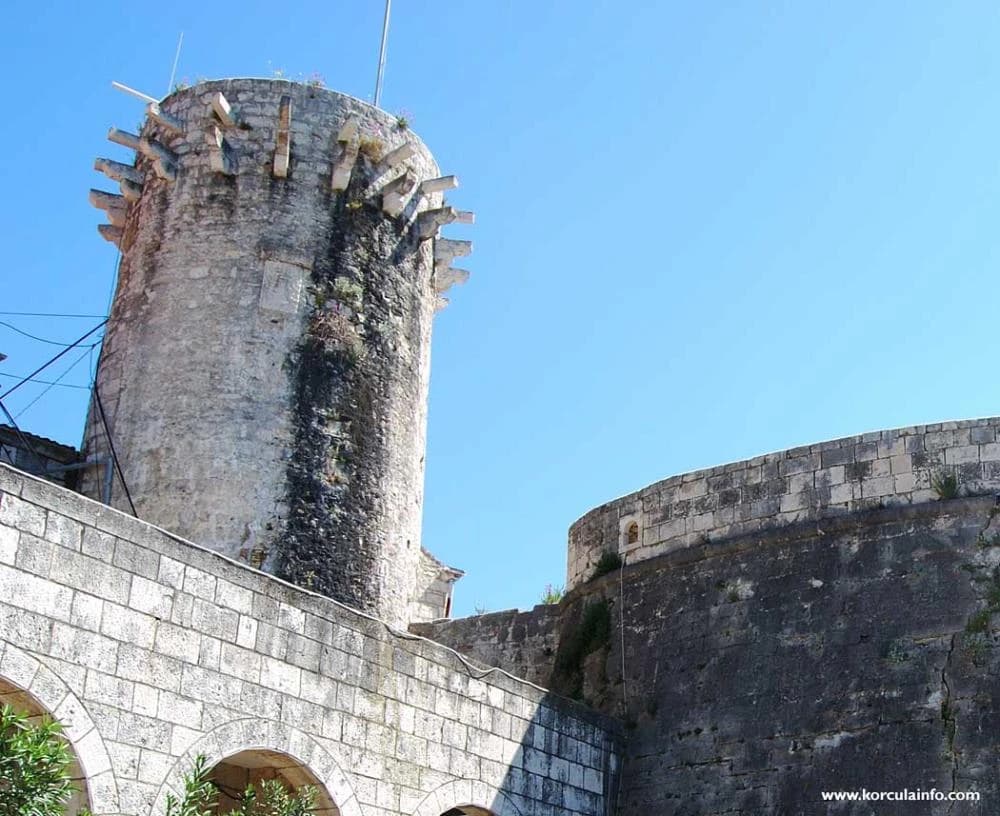
A tower near the beach on the north side of Korcula Island. It has a bar with a very good view, and when you go up the old tower, you would see the view of the sea and the city.
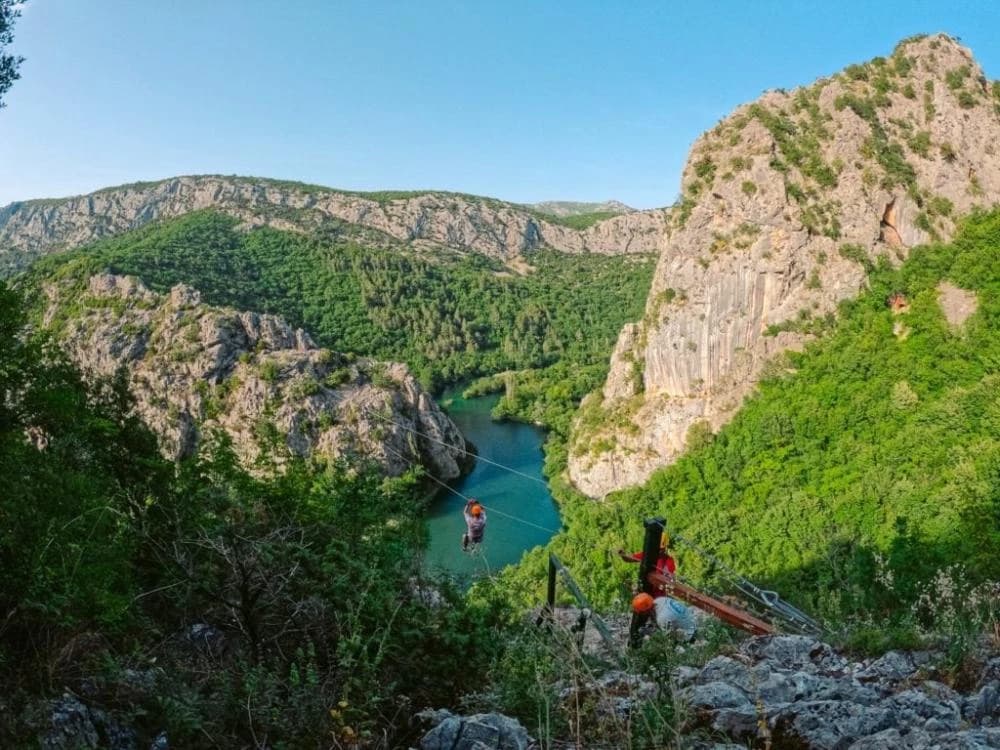
The small coastal town of Omiš, located less than an hour from Split, is one of the best adventure destinations in Europe! Here, you'll find the amazing Cetina Canyon, which is a perfect place for climbing, hiking, kayaking, rafting, paragliding, and pretty much everything else you can think of. I highly recommend that all adventure travelers spend a few nights here.
 pro
proLanguages:
 Hrvatski
 English
Profile verified
 local
localLanguages:
 PortuguêsEnglish
Profile verified
 pro
proLanguages:
Hrvatski Српски
Profile verified
 pro
proLanguages:
HrvatskiEnglishProfile verified
 local
localLanguages:
HrvatskiEnglishProfile verified
 pro
proLanguages:
HrvatskiEnglishProfile verified
 pro
proLanguages:
EnglishProfile verified
 local
localLanguages:
HrvatskiEnglishProfile verified
 local
localLanguages:
EnglishProfile verified
Find private local guides worldwide. Connect with real people, real stories — not just scripted tours





Find a personal guide in just 1 minute and create your dream itinerary!

FindGuide is a platform for finding private and local guides around the world. You can choose a guide in advance who will show you the city from a local perspective, not just the standard tourist route.
Enter the city or country you're interested in into the search bar, choose a guide you like, and send them a request. All bookings are made directly on the platform.
We offer walking, food, historical, driving, private, and family tours in more than 100 destinations.
Yes, all guides go through moderation and verification. You can read reviews from other travelers, check the guide’s rating, and view their profile with photos and experience descriptions.
Tour prices vary depending on the destination, duration, and format. You see the cost upfront — no hidden fees.
Yes, the app is completely free for tourists. You can place your tour requests for local guides and access expert travel content totally free of charge.


