
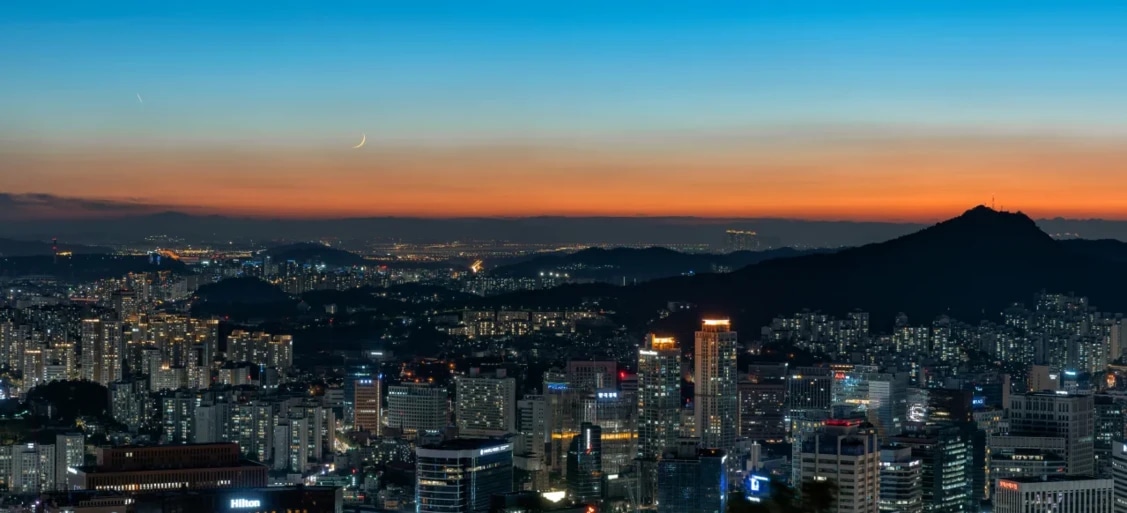
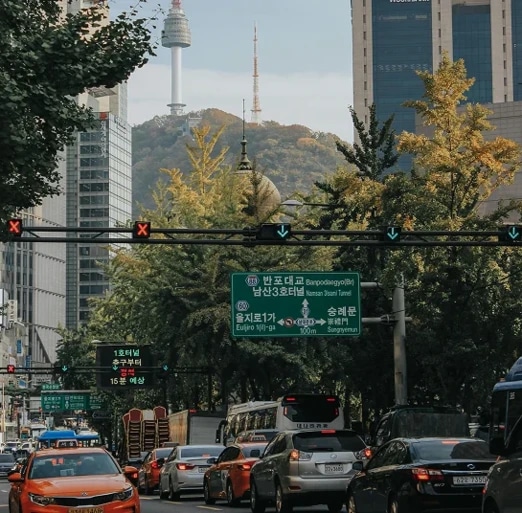
Explore the best of Seoul with a private guide. Visit majestic Gyeongbokgung Palace, stroll through trendy Insadong and Myeongdong, and experience the mix of ancient traditions and cutting-edge modern life. Personalized tours uncover hidden gems, authentic flavors, and unforgettable moments in Korea’s dynamic capital.
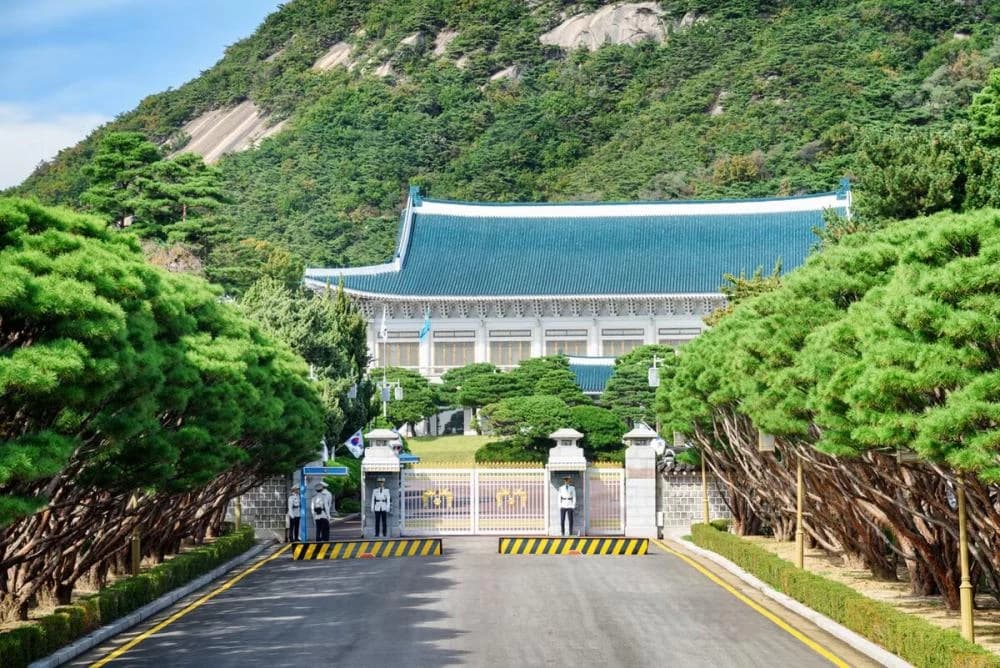
The Blue House, which got its name from the color of its roofs, is known to Koreans as Cheong Wa Dae. It has been the president’s official residence and office since 1948, when this small Asian country held its first democratic elections. Before 1960, the Blue House was called Gyeong Mu Dae, which means the “Capital Pavilion” in Korean. It has been the seat of government for centuries. Because every South Korean president lived here, The Blue House was always pretty closed off to the public. The new President Yoon Suk-Yeol, who was elected in 2022, decided not to live there and opened the residence up to the public. The presidential office, reception hall, and conference room are located in Cheongwadae's main building. The residence's grounds have a pond and gardens that reach to the foot of Bugaksan Mountain. It could be that this tourist attraction is limited to this president’s 5-year term though, so you should go see it while you can!
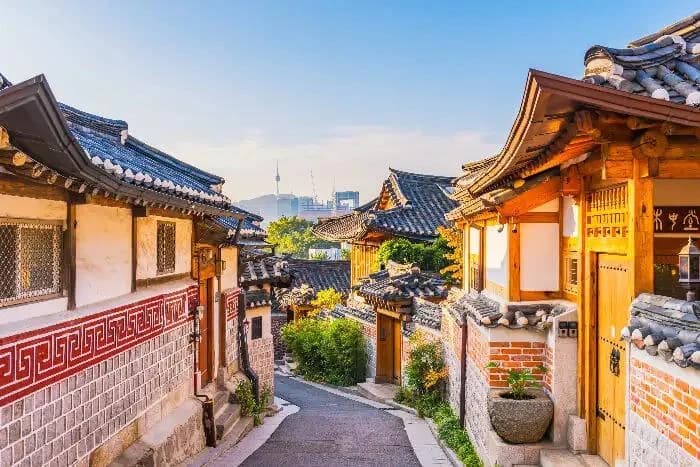
Located in Seoul, the Bukchon Hanok Village is situated at the tip of a hill which is surrounded by Jongmyo Royal Palace, Gyeongbok Palace, and Changdeok Palace. It is a traditional village that is filled with a lot of Hanoks – traditional Korean houses as well as alleys. It depicts a 600 year old urban colony and is preserved with painstaking care. In the Korean language, Bukchon literally means a northern village.. The Bukchon area is said to have five neighborhoods – Jae-dong, Gye-dong, Insadong, Gahoe-dong, and Wonseo-dong. These neighborhoods were the homes of the nobility and high-ranking bureaucrats. Bukchon Hanok Village has a lot of cultural centers and museums that showcase the culture of the Joseon Dynasty. It’s a unique display of the dynasty's architecture and way of life. One of the main attractions in Seoul it also offers juxtaposition between modern and traditional aspects of the city.
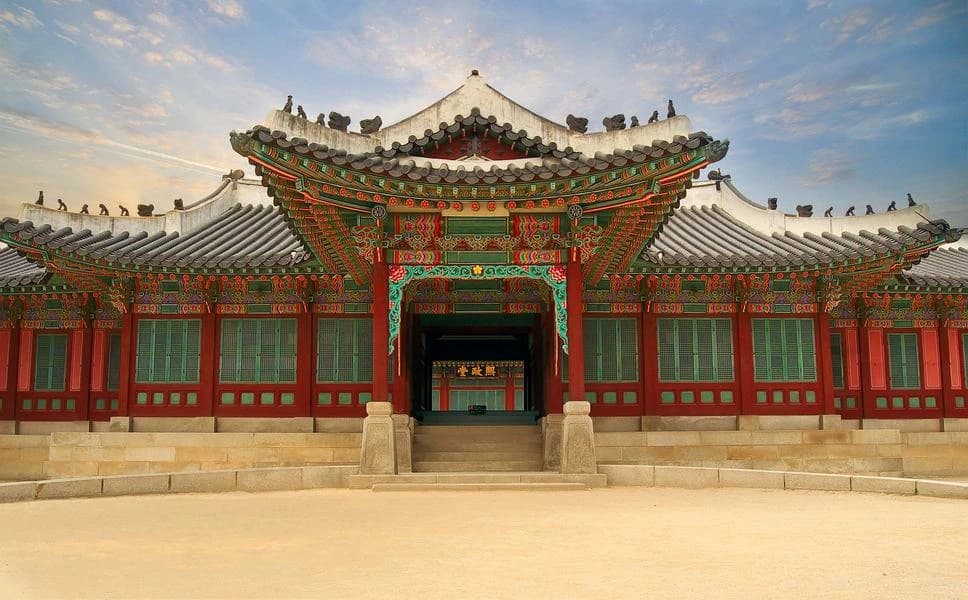
Changdeokgung Palace is a UNESCO World Heritage Site, one of the most significant Korean landmarks, and the most well-preserved of the 5 royal palaces in South Korea. The complex is also known as Donggwol (the Eastern Palace), as it’s located east of Gyeongbokgung Palace, at the foot of Ungbong Peak of Mount Baegaksan. It served as the principal palace of many Joseon kings for over 250 years. The palace features authentic Korean structures that have remained intact since 1405 – must-sees include the Oejo royal court, Chijo administrative quarters, and the Chimjo residence of the royal family. One of Changdeokgung Palace’s most unique structures is the Huwon Secret Garden, which was used for leisure and banquets by members of the royal family. Covering about 60% of the palace grounds, this rear garden has elegant pavilions with views of over 56,000 plants and trees, intricate stone carvings, a lily pond, and a tree that’s over 300 years old.
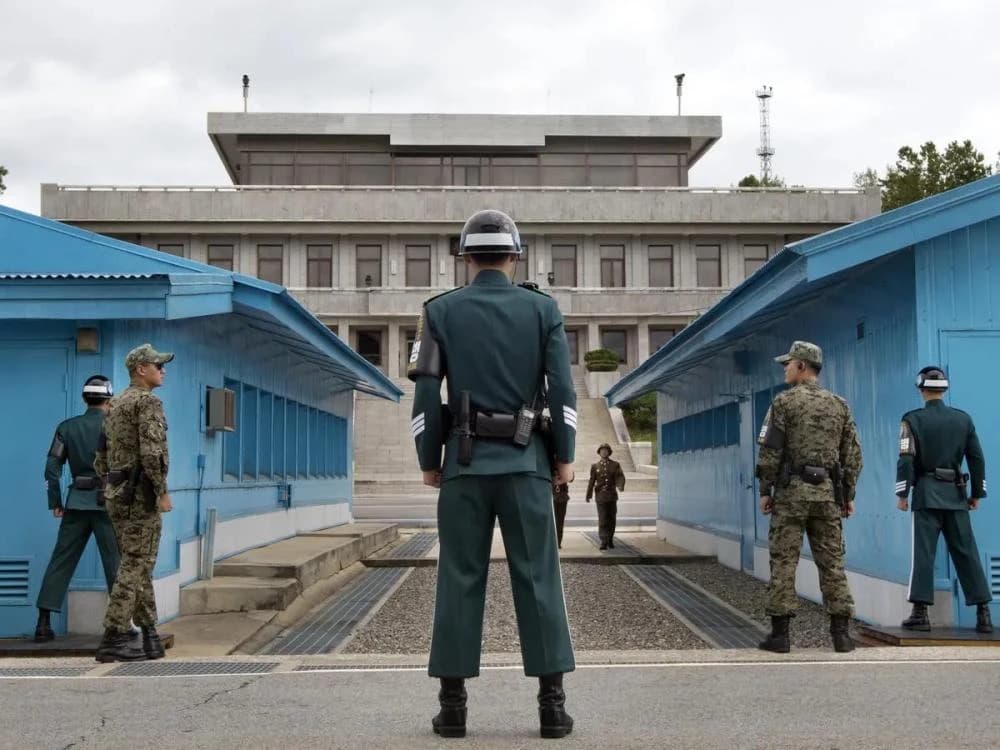
The 4 km-wide, 240km-long buffer known as the Demilitarized Zone (DMZ) slashes across the peninsula, separating North and South Korea. Lined on both sides by tank traps, electric fences, landmines and armies in full battle readiness, it's a sinister place where the tension is palpable. Surreally, it's also a major tourist attraction, with several observation points allowing you to peek into the Democratic People's Republic of Korea (DPRK; North Korea). For history buffs and collectors of weird and unsettling experiences, a visit here is not to be missed. The place most visitors want to go is the Joint Security Area (JSA), 55 km north of Seoul, where North and South meet at the truce village of Panmunjom – there’s nowhere else in South Korea where you can get so close to DPRK soldiers without being arrested or fired at.
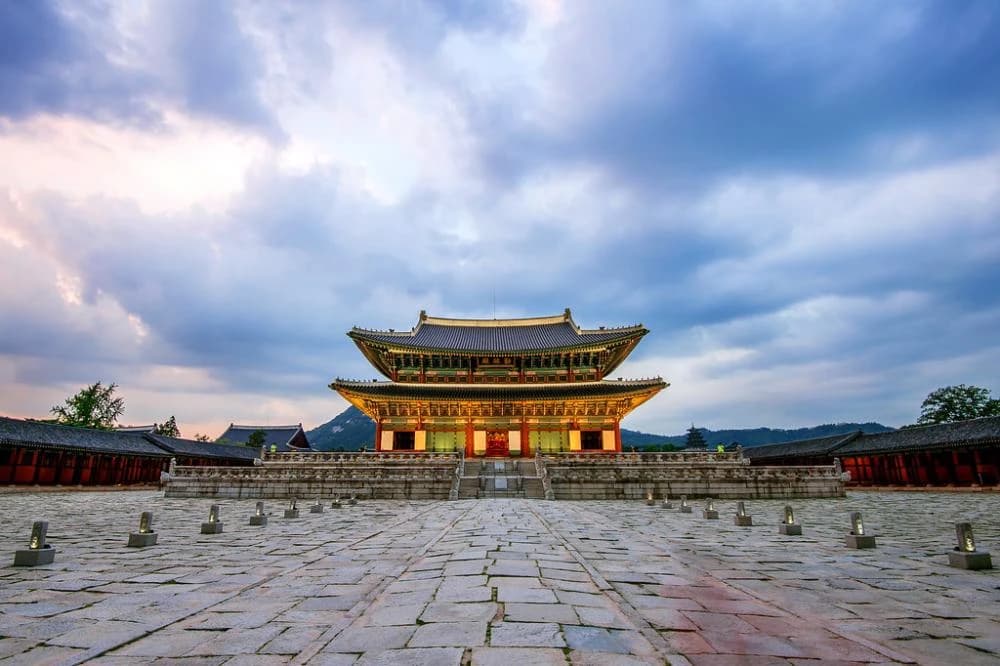
Gyeongbokgung Palace is the largest and most striking of the 5 grand palaces built during the Joseon dynasty. Built in 1395 by King Taejo, this iconic landmark lets you experience life in Joseon-era Korea via free guided tours, re-enactments of royal rituals, and extensive displays of artifacts and period costumes. It’s also known as the Northern Palace, thanks to its location furthest north compared to the neighboring Changdeokgung (Eastern Palace) and Gyeongheegung (Western Palace). As the main royal palace in South Korea between 1592 and 1598, there are over 300 buildings within the complex, including The National Folk Museum and The National Palace Museum. You can explore the palace grounds and marvel at remnants of the Joseon Dynasty, including the Gyeonghoe-ru Pavilion, Hyangwonjeong Pond, and sculptures of Geunjeongjeon (The Royal Audience Chamber), all of which remain relatively intact.
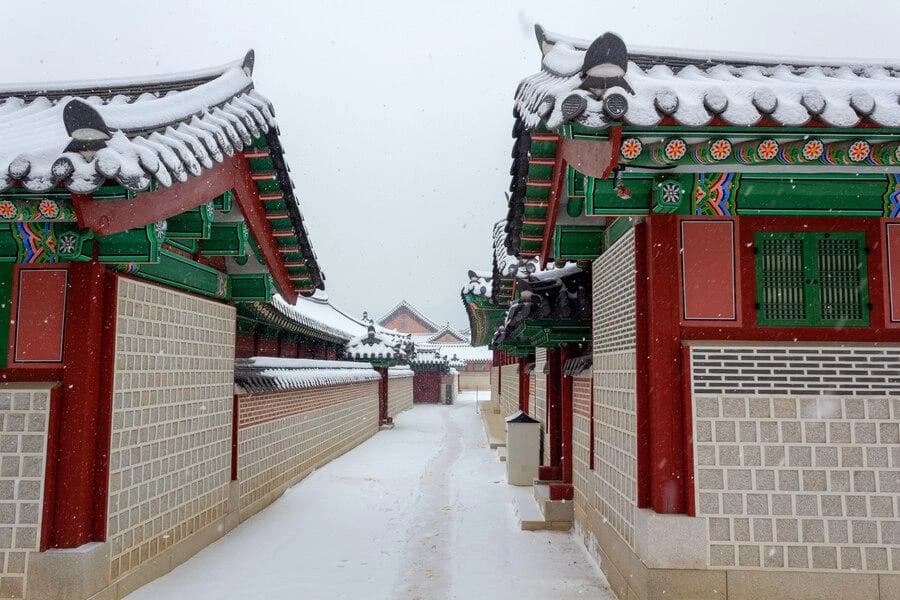
The National Folk Museum of Korea displays the culture and folk history of the Korean people from prehistoric times to the end of the Joseon Dynasty. Since its establishment, the museum has dedicated itself to studying and researching the folk history of Korea, and collecting artifacts from different Korean regions in order to pass on an insight into the lifestyle and culture of Koreans. The museum achieves this by offering visitors various seminars, exhibitions, performance art, concerts and hands-on activities. Located on the grounds of Gyeongbokgung Palace, the National Folk Museum of Korea is well known for its beautiful architecture. The building was constructed in the traditional Korean style comprising several stories with a pagoda on top. The three main exhibition halls at the museum cover different aspects of Korean life, as well as displaying various local costumes, musical instruments and festivals.
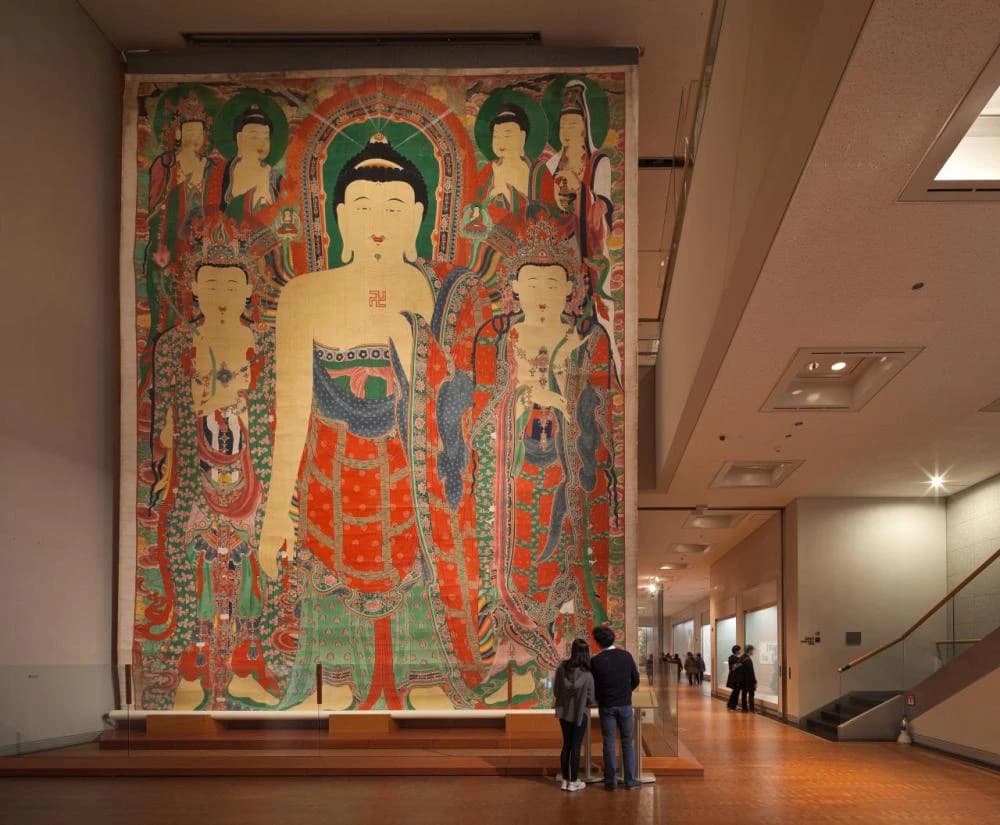
The National Museum of Korea is the most representative and extensive museum in the Republic of Korea. The museum holds an immense collection: it has more than 310,000 historically valuable and highly aesthetic relics ranging from the Paleolithic Age to the early 20th century, and more than 12,000 masterpieces of its collection are always on display in its permanent exhibition hall. The museum has six galleries: Prehistory and Ancient History, Medieval and Early Modern History, Donated works, Calligraphy and Painting, Asian Art, and Sculpture and Crafts Galleries. The National Museum of Korea was established in 1945. In 2005, the museum extended and reopened on a site of 307,227㎡ in Yongsan, Seoul. Since its rebirth as a “cultural complex,” the National Museum of Korea not only preserves and exhibits precious relics, but also provides various educational programs and cultural events.
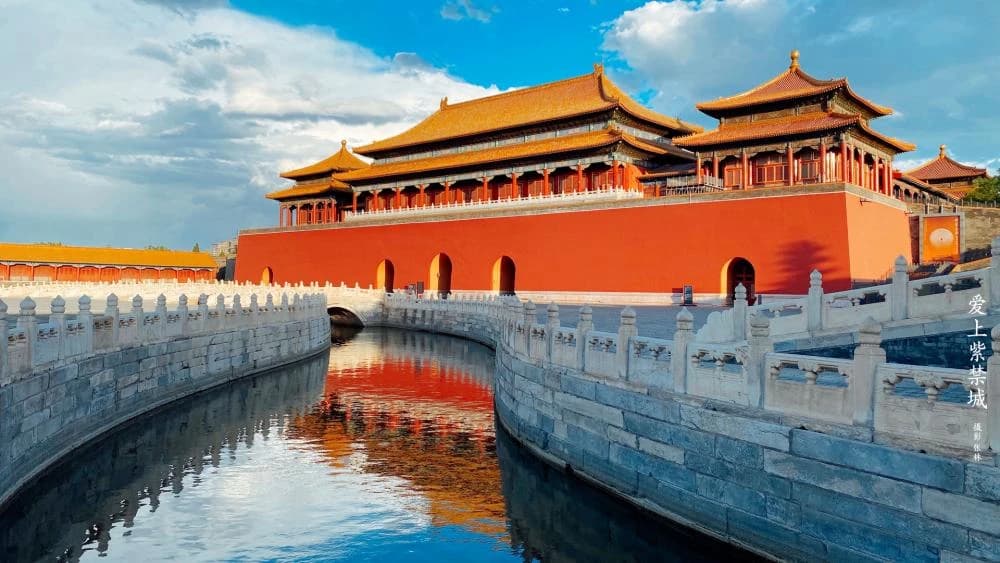
The National Palace Museum of Korea showcases 500 years of history with roughly 45,000 artifacts from the Joseon Dynasty. Artifacts on display include texts and poems that were handwritten by kings of the past, robes worn by royalty, jewelry, and other items from the royal courts of Korea. Highlights from the museum collection are many, one highlight is the royal vehicle of Emperor Sunjong, the last king of the Joseon Dynasty. Another highlight of the collection is the rain gauge pedestal. The rain gauge pedestal was an invention that dated back to the Joseon era. The museum also offers a learning program called "Experiencing Royal Culture;" the program is suitable for people of all ages. Spend time at the National Palace Museum of Korea to experience and learn about the grandeur and history of Korea's royalty.
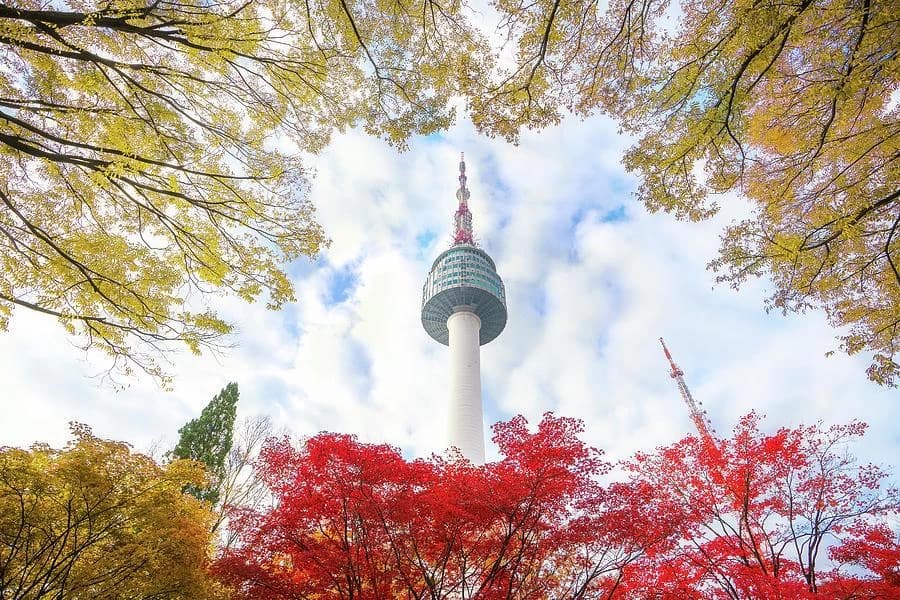
N Seoul Tower, also commonly known as Namsan Tower, is an iconic Seoul landmark that provides bird’s-eye views of the city. It is both an observation and communication tower located at the top of Namsan Mountain in the geographical center of the city. Measuring 777 feet from its base to its top and sitting at the summit of the 797-foot-tall Namsan Mountain, N Seoul Tower rises approximately 1,574 feet above sea level. It is the highest point in Seoul, offering 360-degree views of the entire city. Construction on Namsan Tower began back in 1969 and the tower began broadcasting in 1971. It wasn’t until 1975 that the famous observatory was built and 1980 that the tower was opened to the public. By the year 2001, Namsan Tower had already received over 20 million visitors. In 2005, the tower’s name was changed to N Seoul Tower, with the “N” meant to stand for “Namsan,” “new,” and “nature.”
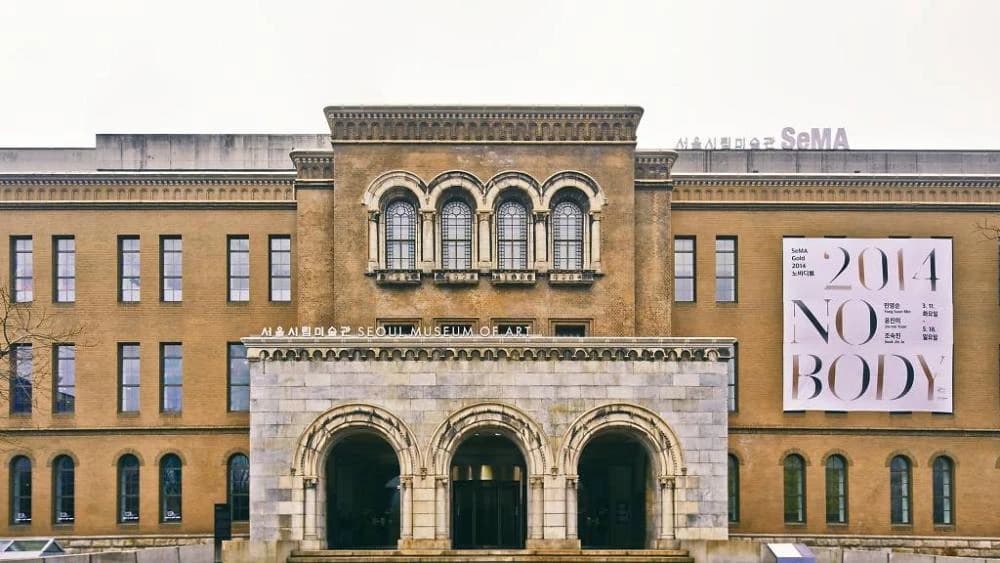
The Seoul Museum of Art (SeMA) opened in 1988 and has earned a reputation as one of Korea’s leading art venues with a series of world-famous exhibitions. Situated in the center of Seoul, its convenient location and outstanding collections attract large numbers of locals and tourists. The specially-designed building attracts not only tourists but also artists and even movie directors, some of whom have used the location for filming. Since it was established in 1988, the main museum building has been relocated to Seosomun-dong in Seoul. The museum has a variety of annexes such as SeMA Gyeonghuigung, located on the historic site of Gyeonghuigung Palace, and the Nam Seoul Annex Building, which is situated in a building that was once the Belgian Embassy. The museum also runs the Naji Art Studio which offers workshops and financial support to new generations of Korean artists to nurture their creativity.
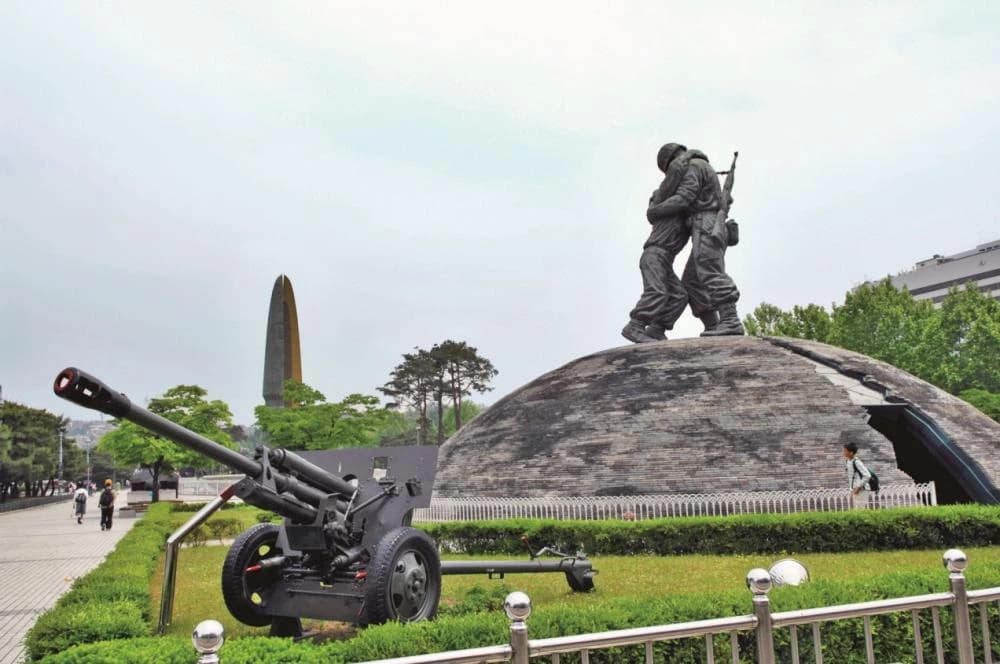
The War Memorial of Korea, located in Yongsan-gu, Seoul, exhibits and preserves materials related to the Korean War and serves as a national moral educational venue. It was established on June 10, 1994 by the War Memorial Service Korea Society to commemorate the noble sacrifice of patriotic martyrs. The museum houses approximately 33,000 artifacts with about 10,000 on display at indoor and outdoor exhibitions. There are six separate indoor halls, including Expeditionary Forces Room, Patriotic Memorial Room, War History Room, 6·25 Korean War Room, Development Hall and Large Machinery Room. The outdoor exhibition showcases large-sized weapons. Visitors of all ages from children to adults can also participate in 20 various educational programs and diverse cultural events such as military music and honor guard events, drawing contests, cultural events and more. The character of the War Memorial of Korea is ‘Mudori’ featuring a helmet symbolizing the protection of the nation and a bay leaf meaning peace.
 pro
proLanguages:
 한국어
한국어 English
Profile verified
 local
localLanguages:
한국어EnglishProfile verified
 local
localLanguages:
English Français
Profile verified
 pro
proLanguages:
한국어EnglishProfile verified
 local
localLanguages:
EnglishProfile verified
 local
localLanguages:
한국어 日本語
日本語Profile verified
 pro
proLanguages:
한국어日本語Profile verified
 pro
proLanguages:
EnglishProfile verified
 local
localLanguages:
한국어EnglishProfile verified
 pro
proLanguages:
한국어EnglishProfile verified
 local
localLanguages:
 Bahasa IndonesiaEnglish
Profile verified
 pro
proLanguages:
한국어EnglishProfile verified
 local
localLanguages:
한국어日本語Profile verified
 local
localLanguages:
한국어 हिन्दी
Profile verified
 local
localLanguages:
한국어EnglishProfile verified
 local
localLanguages:
EnglishProfile verified
 local
localLanguages:
한국어EnglishProfile verified
 local
localLanguages:
한국어 中文
中文Profile verified
 pro
proLanguages:
日本語 ไทย / Phasa Thai
Profile verified
 local
localLanguages:
한국어日本語Profile verified
Find private local guides worldwide. Connect with real people, real stories — not just scripted tours





FindGuide
09.04.2026
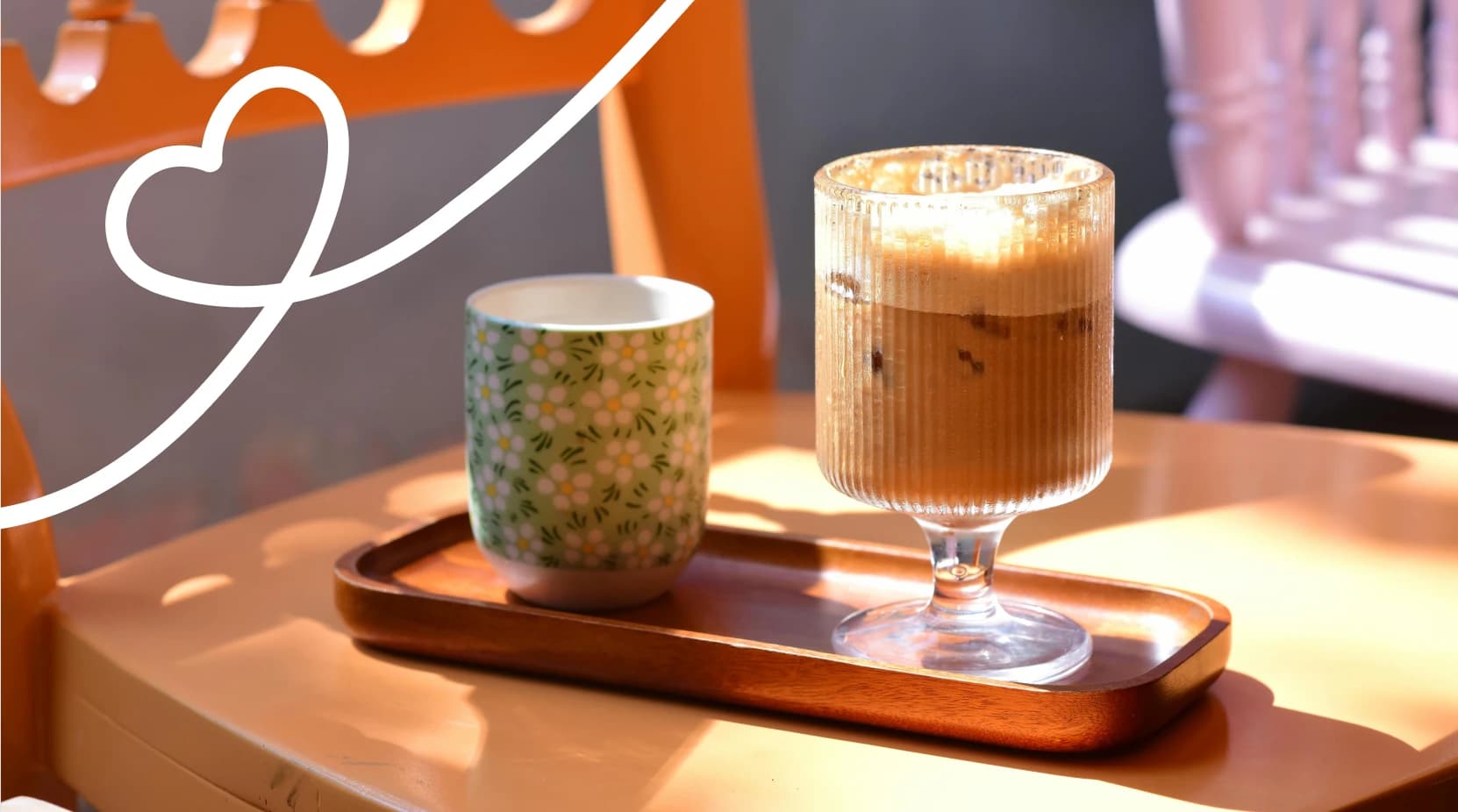
Best cafes in Seoul guide with top coffee shops, popular dessert cafes, brunch spots, and must visit places to eat and drink in Seoul for travelers and coffee lovers.
FindGuide
27.03.2026
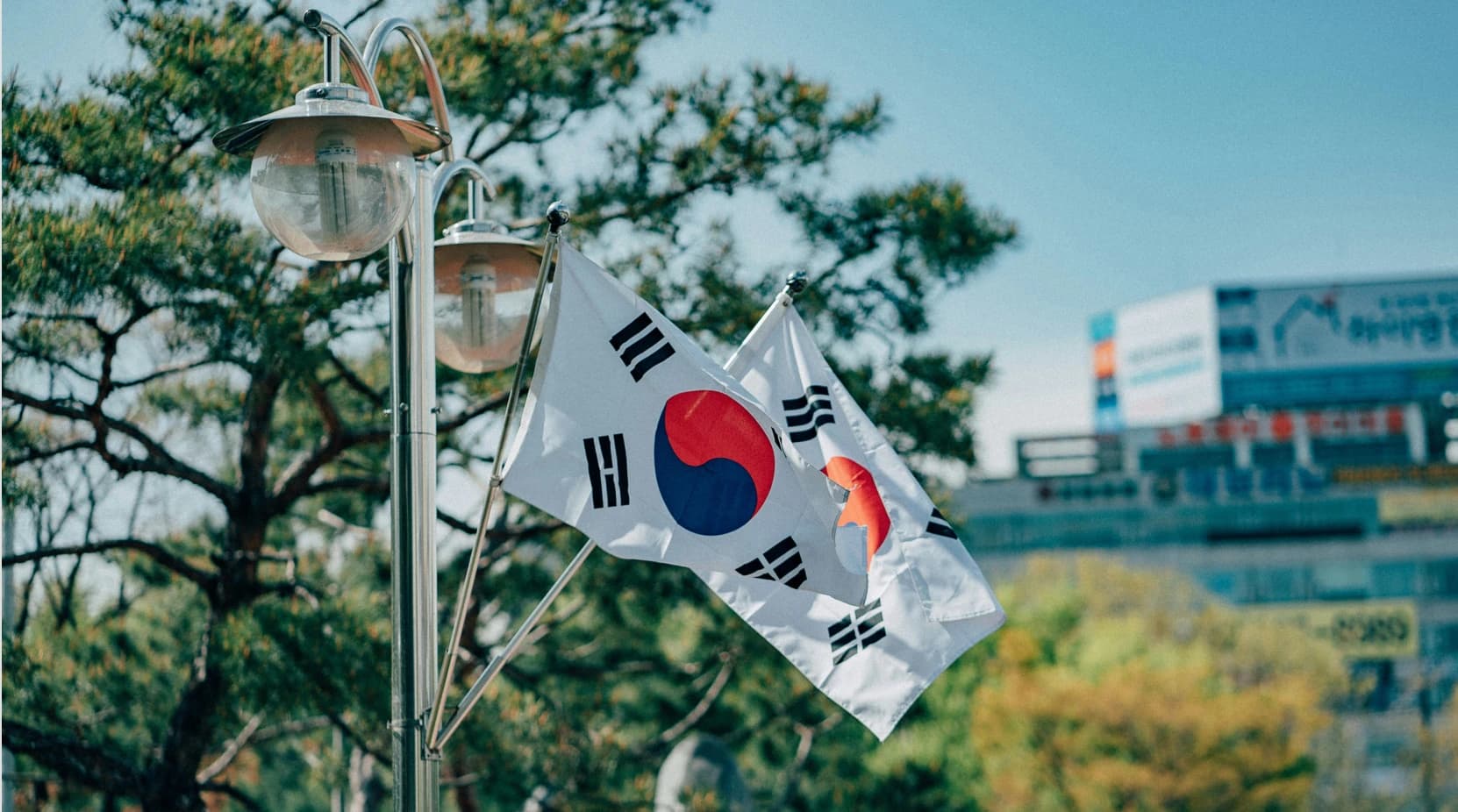
Best time to visit South Korea based on weather, cherry blossoms, fall foliage, and travel seasons. A simple month by month guide for planning a trip to Seoul, Busan, and Jeju.
Kean Park
20.08.2025
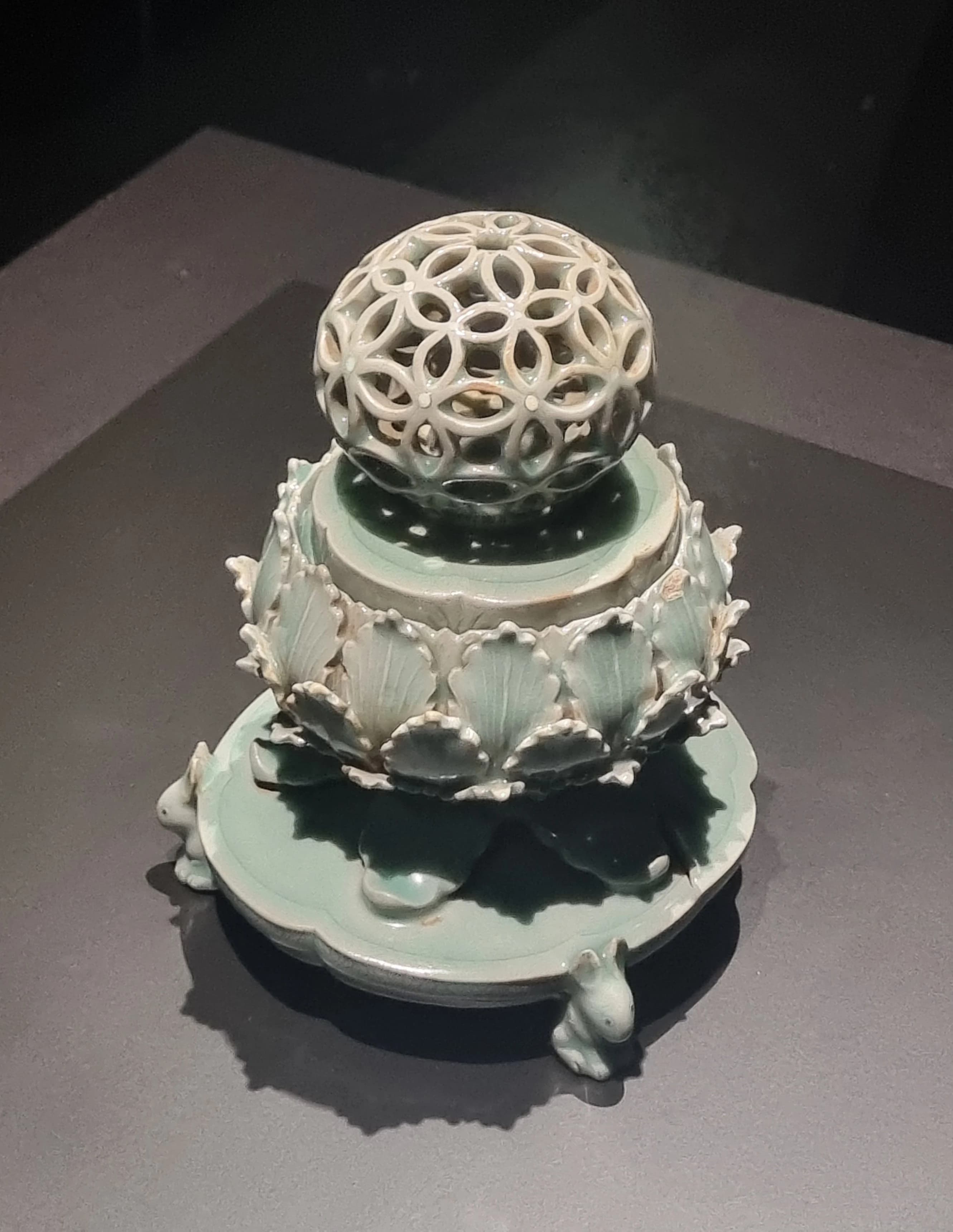
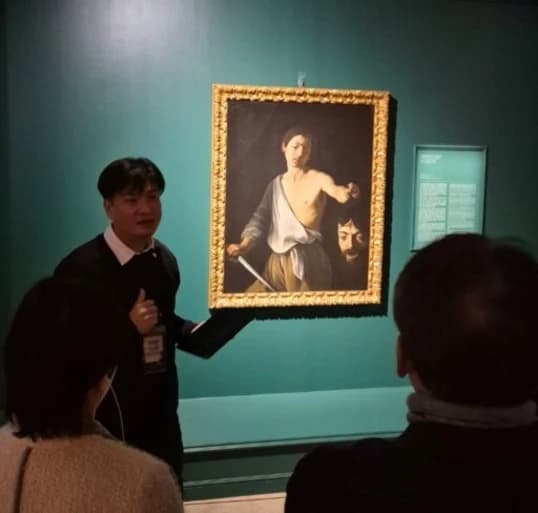
Korea has a history of five thousand years. Here at the national museum of Korea, you can see precious artifacts that have accompanied this long history from prehistoric times to the present. Let’s get inside.
Kean Park
13.08.2025
The new Netflix movie K-Pop Demon Hunters is taking the world by storm. Plus, the movie’s OSTs are topping the Billboard charts. However, do you know where the story takes place? That’s Seoul! First, let me give you a quick introduction to the movie.
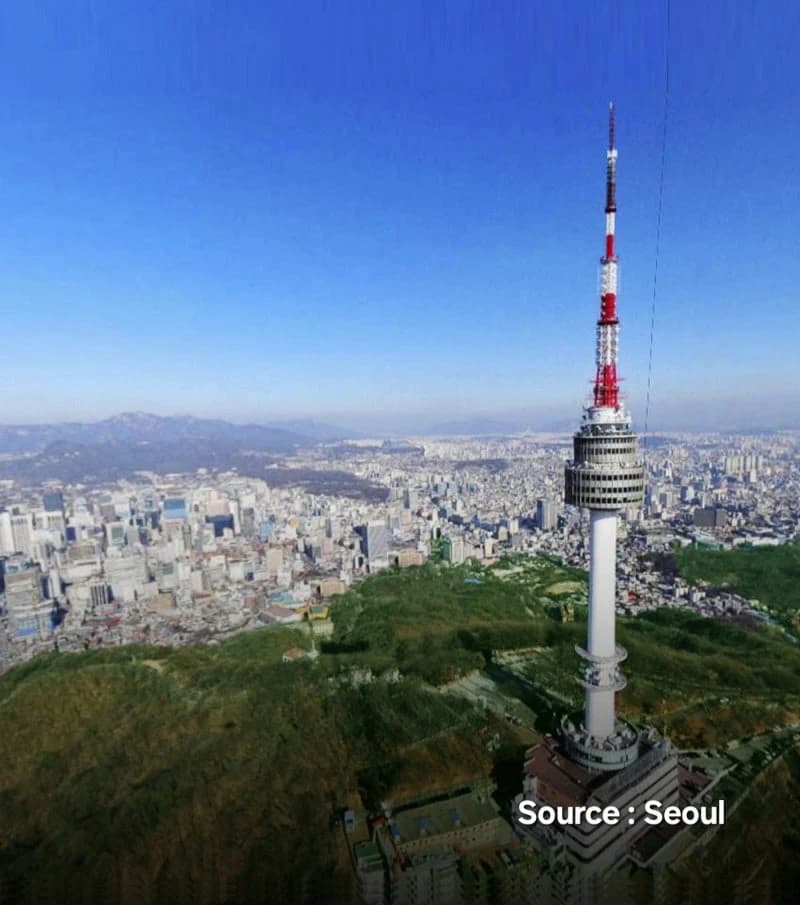
Namsan and Seoul Tower are symbols of Seoul and often appear in the movie. In the Joseon Dynasty, Seoul was surrounded by four mountains and Namsan was the southern mountain of the old city. At 270 meters high, it’s one of the most popular hiking spots for locals. You can take a cable car to the top, where you can enjoy a panoramic view of the city and see countless love locks left by couples. At the Seoul Tower, you can also have a memorable meal in the 360-degree revolving restaurant while taking in the beautiful night view of Seoul.
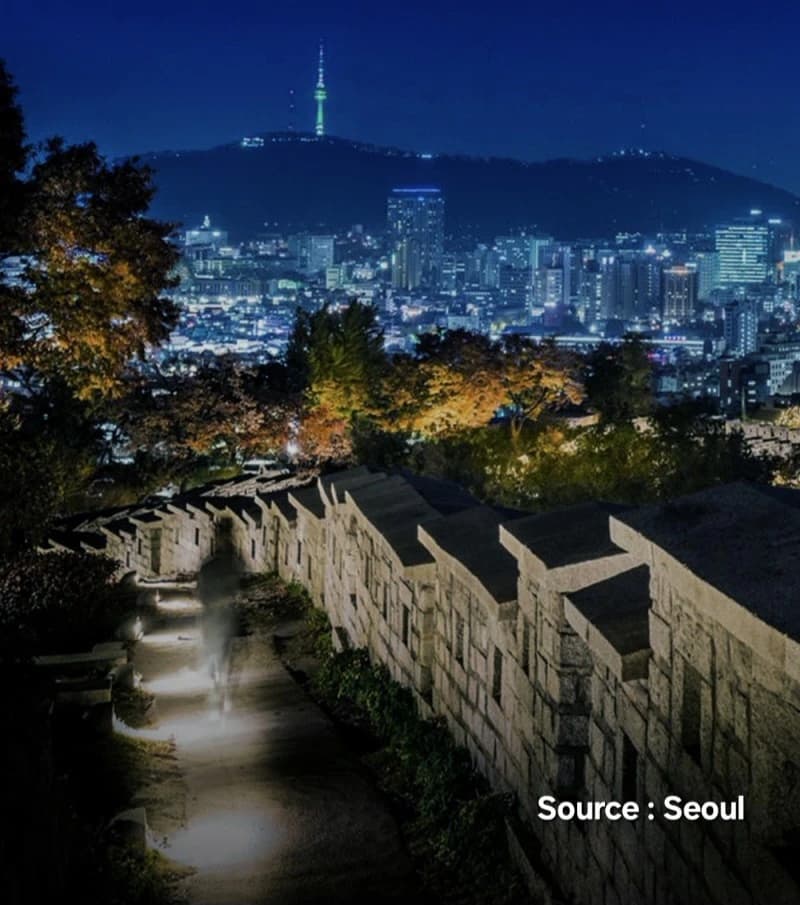
Naksan Park is where Lumi from the Demon Hunters girl group Huntrix meets Jinwoo from the Demon boy group Saja Boys in the movie. In the Joseon Dynasty, Naksan was the eastern mountain of Seoul, and you can still see the old city wall built along its ridge. At only 124 meters high, it’s an easy hike for locals, and at night, when the lights come on, it turns into a romantic date spot. The area is filled with vintage cafés with great views, and nearby, you can take photos in front of colorful street murals at Ihwa Mural Village.
Find a personal guide in just 1 minute and create your dream itinerary!
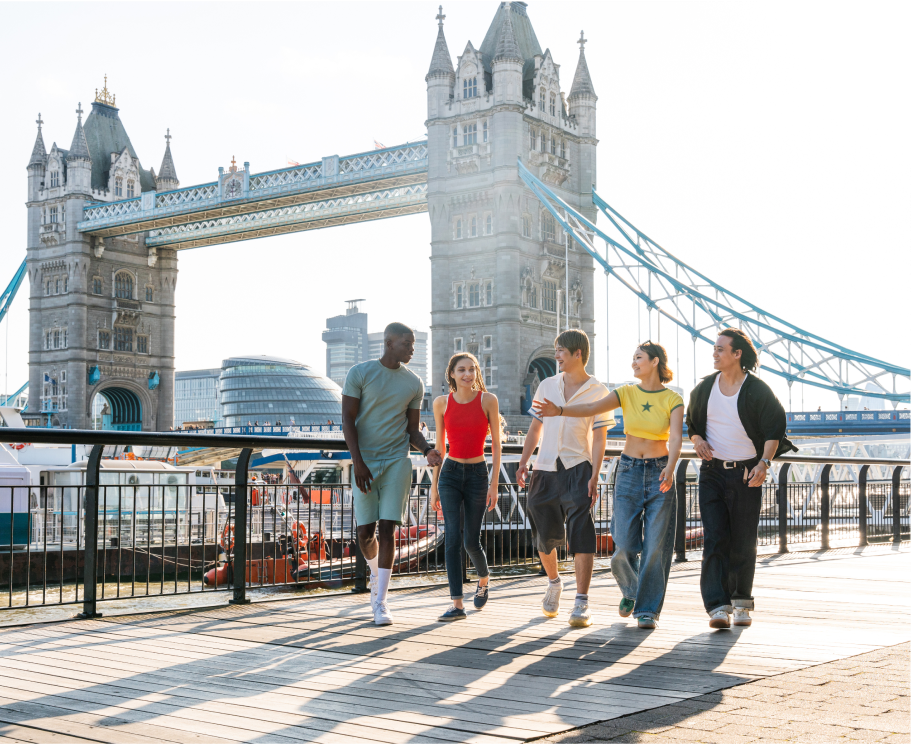

FindGuide is a platform for finding private and local guides around the world. You can choose a guide in advance who will show you the city from a local perspective, not just the standard tourist route.
Enter the city or country you're interested in into the search bar, choose a guide you like, and send them a request. All bookings are made directly on the platform.
We offer walking, food, historical, driving, private, and family tours in more than 100 destinations.
Yes, all guides go through moderation and verification. You can read reviews from other travelers, check the guide’s rating, and view their profile with photos and experience descriptions.
Tour prices vary depending on the destination, duration, and format. You see the cost upfront — no hidden fees.
Yes, the app is completely free for tourists. You can place your tour requests for local guides and access expert travel content totally free of charge.


