
Explore the wonders of Luxor with a private guide. Walk through the legendary Valley of the Kings, marvel at Karnak and Luxor Temples, and cruise the Nile at sunset. Uncover hidden stories of ancient Egypt and enjoy a personalized journey through the world’s greatest open-air museum.
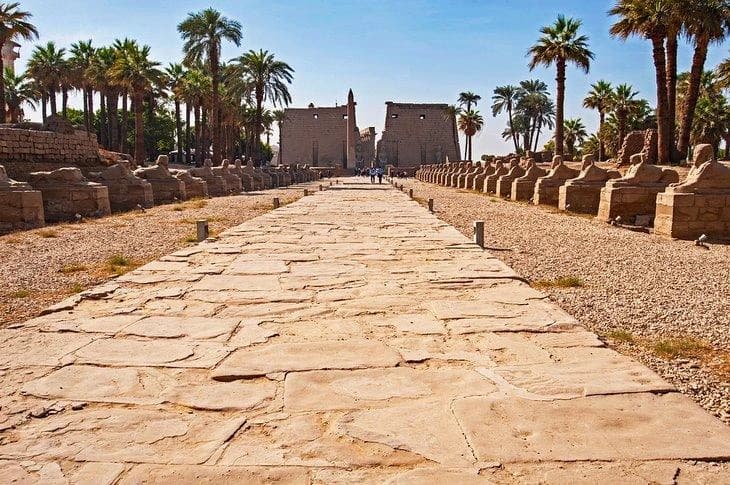
Avenue of Sphinxes or The King's Festivities Road, also known as Rams Road is a 2.7 km (1.7 mi) long avenue (dromos) which connects Karnak Temple with Luxor Temple having been uncovered in the ancient city of Thebes (modern Luxor), with sphinxes and ram-headed statues lined up on both .
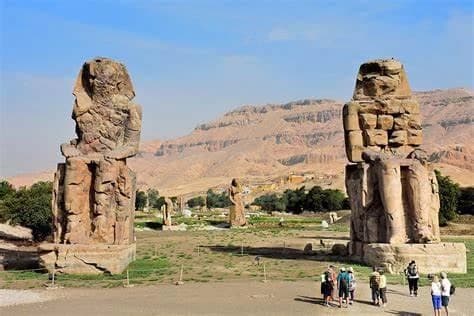
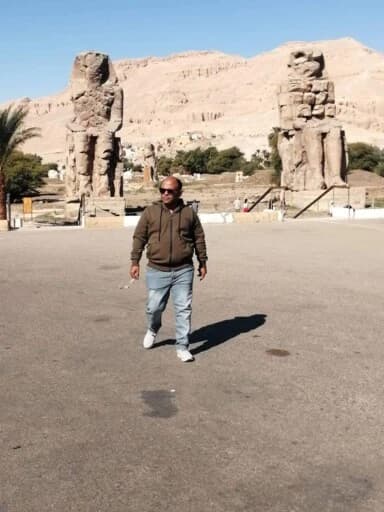
The Colossi of Memnon (Arabic: el-Colossat or es-Salamat) are two massive stone statues of the Pharaoh Amenhotep III, which stand at the front of the ruined Mortuary Temple of Amenhotep III, the largest temple in the Theban Necropolis. They have stood since 1350 BC, and were well known to ancient Greeks.
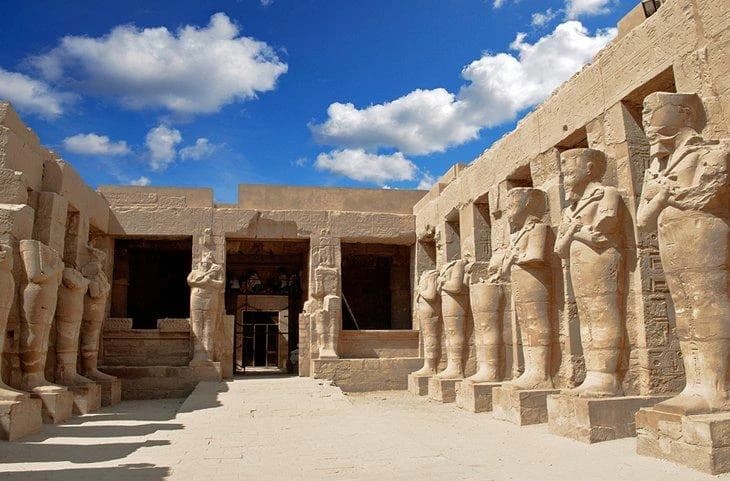
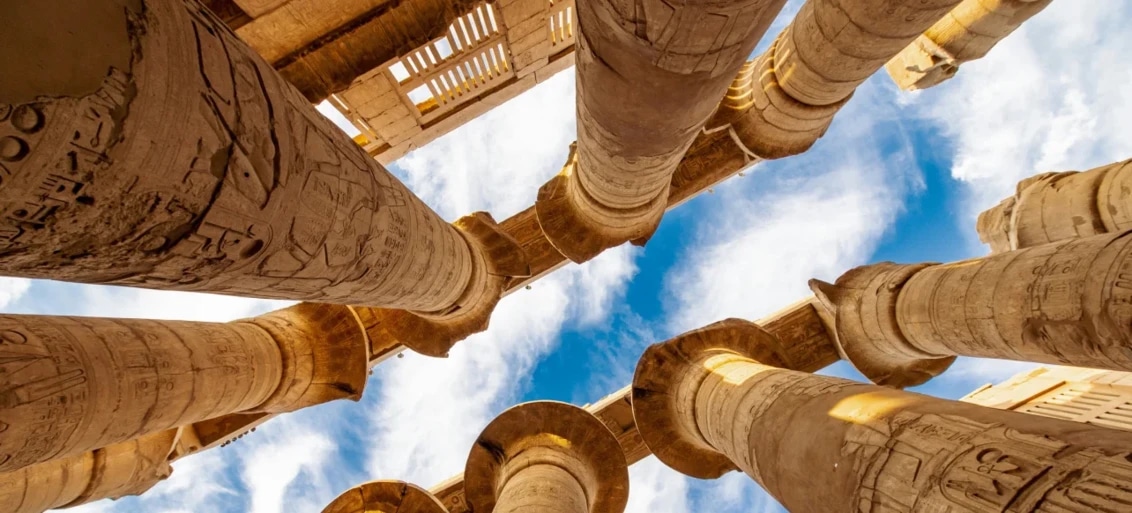
The Great Temple of Amun is the central temple of the huge Temples of Karnak complex and was the religious epicenter of Theban life. This house of the gods was built on a giant scale and today remains one of Ancient Egypt's most ambitious examples of Pharaonic era engineering and architecture.
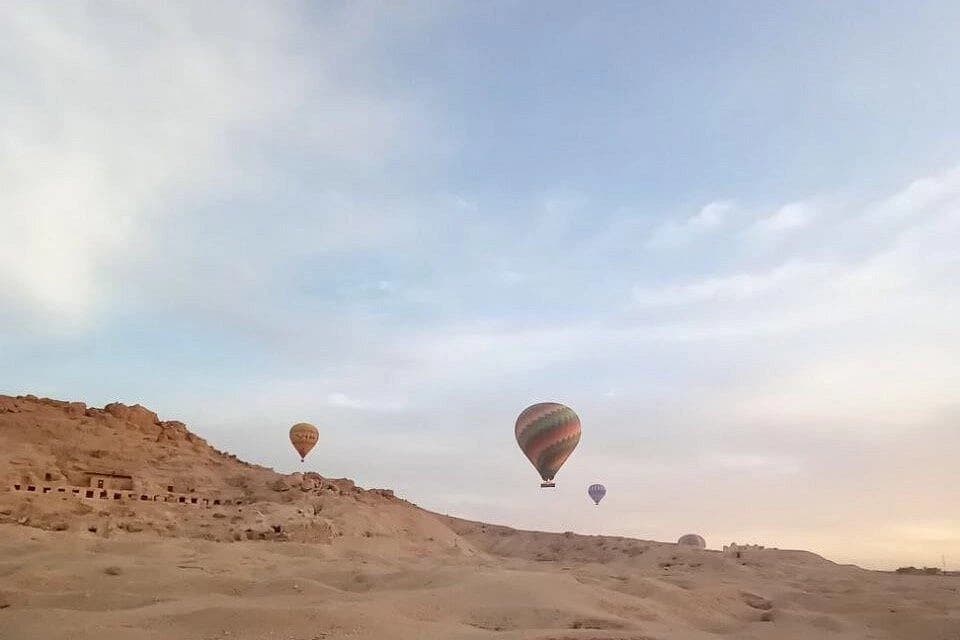
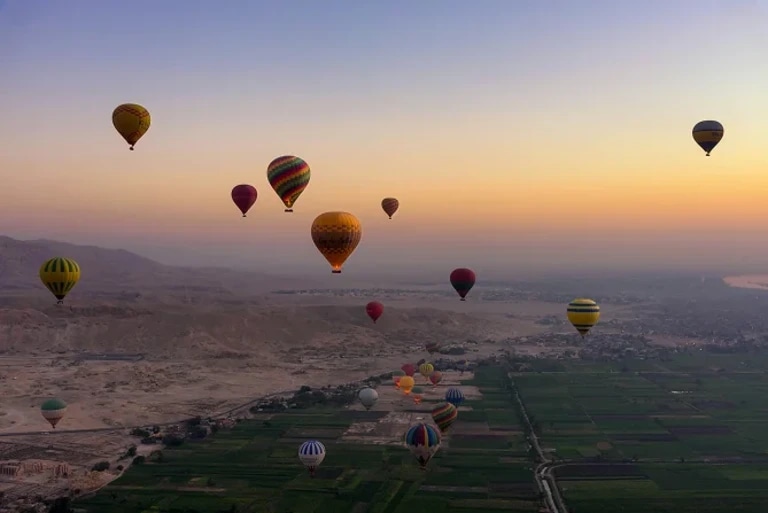
Hot air balloons is the second ballooning company established in Luxor , and the biggest hot air balloon co. in Egypt ;.Balloon rides here take off just after sunrise and float over the West Bank, with its green farming fields tucked between the barren escarpments, viewing the area's temples and tomb sites from high above.
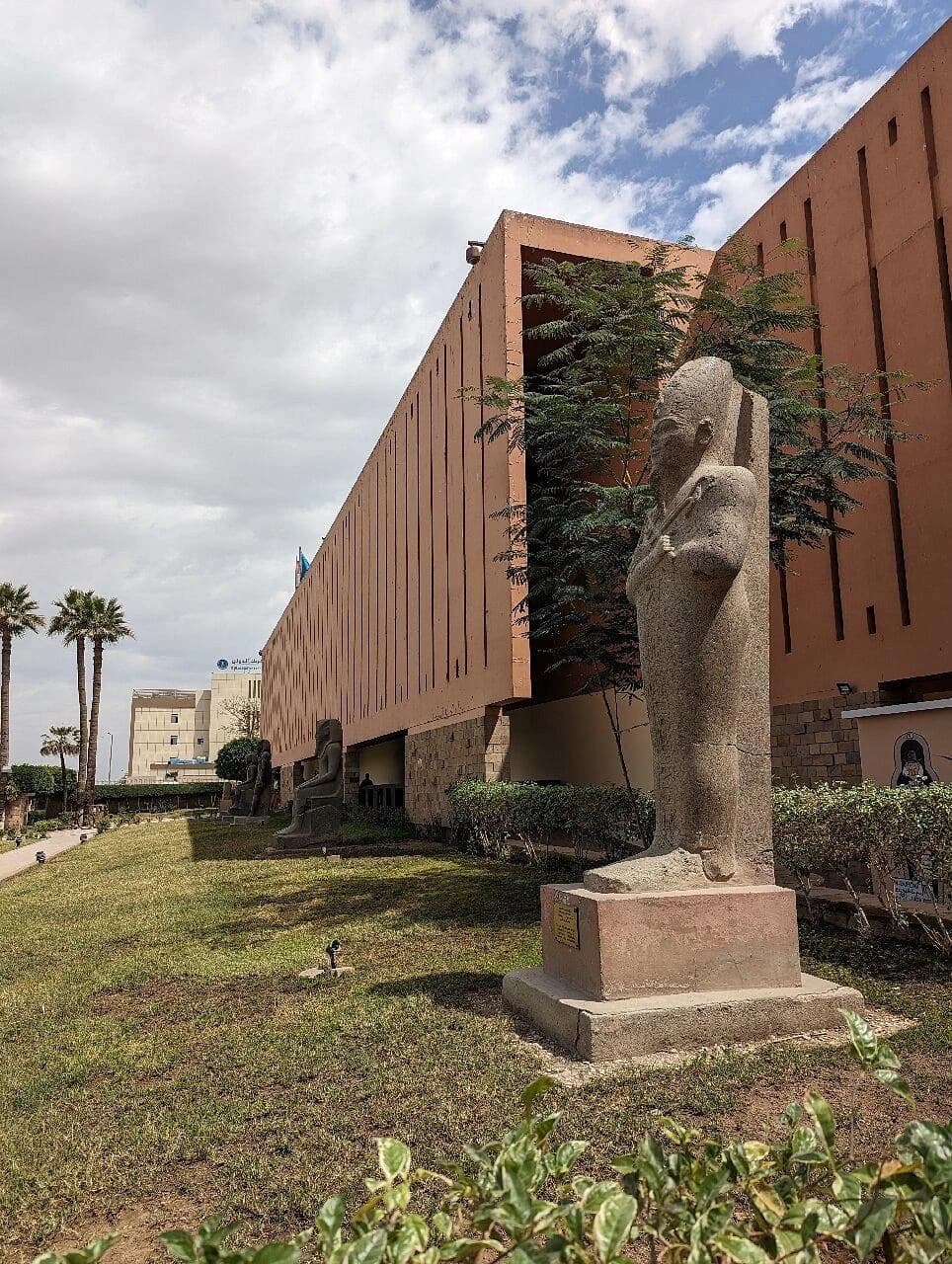
Luxor Museum is an archaeological museum in Luxor (ancient Thebes), Egypt.It stands on the corniche, overlooking the east bank of the River Nile. The Luxor Museum was inaugurated in 1975. It is a two-story building.
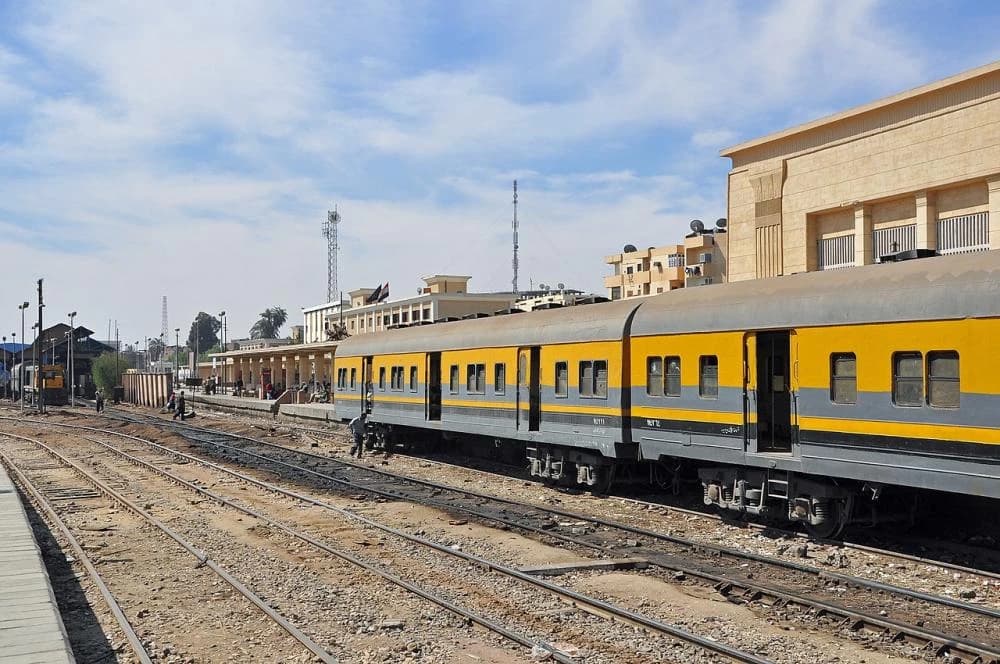
Train station in Luxor, Egypt
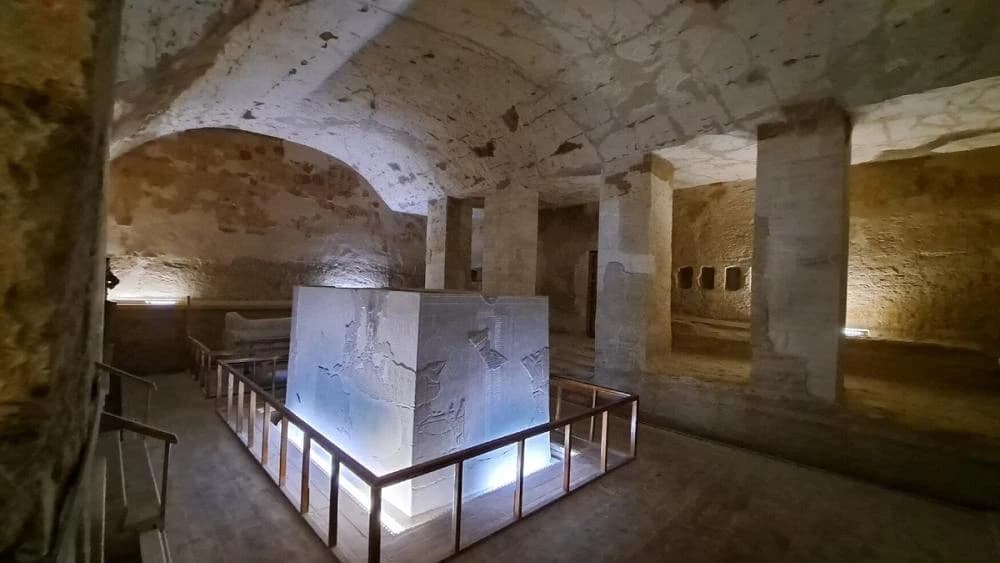
The Luxor Temple is a large Ancient Egyptian temple complex located on the east bank of the Nile River in the city today known as Luxor (ancient Thebes) and was constructed approximately 1400 BCE. Luxor temple is dedicated to the rejuvenation of kingship.
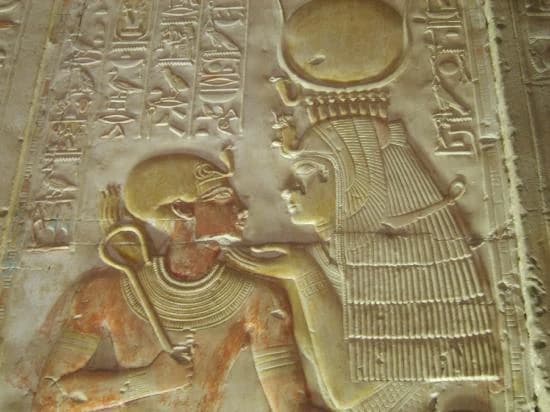
The Mortuary Temple of Seti I is the memorial temple (or mortuary temple) of the New Kingdom Pharaoh Seti I. It is located in the Theban Necropolis in Upper Egypt, across the River Nile from the modern city of Luxor (Thebes).The temple seems to have been constructed toward the end of the reign of Seti, and may have been completed by his son Ramesses the Great after his death.
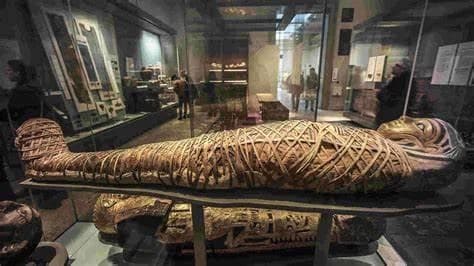
The Mummification Museum is an archaeological museum in Luxor, Upper Egypt. It is dedicated to the art of Ancient Egyptian mummification.The museum is located in the city of Luxor, the ancient Thebes. The museum is intended to provide visitors with an understanding of the ancient art of mummification .The Ancie Mummies of cats, fish and crocodiles are on display in this unique museum,.
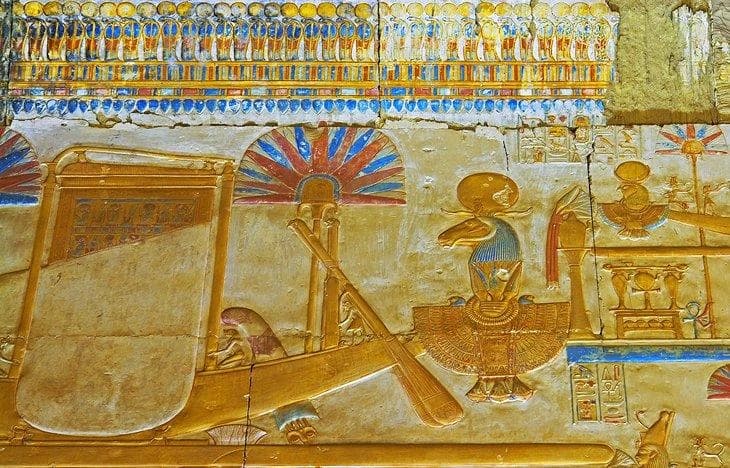
The Osirion or Osireion is an ancient megalithic structure located at Abydos, to the rear of the Temple of Seti I. It is an integral part of Seti I's funeral complex and is possibly built to resemble an 18th Dynasty Valley of the Kings tomb. The site contains a stone-paved island in the centre.
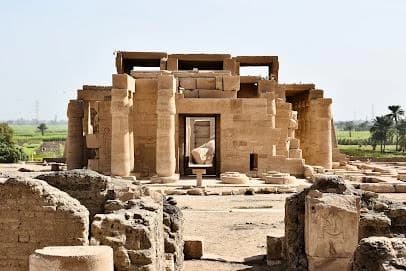
The Ramesseum is the memorial temple (or mortuary temple) of Pharaoh Ramesses II. It is located in the Theban Necropolis in Upper Egypt, on the west of the River Nile, across from the modern city of Luxor. The name – or at least its French form Rhamesséion – was coined by Jean-François Champollion, who visited the ruins of the site in 1829 and first identified the hieroglyphs making up Ramesses's names and titles on the walls.
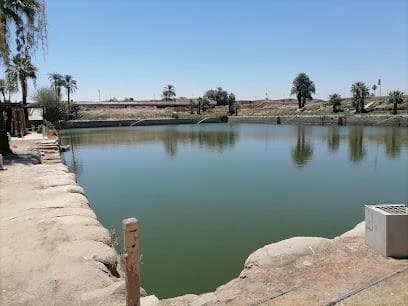
Karnak Temple Sacred Lake is the largest of its kind and was dug by Tuthmosis III (1473-1458 BCE). The lake was used by the priests for ritual washing and ritual navigation.
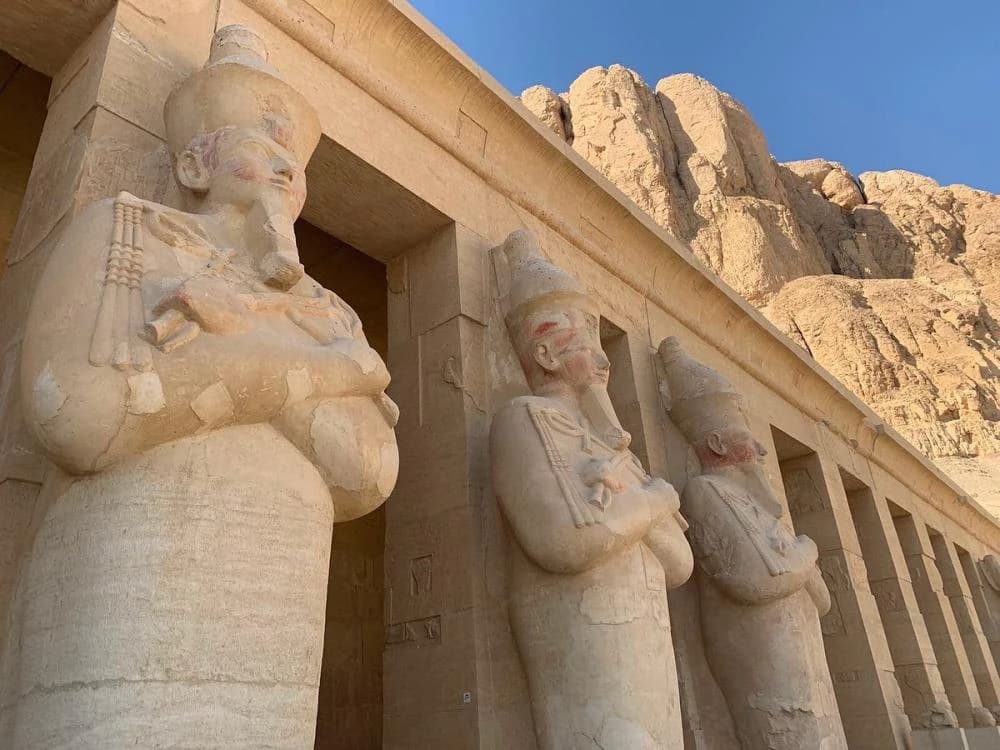
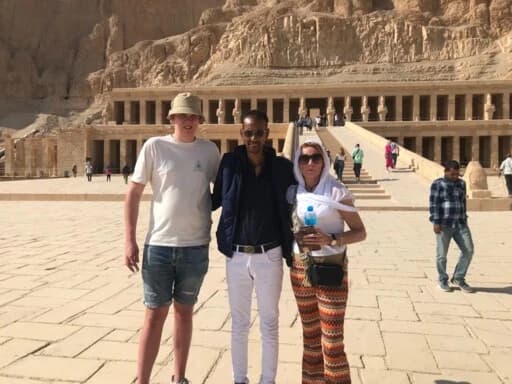
The Deir el-Bahri Temple Complex includes one of the most beautiful temples in Egypt, perhaps in the world, built by the architects of the New Kingdom Pharaoh Hatshepsut in the 15th century BC. The three colonnaded terraces of this lovely structure were built within a steep half-circle of cliffs on the west bank of the Nile River.
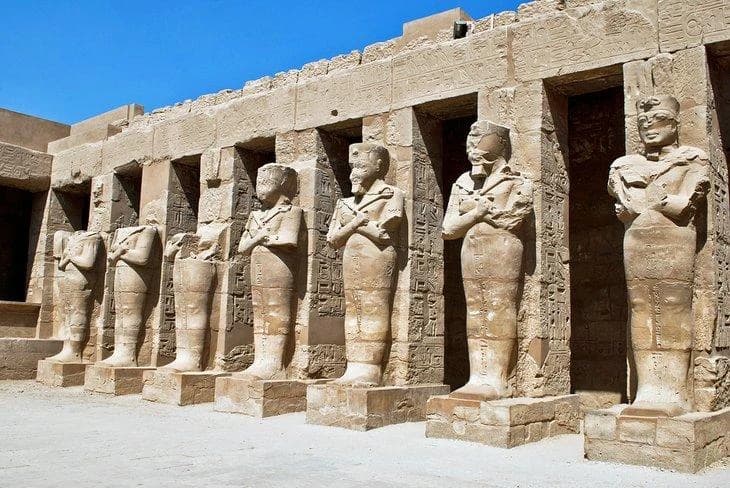
The Karnak Temple Complex, commonly known as Karnak comprises a vast mix of decayed temples, pylons, chapels, and other buildings near Luxor, Egypt. Construction at the complex began during the reign of Senusret I (reigned 1971–1926 BCE) in the Middle Kingdom (around 2000–1700 BCE) and continued into the Ptolemaic Kingdom (305–30 BCE).
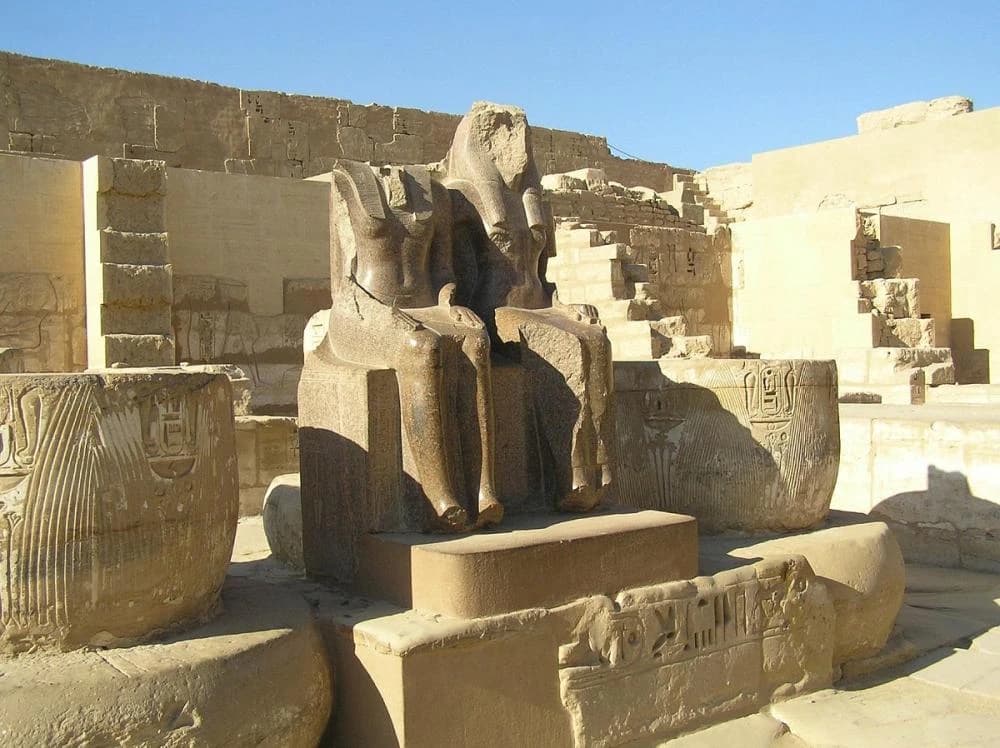
The Temple of Ramesses III at Medinet Habu was an important New Kingdom period temple structure in the West Bank of Luxor in Egypt.The temple, some 150 m (490 ft) long, is of orthodox design, and closely resembles the Ramesseum. It is quite well preserved and surrounded by a massive mudbrick enclosure.
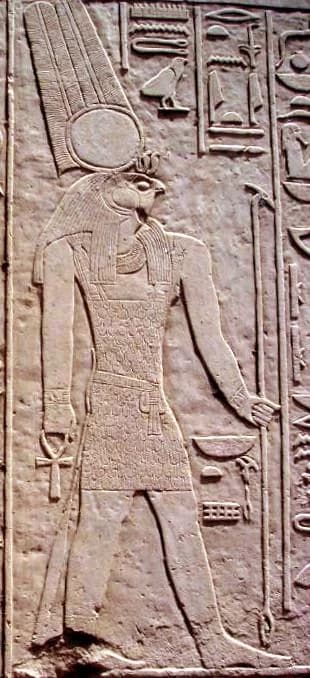
The Temple of Montu is an Egyptian temple dedicated to the worship of Montu. The site is located 5 kilometres (3.1 mi) northeast of Karnak, which is located within Luxor.
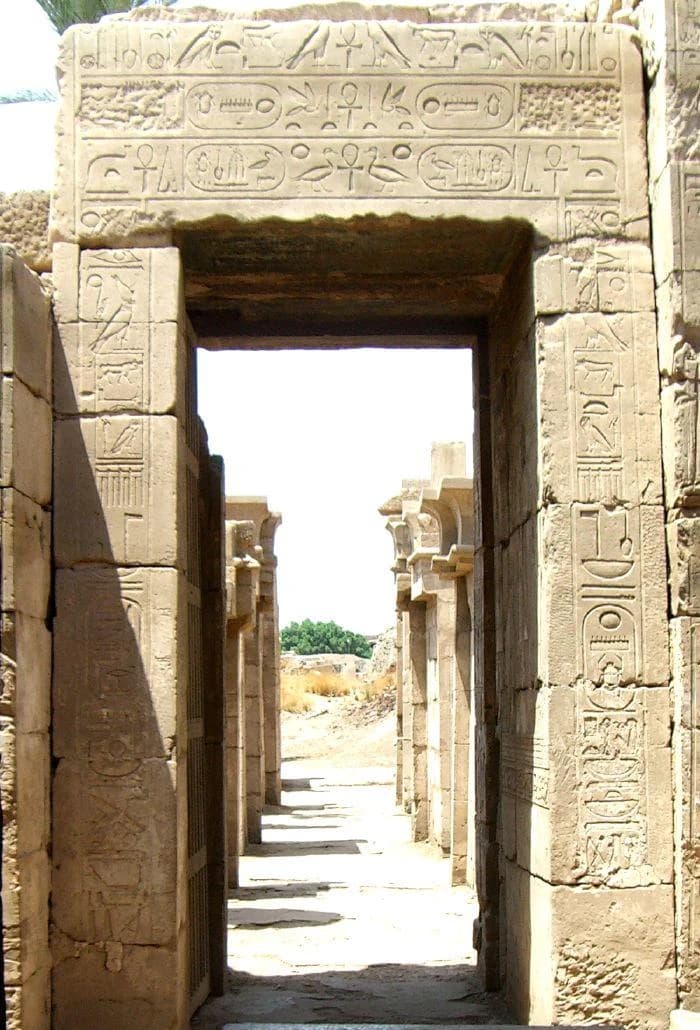
The Temple of Ptah is a shrine located within the large Precinct of Amun-Re at Karnak, in Luxor, Egypt. It lies to the north of the main Amun temple, just within the boundary wall. The building was erected by the Pharaoh Thutmose III on the site of an earlier Middle Kingdom temple. The edifice was later enlarged by the Ptolemaic Kingdom.
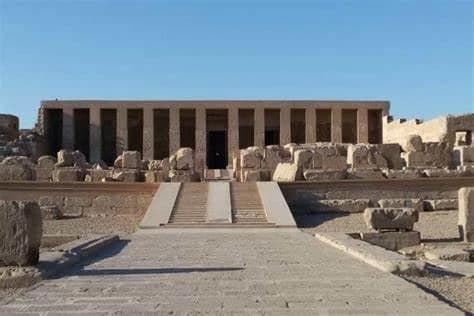
The temple of Seti I also known as the Great Temple of Abydos is one of the main historical sites in Abydos. The temple was built by pharaoh Seti I. At the rear of the temple there is the Osireion.The temple was documented in 1933 in a four-volume series entitled The Temple of King Sethos I at Abydos.
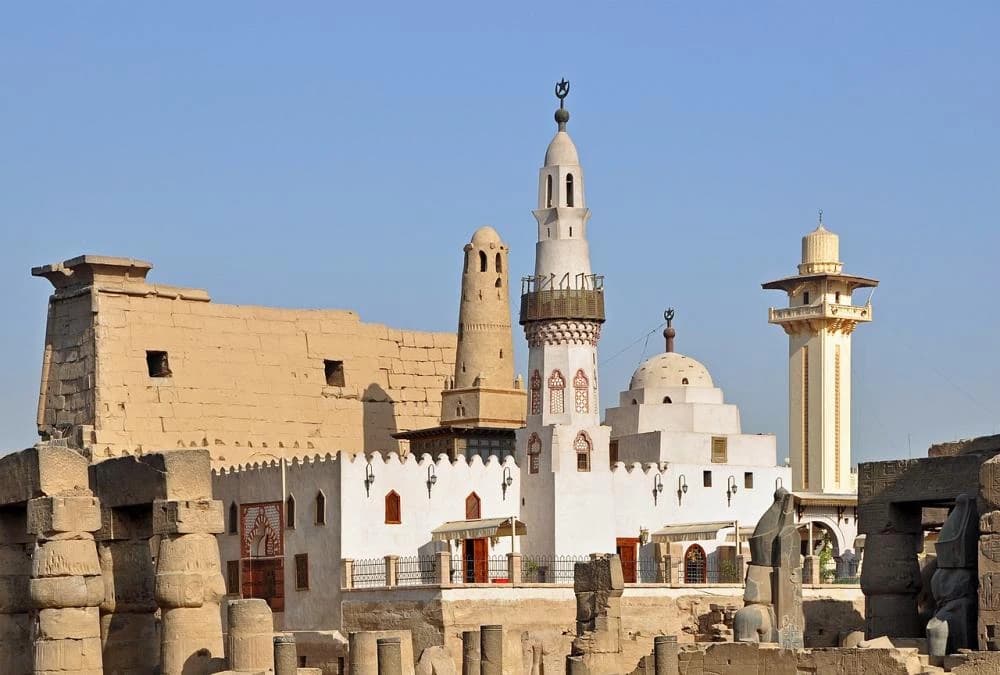
The Mosque of Abu Haggag is a mosque in Luxor, Egypt. It is integrated into the structure of Luxor Temple, an Ancient Egyptian center of worship, making it one of the oldest continuously used temples in the world, dating back to the reign of Pharaoh Amenhotep III in the 14th century BC.
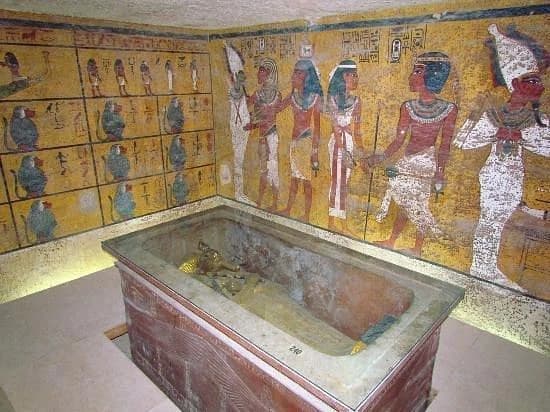
The tomb of Tutankhamun is the burial place of Tutankhamun (reigned c. 1334–1325 BC), a pharaoh of the Eighteenth Dynasty of ancient Egypt, in the Valley of the Kings. The tomb consists of four chambers and an entrance staircase and corridor.
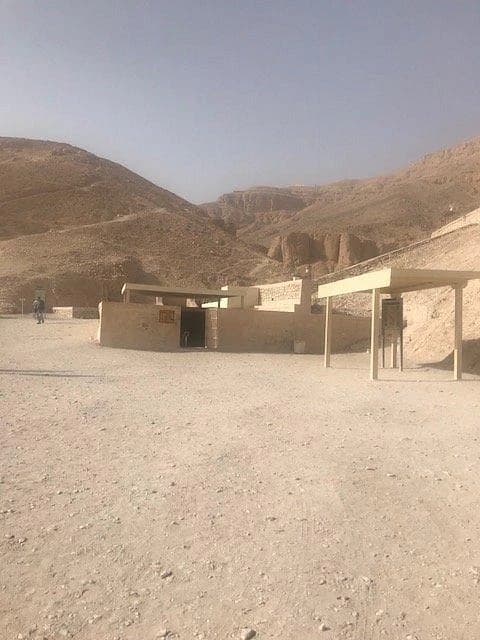
Tomb KV9 in Egypt's Valley of the Kings was originally constructed by Pharaoh Ramesses V. He was interred here, but his uncle, Ramesses VI, later reused the tomb as his own. The layout is typical of the 20th Dynasty – the Ramesside period –In 2020, the Egyptian Tourism Authority released a full 3D model of the tomb with detailed photography,
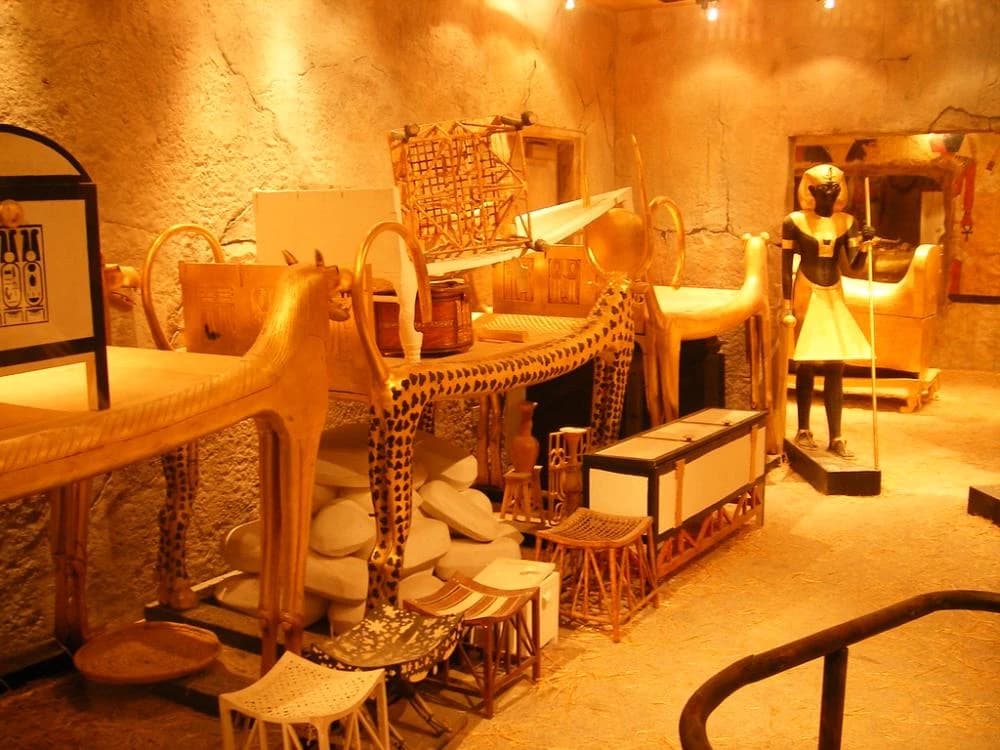
This modest mud-brick house is where Carter set up home during the long search for Tutankhamun's tomb.The tomb replica's burial chamber is an exact copy of the original down to the finest detail, including dust. It was created by the Factum Foundation for Digital Conservation in collaboration with Egypt's Ministry of Antiquities as an experiment in contemporary preservation.
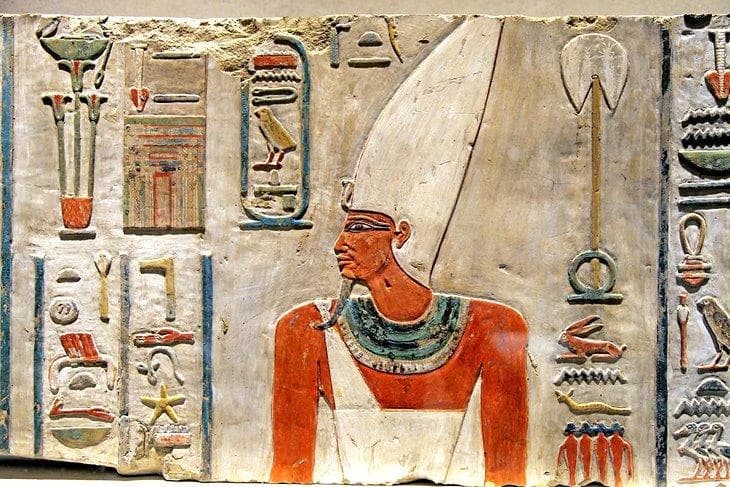
The Theban Necropolis is located on the west bank of the Nile, opposite Luxor, in Egypt. As well as the more famous royal tombs located in the Valley of the Kings and the Valley of the Queens, there are numerous other tombs, more commonly referred to as Tombs of the Nobles (Luxor), the burial places of some of the powerful courtiers and persons of the ancient city.
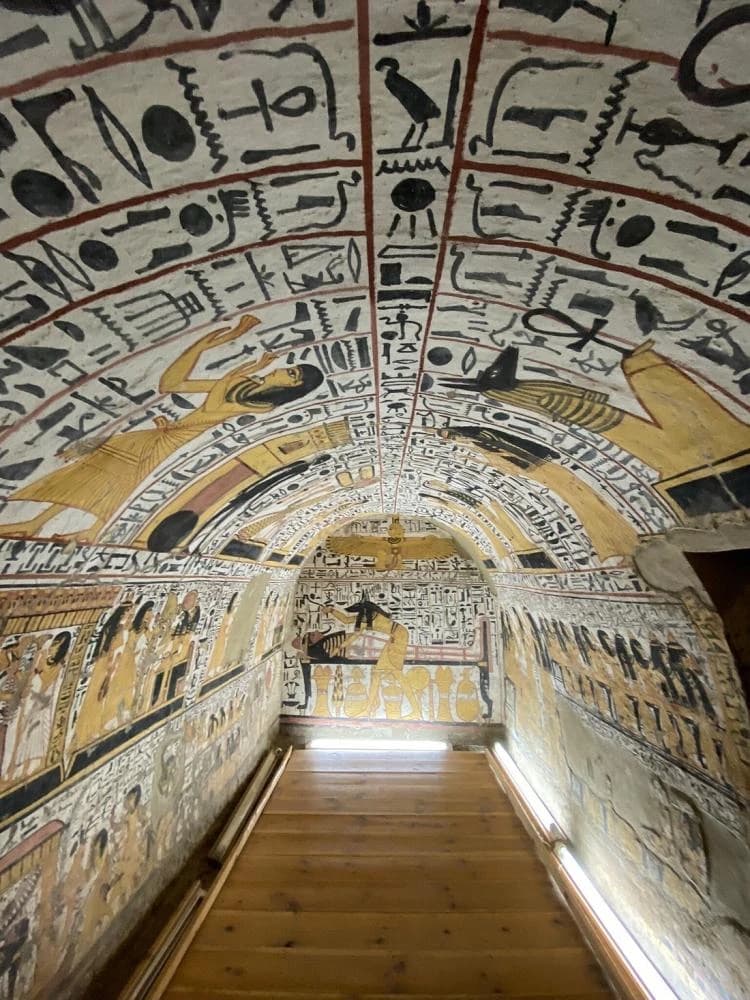
Dayr al-Madīnah, is an ancient Egyptian workmen's village which was home to the artisans who worked on the tombs in the Valley of the Kings during the 18th to 20th Dynasties of the New Kingdom of Egypt (ca. 1550–1080 BCE) The settlement's ancient name was Set .
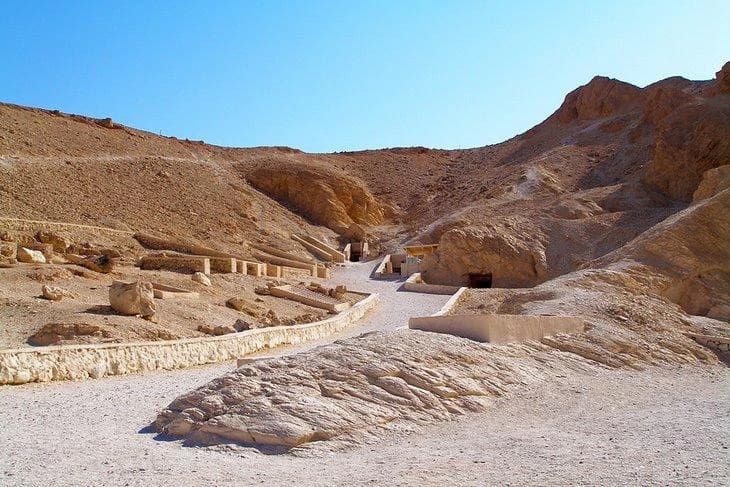
The Valley of the Kings Late Coptic also known as the Valley of the Gates of the Kings is a valley in Egypt where, for a period of nearly 500 years from the 16th to 11th century BC, rock-cut tombs were excavated for the pharaohs and powerful nobles of the New Kingdom (the Eighteenth to the Twentieth Dynasties of Ancient Egypt).
 pro
proLanguages:
 English
 Italiano
Profile verified
 pro
proLanguages:
English Deutsch
Profile verified
 pro
proLanguages:
EnglishProfile verified
 pro
proLanguages:
EnglishDeutschProfile verified
 pro
proLanguages:
EnglishItalianoProfile verified
 local
localLanguages:
English العربية
Profile verified
 local
localLanguages:
EnglishالعربيةProfile verified
 pro
proLanguages:
 日本語
日本語Profile verified
 pro
proLanguages:
EnglishProfile verified
 local
localLanguages:
 Türkçe
Profile verified
 pro
proLanguages:
EnglishالعربيةProfile verified
 pro
proLanguages:
DeutschProfile verified
 local
localLanguages:
EnglishProfile verified
 local
localLanguages:
EnglishالعربيةProfile verified
 pro
proLanguages:
EnglishالعربيةProfile verified
 local
localLanguages:
EnglishالعربيةProfile verified
 pro
proLanguages:
EnglishProfile verified
 pro
proLanguages:
EnglishProfile verified
 local
localLanguages:
EnglishProfile verified
 pro
proLanguages:
EnglishالعربيةProfile verified
 pro
proLanguages:
EnglishProfile verified
 pro
proLanguages:
 MagyarEnglish
Profile verified
 local
localLanguages:
English Español
Profile verified
 pro
proLanguages:
EnglishProfile verified
 local
localLanguages:
EnglishالعربيةProfile verified
 pro
proLanguages:
EnglishالعربيةProfile verified
 pro
proLanguages:
EnglishProfile verified
 local
localLanguages:
EnglishالعربيةProfile verified
 local
localLanguages:
EnglishProfile verified
 local
localLanguages:
English Русский
Profile verified
 pro
proLanguages:
EnglishProfile verified
 local
localLanguages:
 中文English
Profile verified
 local
localLanguages:
EnglishالعربيةProfile verified
 local
localLanguages:
EnglishالعربيةProfile verified
 pro
proLanguages:
EnglishProfile verified
 pro
proLanguages:
EnglishProfile verified
 pro
proLanguages:
EnglishالعربيةProfile verified
 local
localLanguages:
 עבריתEnglish
Profile verified
 local
localLanguages:
 PolskiEnglish
Profile verified
 pro
proLanguages:
EnglishالعربيةProfile verified
 pro
proLanguages:
 NederlandsPolski
Profile verified
 pro
proLanguages:
EspañolProfile verified
 pro
proLanguages:
EnglishProfile verified
 pro
proLanguages:
EnglishProfile verified
 local
localLanguages:
ItalianoProfile verified
 local
localLanguages:
EnglishEspañolProfile verified
 local
localLanguages:
English Français
Profile verified
 local
localLanguages:
EnglishEspañolProfile verified
 local
localLanguages:
EnglishالعربيةProfile verified
 pro
proLanguages:
EnglishEspañolProfile verified
 local
localLanguages:
EnglishالعربيةProfile verified
 pro
proLanguages:
EnglishProfile verified
 pro
proLanguages:
EnglishProfile verified
 pro
proLanguages:
EnglishProfile verified
 pro
proLanguages:
EnglishالعربيةProfile verified
 pro
proLanguages:
EnglishالعربيةProfile verified
 pro
proLanguages:
EnglishProfile verified
 local
localLanguages:
中文EnglishProfile verified
 pro
proLanguages:
EnglishProfile verified
 local
localLanguages:
EnglishالعربيةProfile verified
 local
localLanguages:
EnglishFrançaisProfile verified
 pro
proLanguages:
EnglishProfile verified
 pro
proLanguages:
EnglishProfile verified
 local
localLanguages:
EnglishالعربيةProfile verified
 local
localLanguages:
EnglishFrançaisProfile verified
 pro
proLanguages:
ItalianoProfile verified
 pro
proLanguages:
EnglishProfile verified
 pro
proLanguages:
EnglishProfile verified
 local
localLanguages:
DeutschProfile verified
 pro
proLanguages:
EnglishالعربيةProfile verified
 local
localLanguages:
EspañolProfile verified
 pro
proLanguages:
FrançaisProfile verified
 pro
proLanguages:
中文EnglishProfile verified
 local
localLanguages:
EnglishProfile verified
 pro
proLanguages:
EnglishالعربيةProfile verified
 pro
proLanguages:
EnglishEspañolProfile verified
 pro
proLanguages:
EnglishEspañolProfile verified
 local
localLanguages:
РусскийProfile verified
 local
localLanguages:
EnglishEspañolProfile verified
 local
localLanguages:
EnglishالعربيةProfile verified
 pro
proLanguages:
EnglishDeutschProfile verified
 local
localLanguages:
EnglishEspañolProfile verified
 local
localLanguages:
EnglishProfile verified
 pro
proLanguages:
EspañolالعربيةProfile verified
 pro
proLanguages:
DeutschProfile verified
 pro
proLanguages:
EnglishEspañolProfile verified
 local
localLanguages:
EnglishالعربيةProfile verified
 pro
proLanguages:
EnglishProfile verified
 local
localLanguages:
EnglishEspañolProfile verified
 pro
proLanguages:
EnglishFrançaisProfile verified
 pro
proLanguages:
EnglishالعربيةProfile verified
 pro
proLanguages:
EnglishProfile verified
 local
localLanguages:
EnglishProfile verified
 local
localLanguages:
中文EnglishProfile verified
 pro
proLanguages:
EnglishProfile verified
 local
localLanguages:
 PortuguêsEnglish
Profile verified
 pro
proLanguages:
DeutschProfile verified
 pro
proLanguages:
EnglishProfile verified
 pro
proLanguages:
EnglishItalianoProfile verified
 local
localLanguages:
EnglishProfile verified
 pro
proLanguages:
NederlandsEnglishProfile verified
 local
localLanguages:
EnglishالعربيةProfile verified
 pro
proLanguages:
EnglishالعربيةProfile verified
 pro
proLanguages:
PortuguêsEnglishProfile verified
 local
localLanguages:
EnglishEspañolProfile verified
 pro
proLanguages:
EnglishProfile verified
 local
localLanguages:
EnglishالعربيةProfile verified
 local
localLanguages:
PortuguêsEnglishProfile verified
 pro
proLanguages:
EnglishProfile verified
 pro
proLanguages:
EnglishالعربيةProfile verified
 pro
proLanguages:
EnglishProfile verified
 pro
proLanguages:
EnglishالعربيةProfile verified
 pro
proLanguages:
EnglishProfile verified
 local
localLanguages:
EnglishProfile verified
 local
localLanguages:
EnglishالعربيةProfile verified
 pro
proLanguages:
EnglishProfile verified
 local
localLanguages:
EnglishProfile verified
 local
localLanguages:
EnglishProfile verified
 local
localLanguages:
EnglishEspañolProfile verified
 local
localLanguages:
EnglishالعربيةProfile verified
 local
localLanguages:
PortuguêsEnglishProfile verified
 local
localLanguages:
EnglishProfile verified
 pro
proLanguages:
EnglishالعربيةProfile verified
 local
localLanguages:
EnglishالعربيةProfile verified
 local
localLanguages:
EnglishالعربيةProfile verified
 pro
proLanguages:
EnglishProfile verified
 local
localLanguages:
EnglishProfile verified
 local
localLanguages:
EnglishItalianoProfile verified
 pro
proLanguages:
 ΕλληνικάPolski
Profile verified
 local
localLanguages:
EnglishالعربيةProfile verified
 pro
proLanguages:
EnglishProfile verified
Languages:
EspañolProfile verified
 local
localLanguages:
EnglishEspañolProfile verified
 pro
proLanguages:
 Bahasa IndonesiaEnglish
Profile verified
 local
localLanguages:
EnglishالعربيةProfile verified
 local
localLanguages:
EnglishالعربيةProfile verified
 local
localLanguages:
EnglishProfile verified
 local
localLanguages:
EnglishالعربيةProfile verified
 pro
proLanguages:
EnglishFrançaisProfile verified
 pro
proLanguages:
EnglishProfile verified
 pro
proLanguages:
EnglishالعربيةProfile verified
 pro
proLanguages:
EnglishالعربيةProfile verified
 pro
proLanguages:
EnglishEspañolProfile verified
 local
localLanguages:
日本語PortuguêsProfile verified
 pro
proLanguages:
EnglishالعربيةProfile verified
 local
localLanguages:
ItalianoProfile verified
 pro
proLanguages:
EnglishProfile verified
 pro
proLanguages:
EnglishProfile verified
 pro
proLanguages:
 Čeština
 Slovenčina
Profile verified
 local
localLanguages:
 한국어日本語
Profile verified
 local
localLanguages:
FrançaisالعربيةProfile verified
 pro
proLanguages:
EnglishEspañolProfile verified
 pro
proLanguages:
EnglishالعربيةProfile verified
 pro
proLanguages:
Português中文Profile verified
 local
localLanguages:
EnglishProfile verified
 pro
proLanguages:
EnglishProfile verified
 pro
proLanguages:
EnglishالعربيةProfile verified
 local
localLanguages:
EnglishProfile verified
 local
localLanguages:
EnglishItalianoProfile verified
 pro
proLanguages:
EnglishالعربيةProfile verified
 pro
proLanguages:
EnglishProfile verified
 pro
proLanguages:
日本語Profile verified
 pro
proLanguages:
EnglishProfile verified
 local
localLanguages:
EnglishProfile verified
 local
localLanguages:
EnglishProfile verified
 pro
proLanguages:
日本語Profile verified
 pro
proLanguages:
EnglishProfile verified
 local
localLanguages:
中文Profile verified
 local
localLanguages:
EnglishالعربيةProfile verified
Find private local guides worldwide. Connect with real people, real stories — not just scripted tours



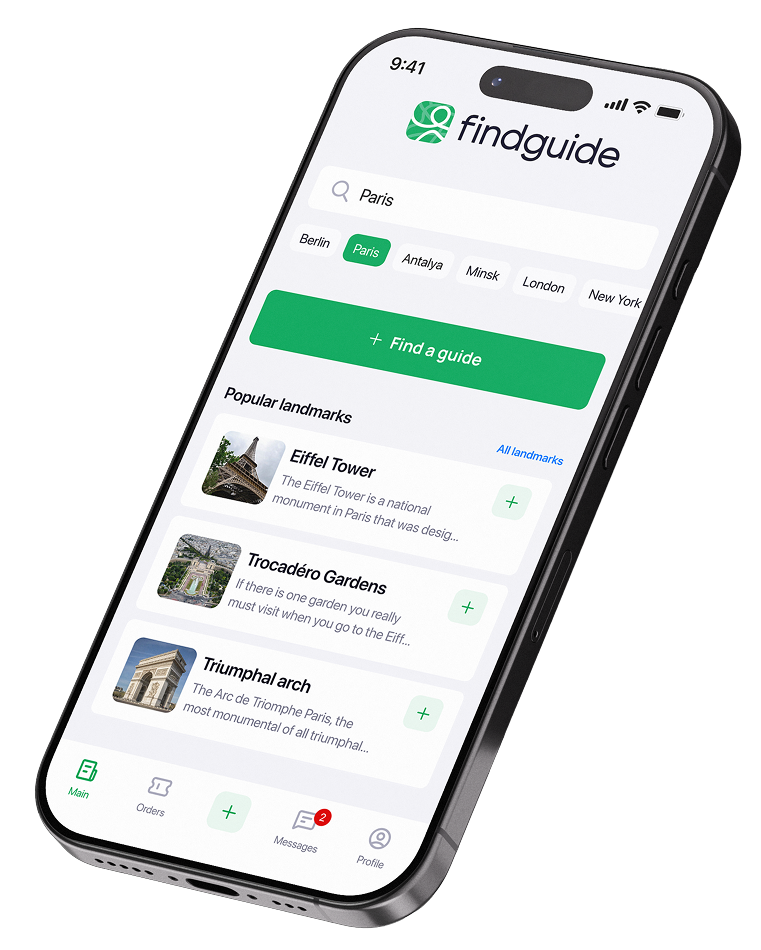

Find a personal guide in just 1 minute and create your dream itinerary!


FindGuide is a platform for finding private and local guides around the world. You can choose a guide in advance who will show you the city from a local perspective, not just the standard tourist route.
Enter the city or country you're interested in into the search bar, choose a guide you like, and send them a request. All bookings are made directly on the platform.
We offer walking, food, historical, driving, private, and family tours in more than 100 destinations.
Yes, all guides go through moderation and verification. You can read reviews from other travelers, check the guide’s rating, and view their profile with photos and experience descriptions.
Tour prices vary depending on the destination, duration, and format. You see the cost upfront — no hidden fees.
Yes, the app is completely free for tourists. You can place your tour requests for local guides and access expert travel content totally free of charge.


