
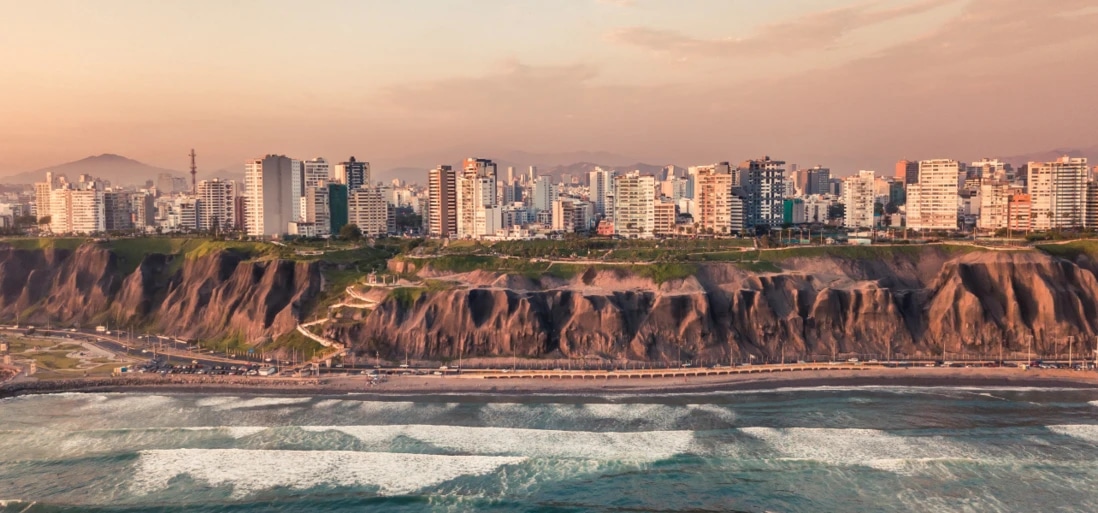
: Experience Lima’s rich culture and local cuisine with a personal guide. Visit the historic Plaza Mayor, wander the bohemian Barranco district, and taste fresh ceviche at local seafood spots. Discover Lima beyond the usual tourist path
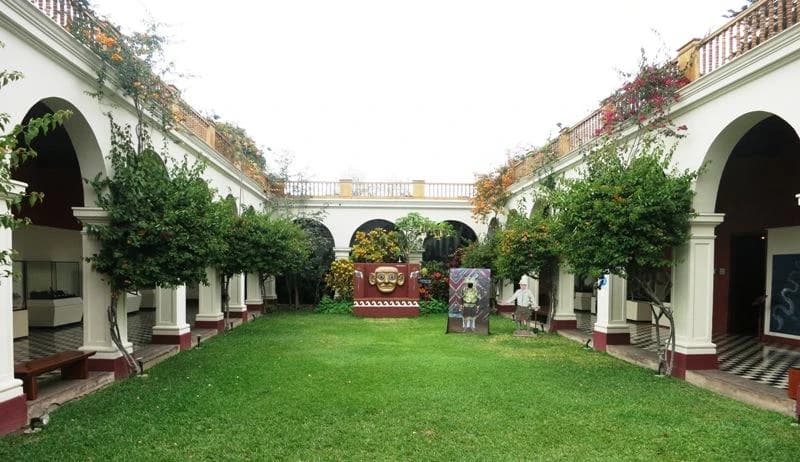
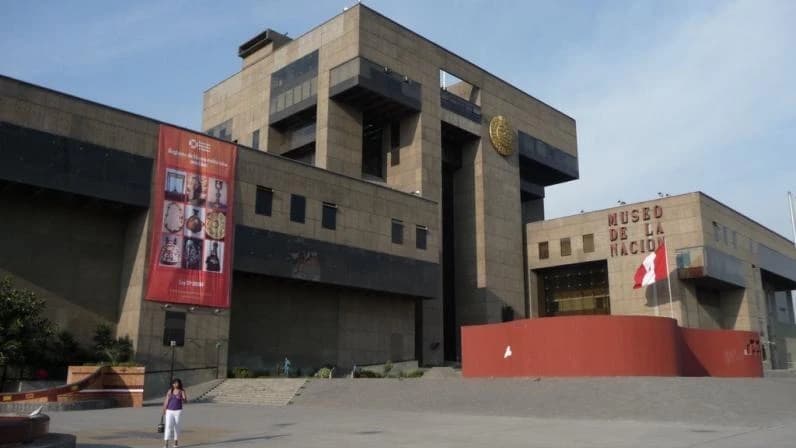
Not as large as the Museo de la Nacion, the National Archaeology, Anthropology, and History Museum does an excellent job of exploring the history of Peru from prehistoric times to the colonial era. The displays are well organized, and you won't be overwhelmed by the amount of material, making it easier to understand. The variety is impressive, too, with priceless examples of ceramics, figural stone carvings, obelisks, wrapped mummies, burial tombs, jewelry, tapestries, and gold and metal work, many shown with scale models of the archeological sites. The ceramic collection features pieces that date from 2800 BC, and among the carved obelisks are the granite Tello Obelisk and the famous Estela Raimondi. Parents should be aware that some of the ceramic figures may not be suitable for children. Included with the museum is the adjacent home, once occupied by both Jose de San Martin and Simon Bolivar.
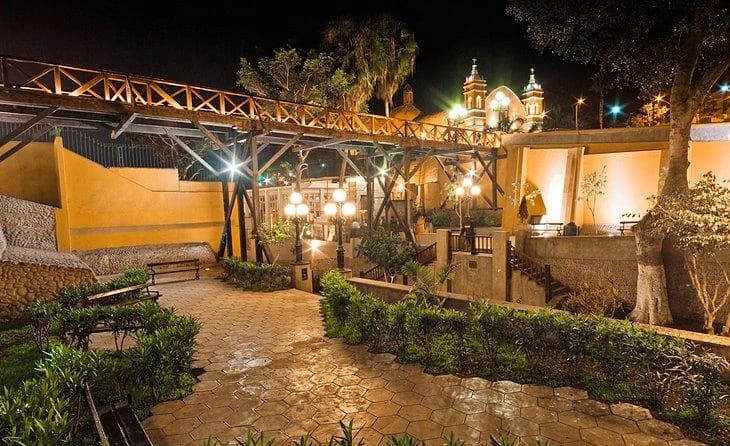
South of central Lima and Miraflores, the suburb of Barranco has long been popular with artists and writers, and it's one of the city's most appealing places to visit for those who want a respite from busy tourist attractions. The private Museo de Arte Colonial Pedro de Osma is housed in the historic mansion Palacio de Osma. The museum's exceptional collection of colonial art from around Peru includes paintings, sculptures, metalwork, stonework, silver, and furniture.
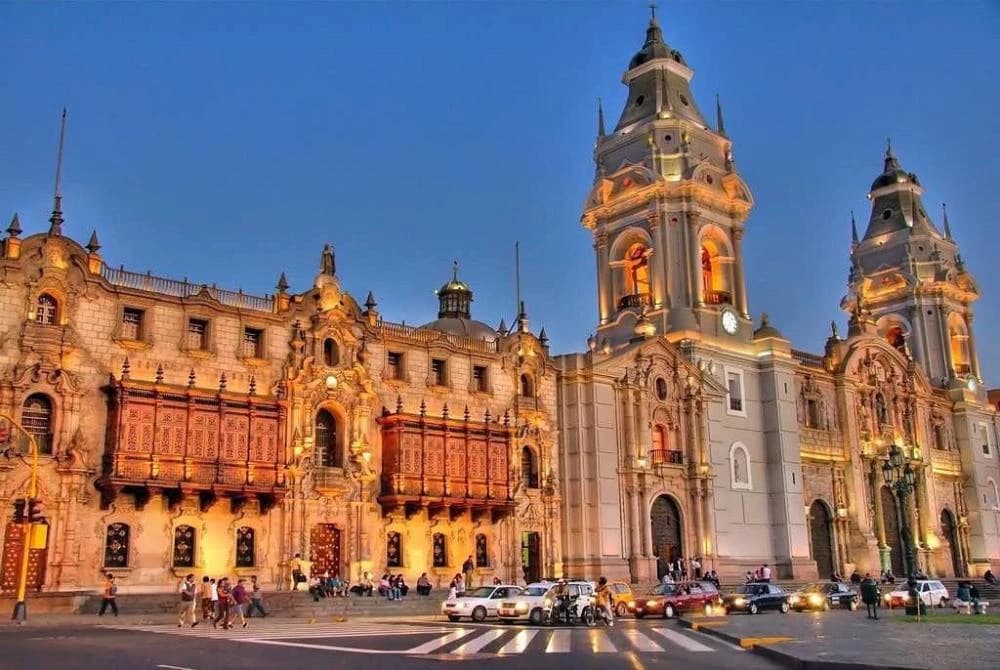
Lima's cathedral dominates the east side of the Plaza de Armas. Construction began on the original cathedral in 1535, and it was enlarged in 1564, based on the design of the cathedral in Seville, Spain. It was damaged by an earthquake in 1687 and almost destroyed by the big quake of 1746 but was quickly rebuilt to its present appearance. Look for the outstanding carved choir, a carving of Jesus in the chapel of St. John the Baptist, and the altars in the ornate Spanish Baroque style known as churrigueresque. A chapel decorated in mosaics holds the tomb of Francisco Pizarro, the founder of Lima. A small Museum of Religious Art lies in the back of the cathedral, and in the courtyard is a very pleasant tea room.
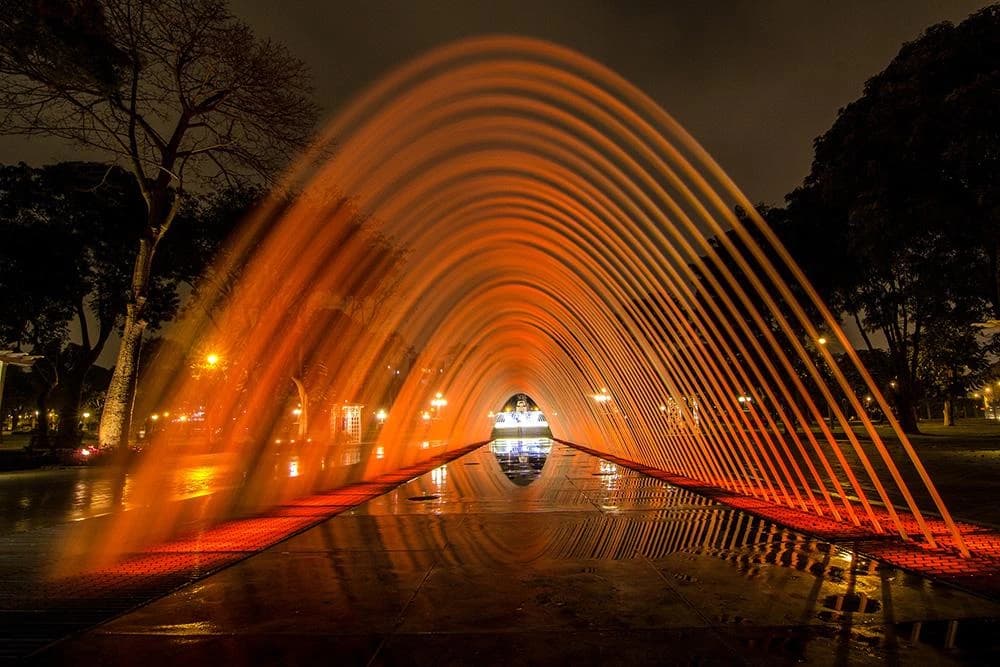
The Magic Water Tour was opened in the Park of the Reserve in 2007, and within a year counted two million visitors. It holds the record for the largest fountain complex in the world, with 13 separate fountains. The largest, the Fuente Mágica, shoots a jet of water more than 80 meters high, while the Fuente Túnel de las Sorpresas (Tunnel of Surprises) is a 35-meter tunnel of water to walk through. At the Fuente de la Fantasia, you can see a laser and picture show with jets synchronized to music.
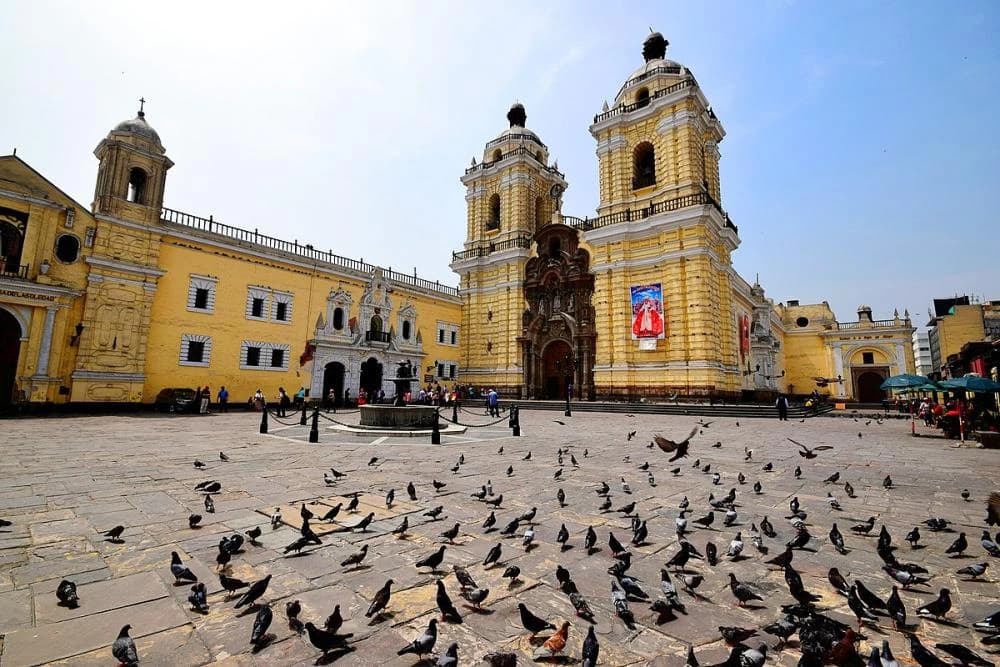
San Francisco church and its monastery are most famous for their catacombs containing the bones of about 10,000 people interred here when this was Lima's first cemetery. Below the church is a maze of narrow hallways, each lined on both sides with bones. The San Francisco church and monastery were consecrated in 1673 and it is one of the city's best preserved colonial churches, having withstood the earthquakes of 1687 and 1746, although it did suffer extensive damage in a quake in 1970
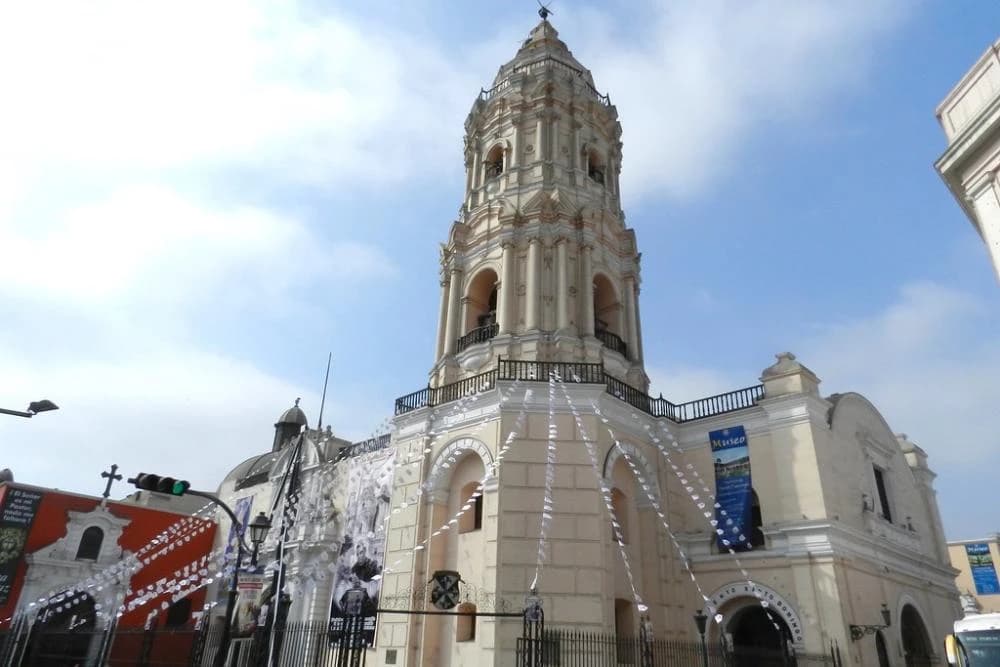
Built in 1540 on land given to the Dominican Friar Vicente Valverde by Francisco Pizarro, the church and monastery of Santo Domingo is one of the oldest and most historic in Lima. Here, you will find the relics of Saint Rose of Lima; San Juan Masias; and Saint Martin de Porres, the first black saint in the Americas. The statue of Saint Rose was given to Santo Domingo by Pope Clement X. The monastery is best known for its tile mosaics picturing the life of St. Dominic, Santo Domingo de Guzman, who founded the Dominican order. Inside the colorfully painted cloister is a peaceful green garden. The church is a short walk northwest of Plaza de Armas in central Lima.
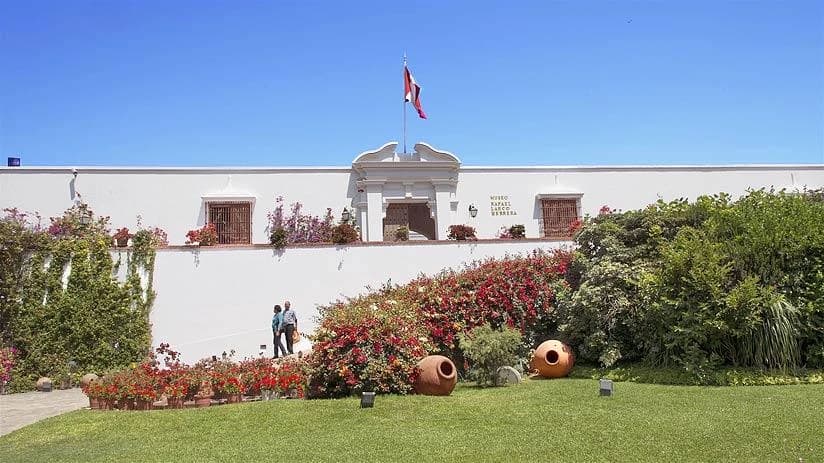
South of central Lima in Pueblo Libre is the Rafael Larco Herrera Museum, more commonly called the Larco Museum. The 18th-century viceroy mansion that houses it was built on the site of a pre-Columbian pyramid from the 7th century. The Larco Museum contains a huge collection of more than 40,000 pieces of Peruvian ceramics, a large portion of which is from the Moche and Chimú cultures. These are not all on display at once. Also making it one of the most popular places to visit in Lima is its excellent collection of gold work, along with some textiles, stone carvings, and metalwork.
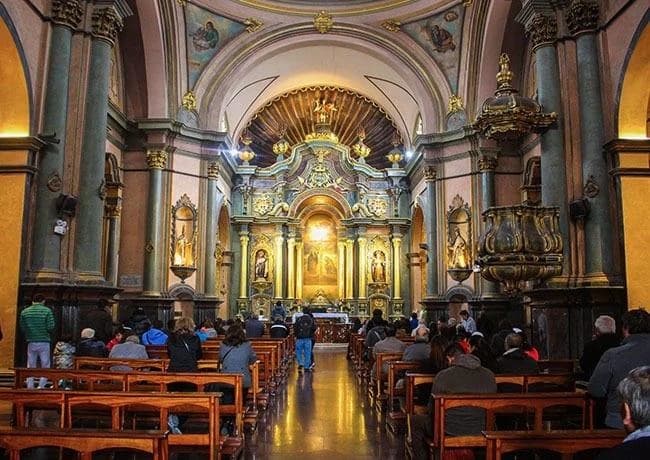
Several blocks east of the Plaza de Armas, Lima's Church of the Nazarenas has a unique history. This area was once a poor neighborhood of freed black slaves, and in the middle of what was little more than a shanty town, an ex-slave painted a mural of the Crucifixion of Christ on a wall.
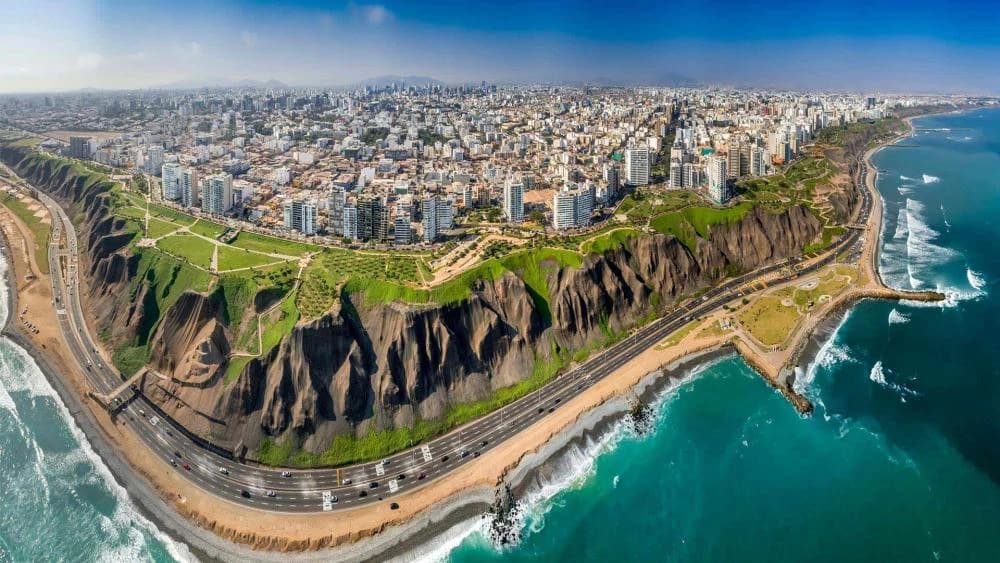
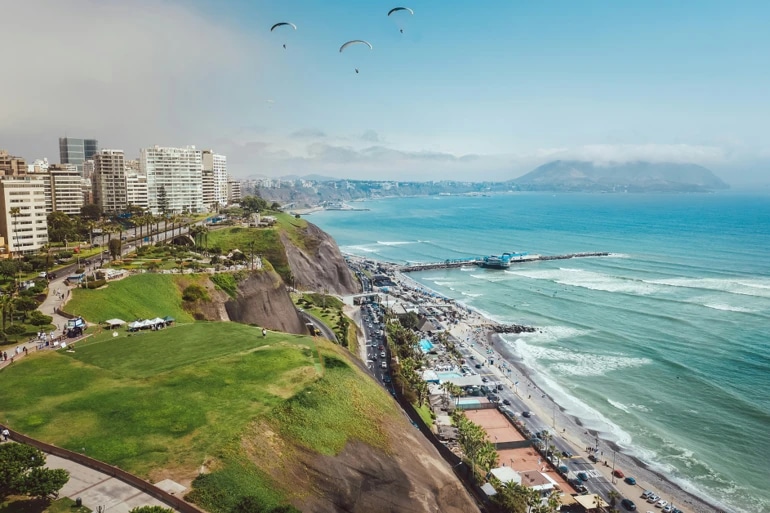
On cliffs above the ocean, just south of central Lima, Miraflores is a neighborhood of modern glass-and-steel commercial buildings mixed with some fine old colonial homes and lots of green space. Here is where you'll find smart shops and restaurants serving the "New Peruvian" cuisine that's drawing worldwide attention in culinary circles. Beautiful parks and green spaces stretch along the cliff tops overlooking the water, and it's common to see hang gliders drifting from the cliffs, above surfers in the waves below. Expect slightly higher prices in this more affluent neighborhood. You'll find plenty of things to do here besides browsing in the shops and sampling the New Peruvian cuisine. Those interested in pre-Columbian cultures should book a tour of the Museo Amano to see a private collection of Peruvian ceramics and textiles, arranged chronologically.
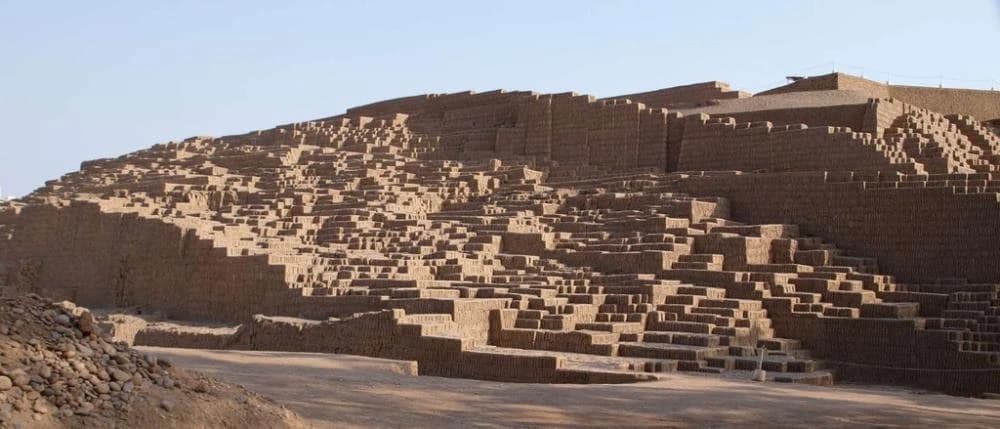
The pyramid-shaped temple of Huaca Pucllana lies in the heart of Miraflores and is now incongruously surrounded by buildings. Built of adobe and clay bricks - a construction material that would never have survived for more than 1,000 years in any other climate - the pyramid is formed in seven staggered platforms.
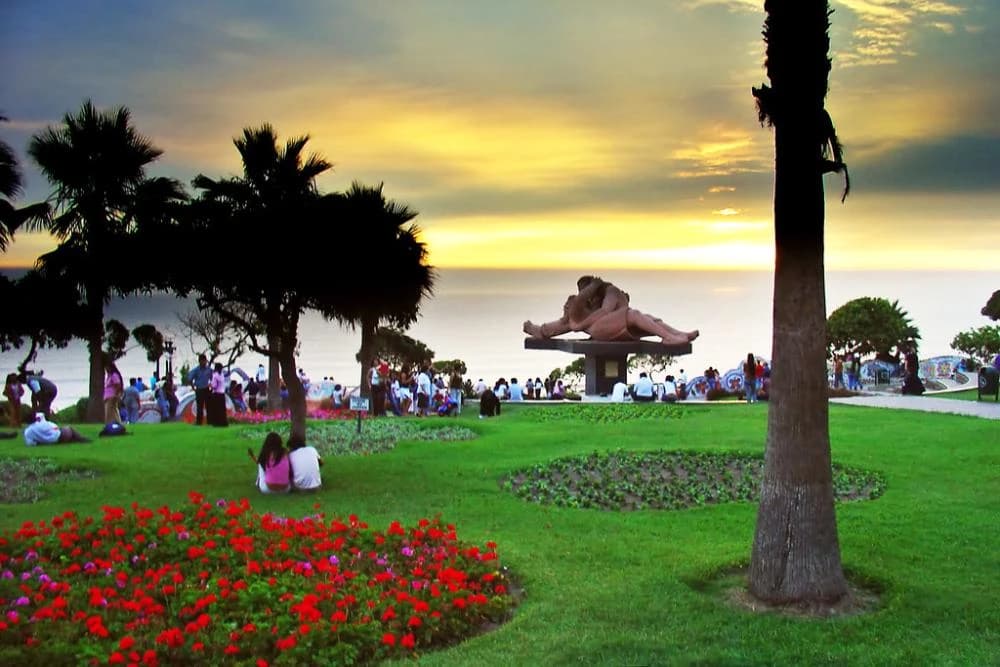
You won't find a more romantic spot to watch the sunset than the Parque del Amor (Park of Love) on the Malecón in Miraflores. Mosaic designs created from tiny tiles line the undulating walls, often compared to those designed by Antoni Gaudí for Parc Güell in Barcelona, Spain. Lines from Peruvian poets - Abelardo Sánchez León and Augusto Tamayo Vargas among them - are worked into the mosaics. Paths meander along the clifftops, lined by flowers and leading to the park's centerpiece, El Beso (The Kiss), a large sculpture of an embracing couple created by Peruvian sculptor Victor Delfín.
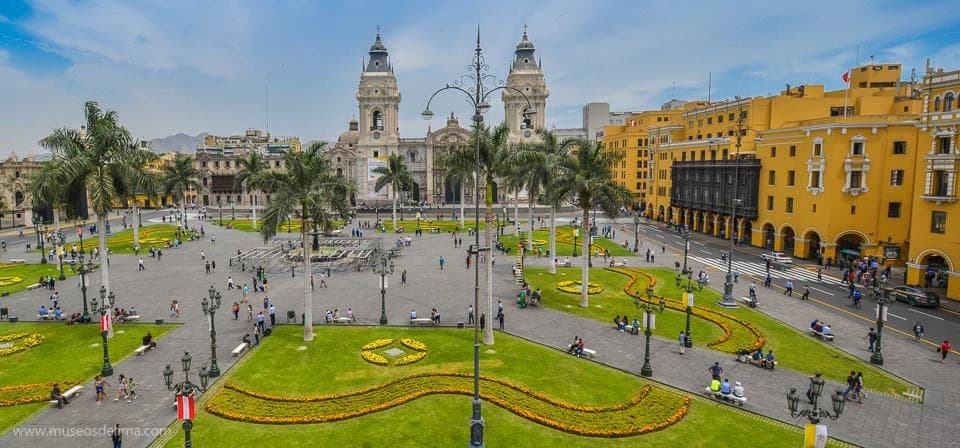
Also called Plaza Mayor, this broad square is the historical center of Lima and the most logical starting point for sightseeing. Most of the buildings from the original city were lost in the earthquake of 1746 - the only original structure standing in Lima's Plaza de Armas is the bronze fountain in the center, built in 1651.
 local
localLanguages:
 English
 Español
Profile verified
 local
localLanguages:
EnglishEspañolProfile verified
 pro
proLanguages:
EnglishEspañolProfile verified
 local
localLanguages:
 PortuguêsEnglish
Profile verified
 local
localLanguages:
PortuguêsEnglishProfile verified
 local
localLanguages:
EnglishEspañolProfile verified
 local
localLanguages:
EnglishEspañolProfile verified
 local
localLanguages:
EnglishEspañolProfile verified
 local
localLanguages:
EnglishEspañolProfile verified
 pro
proLanguages:
EspañolProfile verified
 pro
proLanguages:
PortuguêsEnglishProfile verified
 pro
proLanguages:
EnglishEspañolProfile verified
 pro
proLanguages:
PortuguêsEnglishProfile verified
 local
localLanguages:
EnglishEspañolProfile verified
 local
localLanguages:
EnglishEspañolProfile verified
 local
localLanguages:
 Runa SimiEnglish
Profile verified
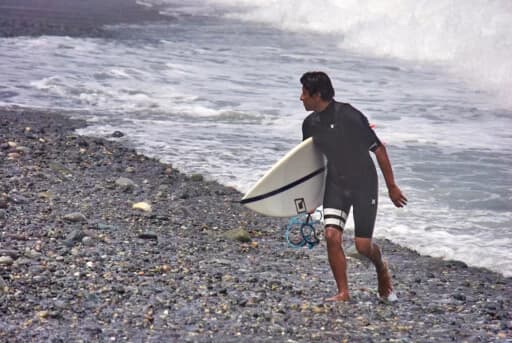 local
localLanguages:
EnglishEspañolProfile verified
 local
localLanguages:
EnglishEspañolProfile verified
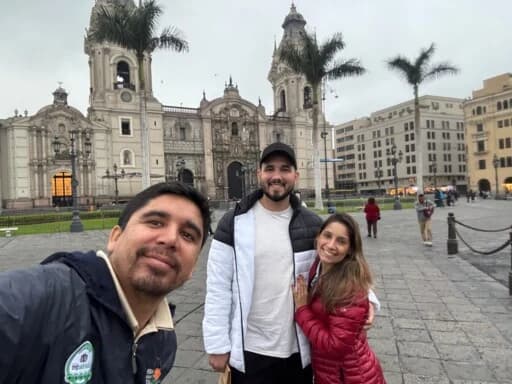 local
localLanguages:
EnglishEspañolProfile verified
 local
localLanguages:
PortuguêsEnglishProfile verified
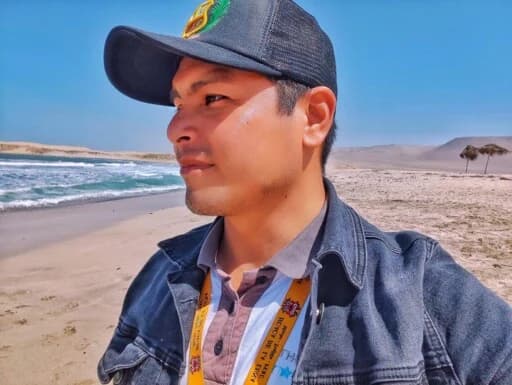 local
localLanguages:
PortuguêsEnglishProfile verified
 pro
proLanguages:
PortuguêsEnglishProfile verified
Find private local guides worldwide. Connect with real people, real stories — not just scripted tours



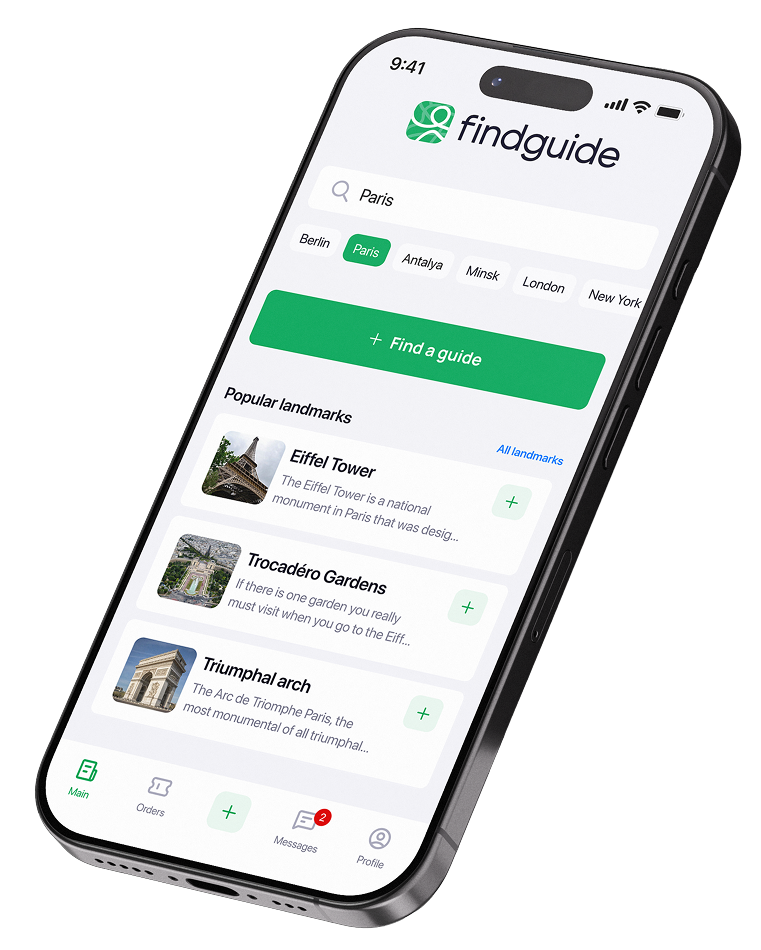

Find a personal guide in just 1 minute and create your dream itinerary!

FindGuide is a platform for finding private and local guides around the world. You can choose a guide in advance who will show you the city from a local perspective, not just the standard tourist route.
Enter the city or country you're interested in into the search bar, choose a guide you like, and send them a request. All bookings are made directly on the platform.
We offer walking, food, historical, driving, private, and family tours in more than 100 destinations.
Yes, all guides go through moderation and verification. You can read reviews from other travelers, check the guide’s rating, and view their profile with photos and experience descriptions.
Tour prices vary depending on the destination, duration, and format. You see the cost upfront — no hidden fees.
Yes, the app is completely free for tourists. You can place your tour requests for local guides and access expert travel content totally free of charge.


