
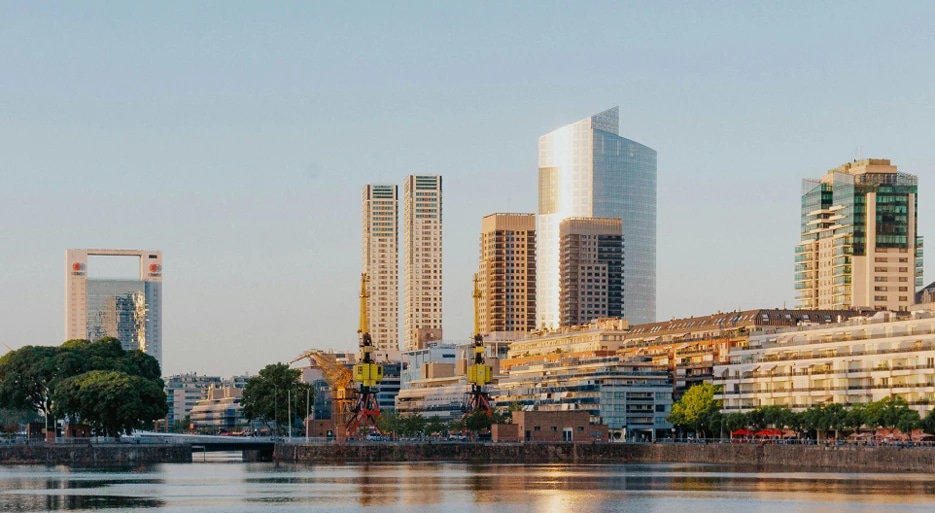
Dive into Buenos Aires’ tango culture, historic neighborhoods, and vibrant street art with a personal guide. From La Boca and San Telmo to hidden cafés and local markets, experience the city like a local
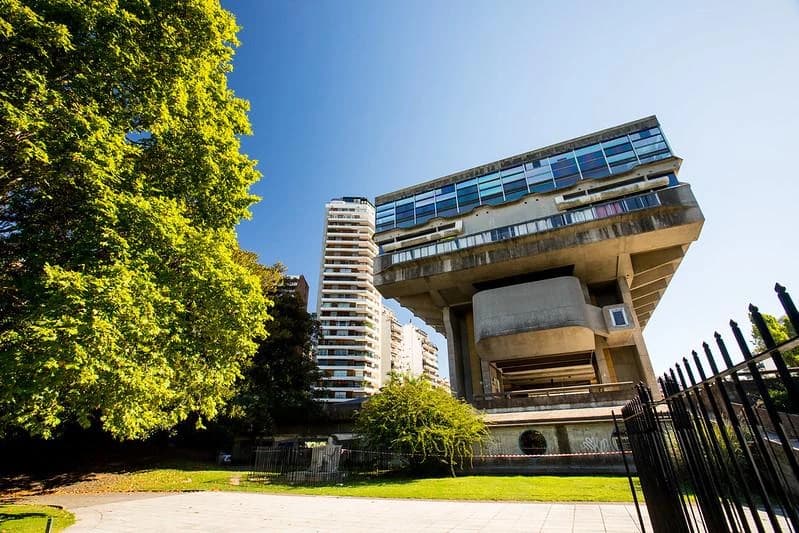
The Mariano Moreno National Library is the largest library in Argentina. It is located in the neighborhood of Recoleta in Buenos Aires. The library is named after Mariano Moreno, one of the ideologists of the May Revolution and its first director. The National Library is an agency under the Ministry of Culture of Argentina.
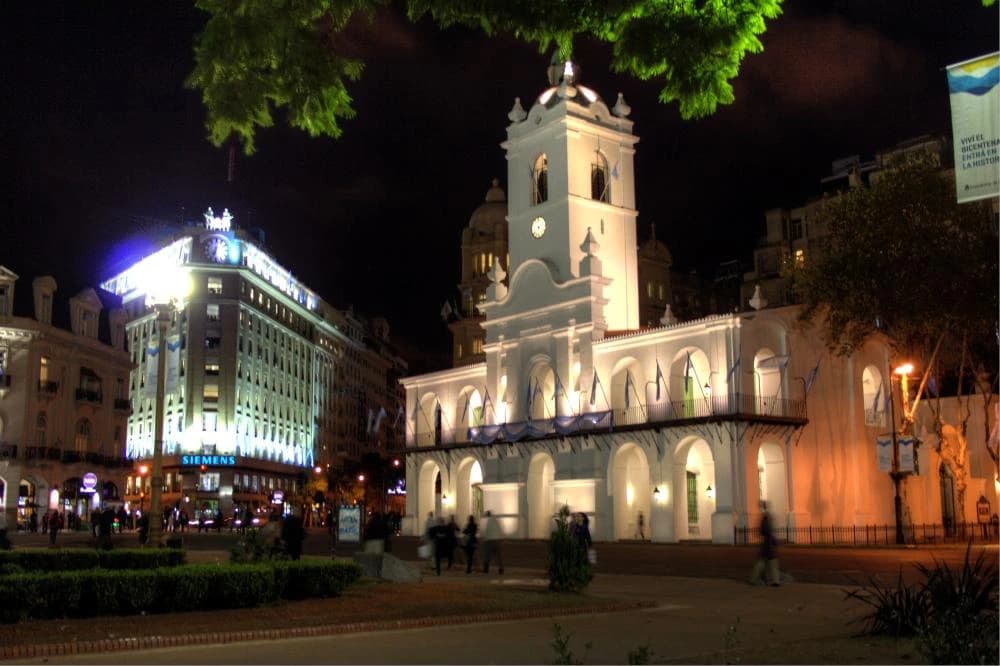
Located in Plaza de Mayo, the beautiful Cabildo served as the seat of the colonial government and was at the epicenter of the May 1810 revolution against Spanish rule. It dates back to 1610 and was later expanded throughout the 18th century. These days this splendid building houses the National Museum of the Cabildo with its numerous exhibits relating to the city during the 18th century, including a replica of the city's first printing press, an exhibit of Jesuit and colonial art, and numerous old maps and photos of the city.
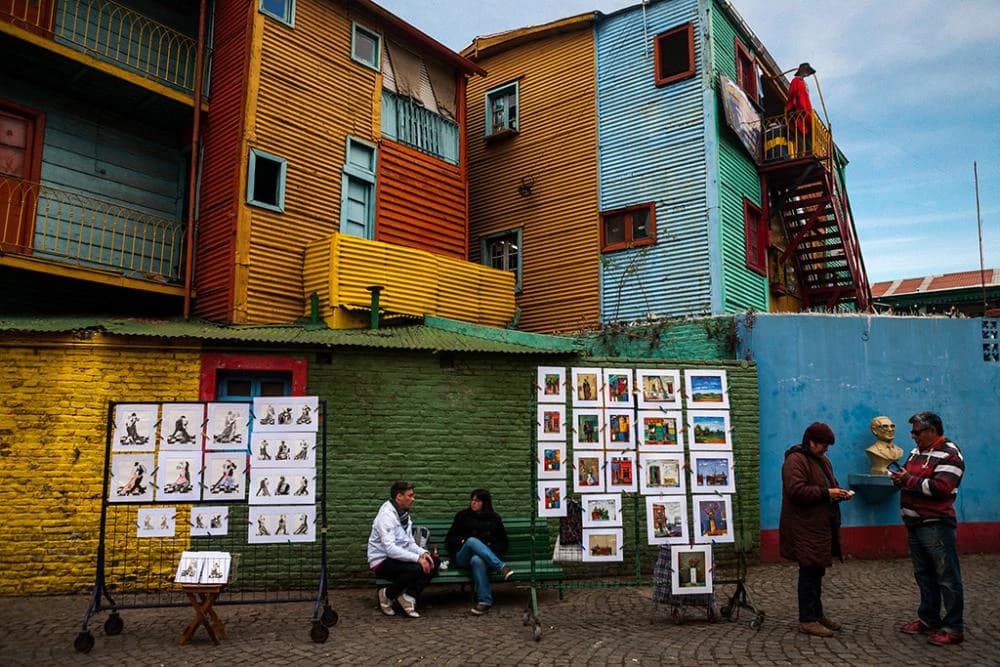
Undoubtedly Buenos Aires' most colorful neighborhood, La Boca is a favorite haunt for artistic and creative types, many of whom take their art outside and onto the streets, decorating balconies and patios with amusing sculptures of tango dancers and other characters. Much of the fun here for visitors is exploring the Caminito Street Museum, a colorful pedestrian-friendly zone that has functioned as an open-air museum and art market since 1959. Painted a patchwork of colors, this string of bright and extremely photogenic buildings offer quality crafts and souvenirs, sculptures, and, for the footloose, free open-air tango demonstrations (the area is in fact named after a tango).
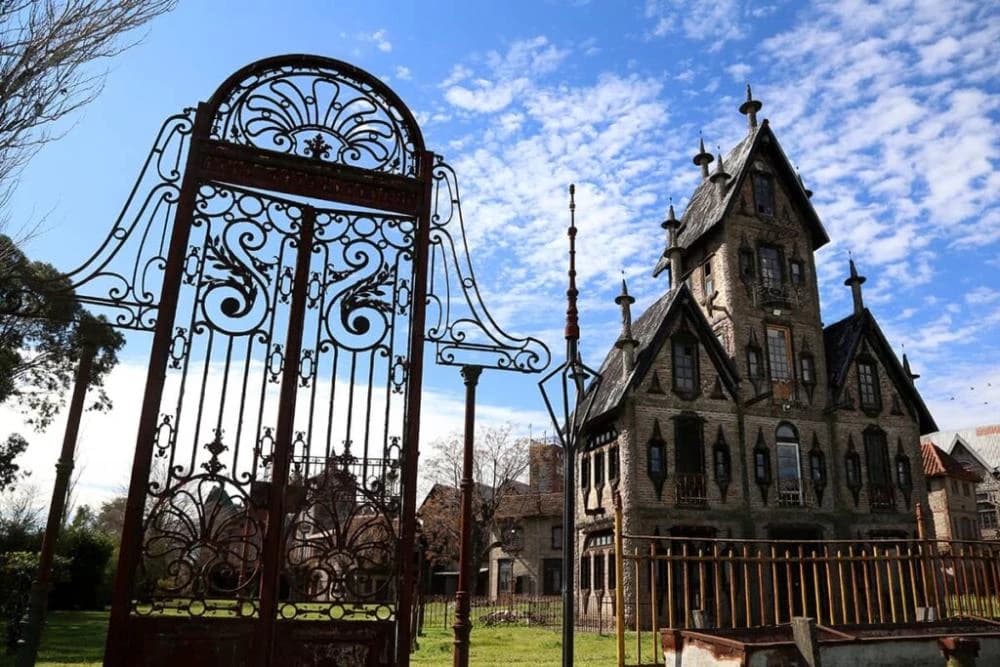
Head to Campanopolis to find a dream world made of medieval houses, cobblestoned streets, fountains, lakes, and bridges. Spanning over 200 hectares (494 acres), the park was almost completely built from recycled and reused materials and remains a popular area for photo sessions with interesting and unusual backdrops
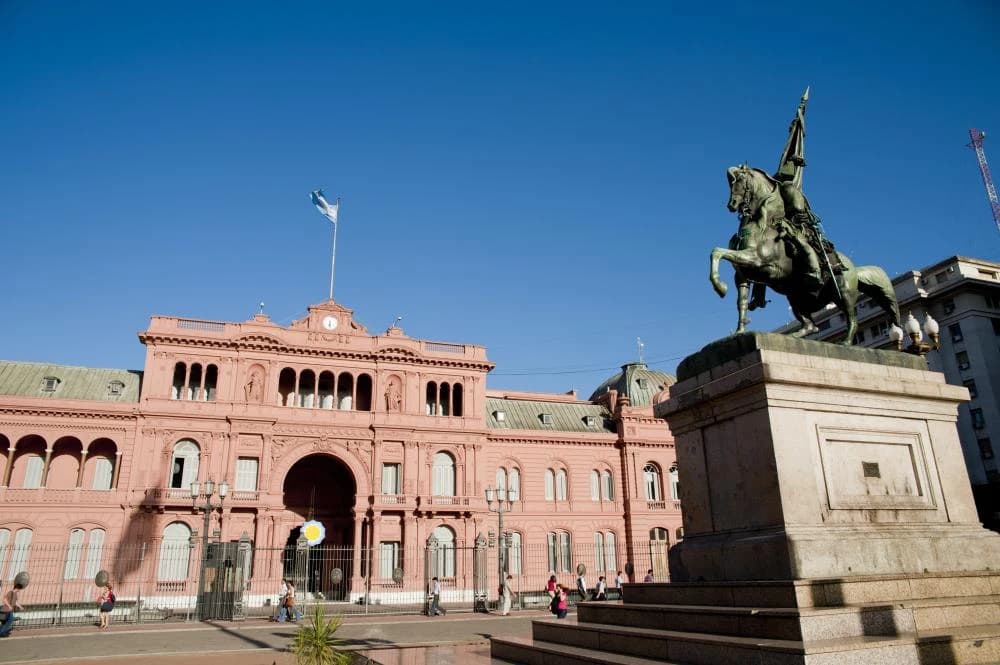
The most famous of Plaza de Mayo's many fine buildings, Casa Rosada was built in the mid 1800s and stands on a site known to have been occupied by an old customs house and fort dating back to the 16th century. Literally translated as the "Pink House," Casa Rosada - officially known as Casa de Gobierno, or the government house - is the official residence of the President of Argentina.
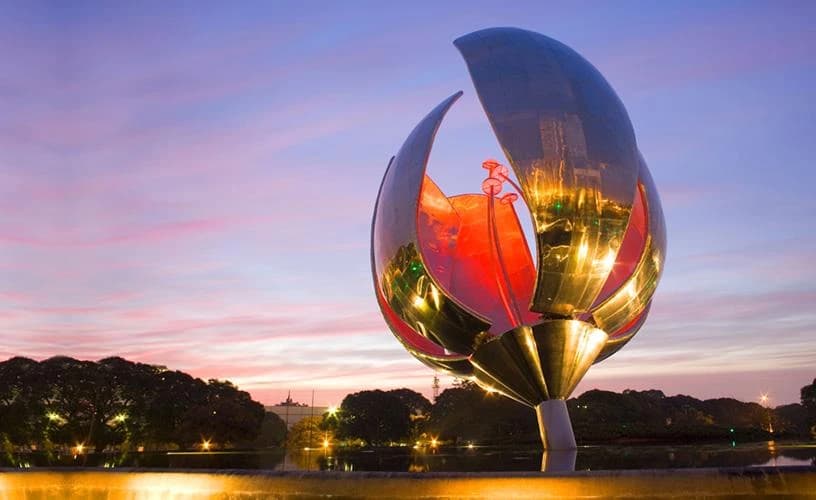
find time to visit the city's most interesting outdoor sculpture, Floralis Genérica, a massive steel and aluminum flower in the midst of Plaza de las Naciones Unidas that even closes at night and emanates a pleasing red glow.
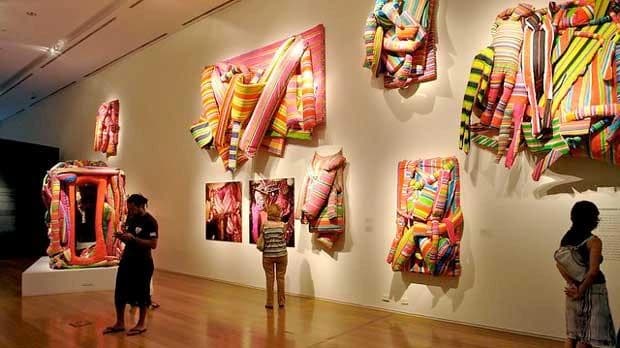
Buenos Aires has long had a reputation as one of South America's most significant centers for art. One of the newest and most impressive galleries is the Latin American Art Museum of Buenos Aires (MALBA). Housed in a superb modern building resembling a number of interlocking cubes, this world-class museum has numerous works by modern artists from across Latin America and serves as a cultural center showcasing the country's film and visual arts.
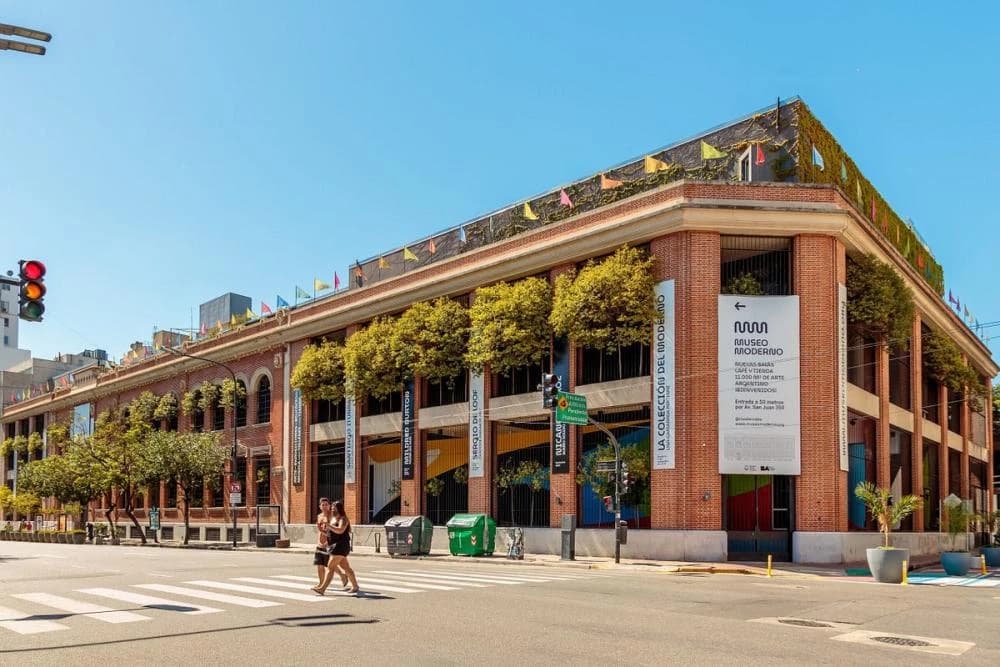
Also of importance to the art world is the splendid Buenos Aires Museum of Modern Art (Museo de Arte Moderno de Buenos Aires). Housed in a former tobacco warehouse, it's home to a collection of exhibits by local painters and sculptors along with permanent exhibits of local and international artists including Salvador Dali and Pablo Picasso.
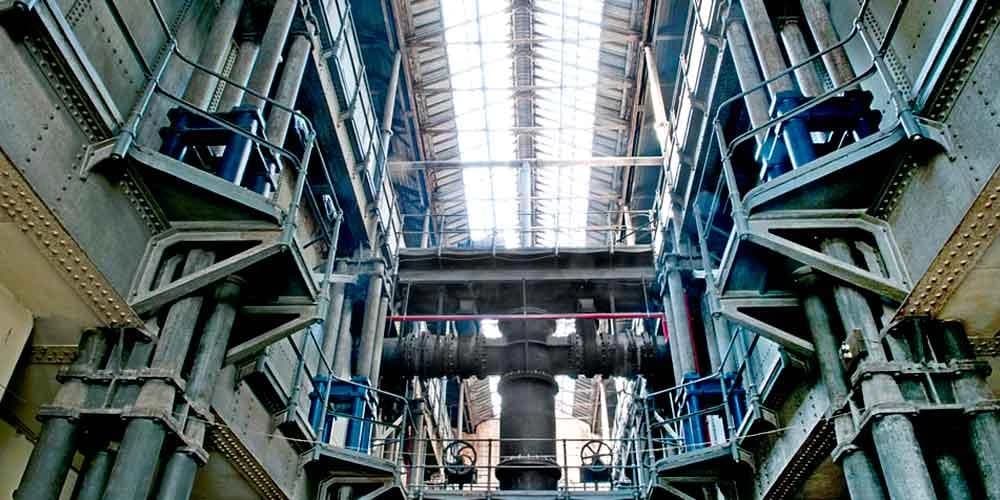
The Palace of Running Waters is an architecturally significant water pumping station in Buenos Aires, Argentina and the former headquarters of Obras Sanitarias de la Nación. It is currently administered by Water and Sanitation. Inside there are the Historical Heritage Museum, the House Plan Archive, and the company's administrative offices.
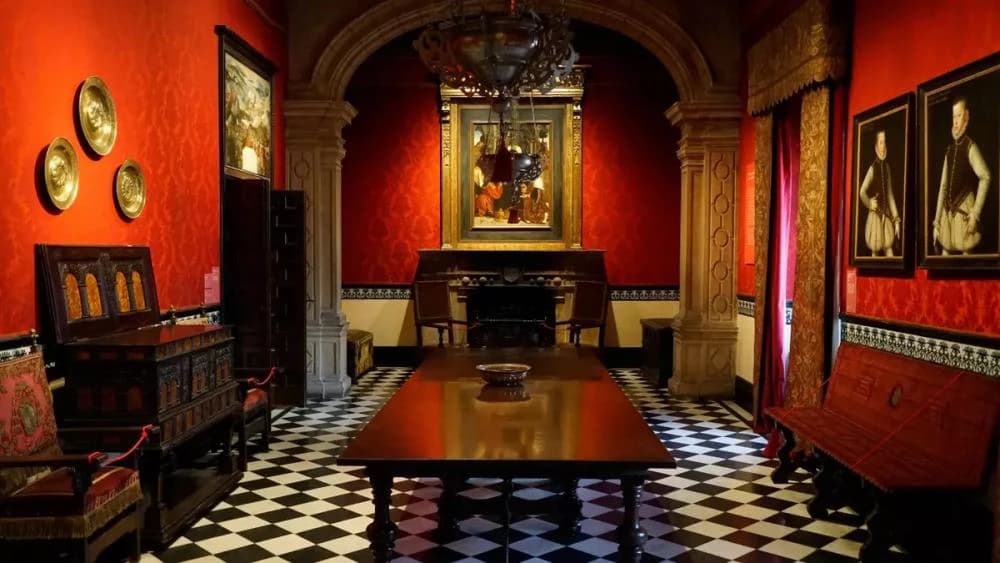
Museum of the Spanish Art of Enrique Larreta, with its impressive collection gathered by the famous writer, and the Fortabat Art Collection, a fine art gallery opened in 2008.
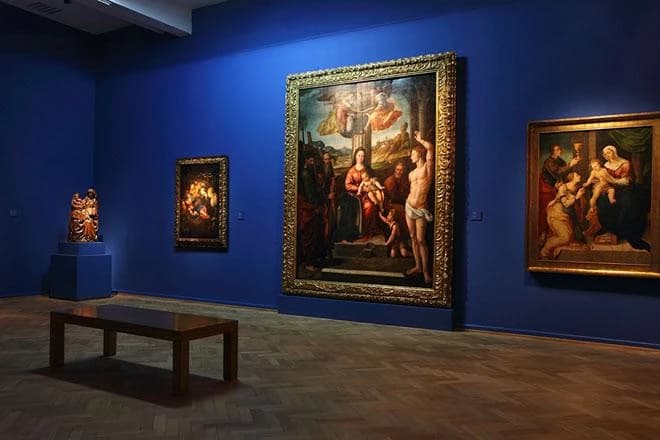
The National Museum of Fine Arts (MNBA), located in the City of Buenos Aires, is one of the most important public art institutions in Argentina. It houses an extremely diverse heritage, which includes more than 12,000 pieces, including paintings, sculptures, drawings, engravings, textiles and objects. Its collection is made up of pre-Columbian, colonial, Argentine and international art, in a time range that goes from the 3rd century BC. C. to the present. The museum hosts works by Goya, Rembrandt, Van Gogh, Rodin, Manet and Chagall among other artists
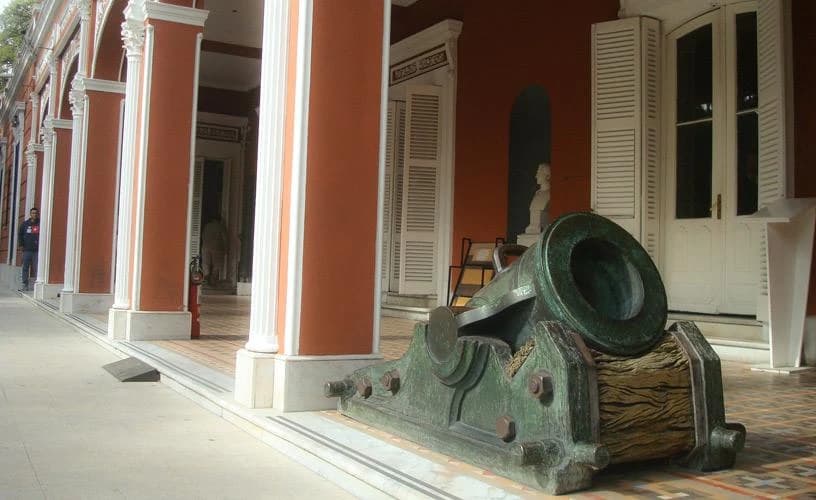
The biggest attraction in San Telmo, though, is the excellent National Historical Museum (Museo Histórico Nacional) with its displays relating to the history of Argentina. All told, the museum houses more than 50,000 artifacts, the most important being its collection of paintings by Cándido López, a forerunner of contemporary primitive painting.
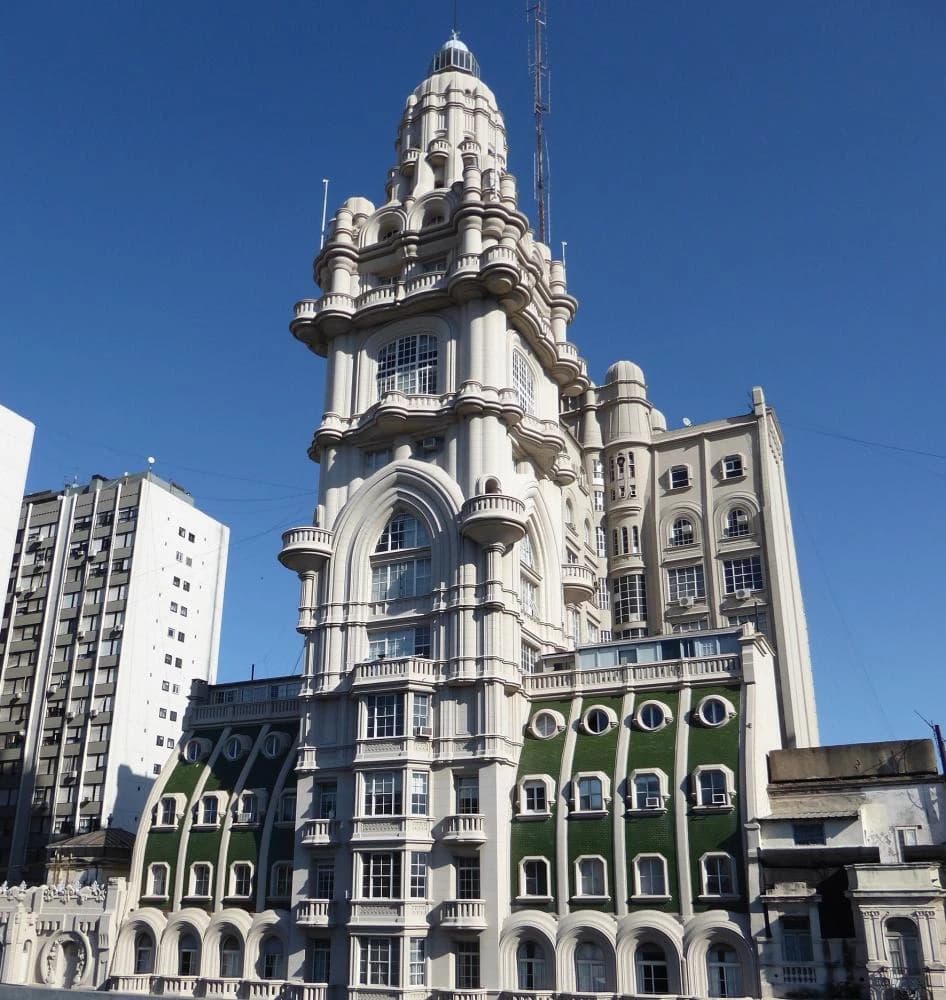
Palacio Barolo is a landmark office building, located at 1370 Avenida de Mayo, in the neighborhood of Montserrat, Buenos Aires, Argentina. It stood as Buenos Aires' tallest building for more than a decade until the construction of the Kavanagh Building in 1936.
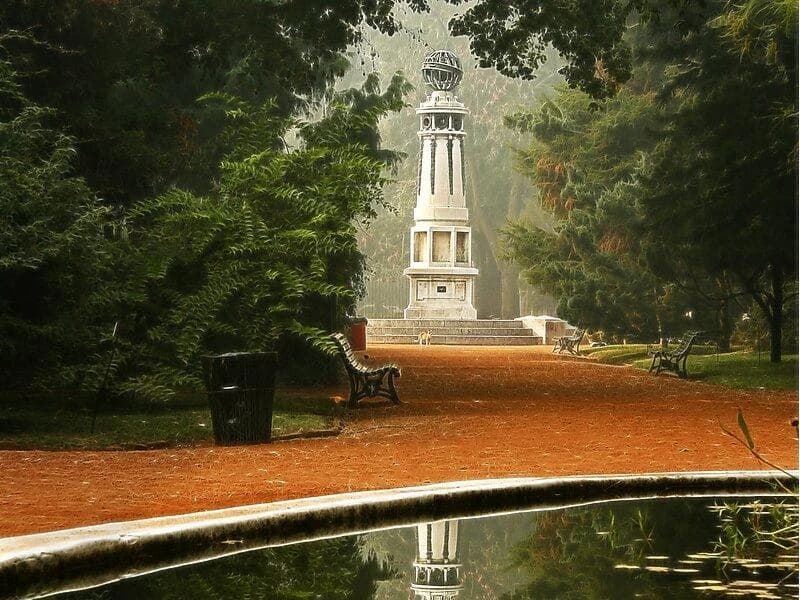
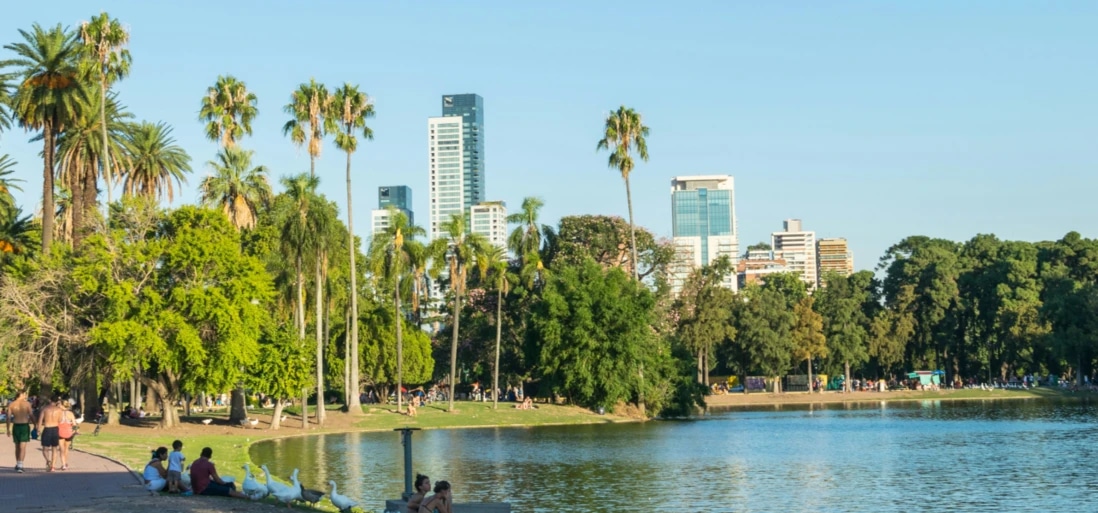
Palermo, the major recreational spot for Porteños (as residents of Buenos Aires are known), is where many of the city's largest and most popular parks lie. Once part of the estate of dictator Juan Manuel de Rosas, these days the area is home to a plethora of fine ethnic restaurants and Avant-garde fashion establishments. It's here, too, that you'll find Jardín Botánico, the city's excellent botanic gardens with its numerous lakes, bridges, and sculptures spread across 20 acres of paradise. Established in 1898, the gardens boast some 5,000 flower species from around the world, including many from Argentina.
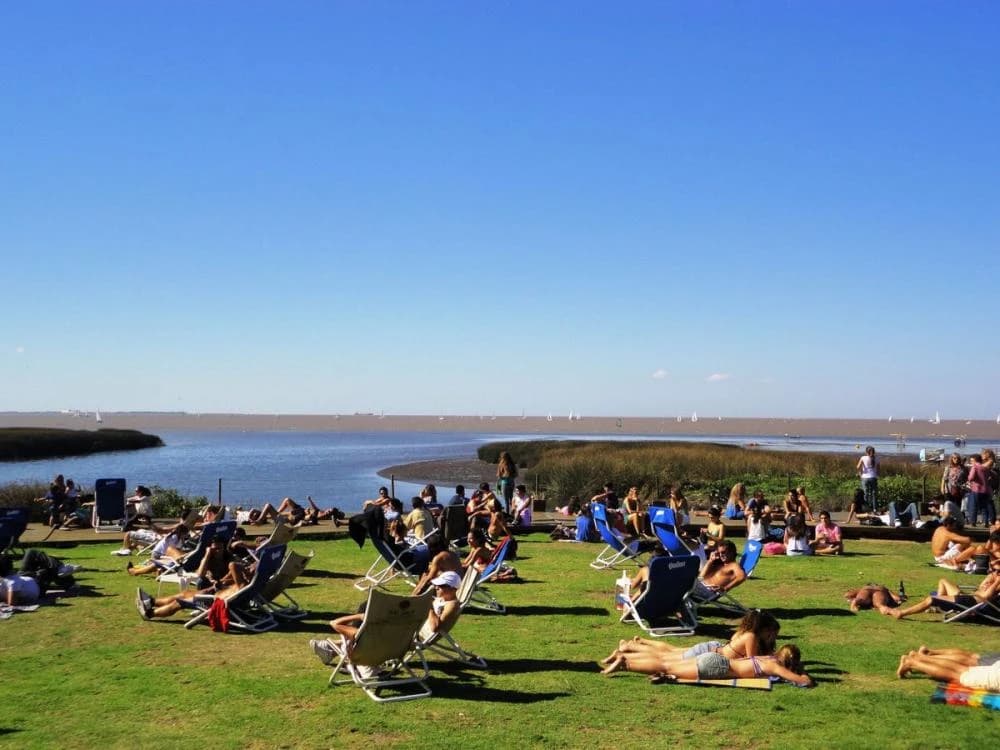
Peru beach is the perfect spot for a sunny day. You have several activities to do or just relax and enjoy the sun!.
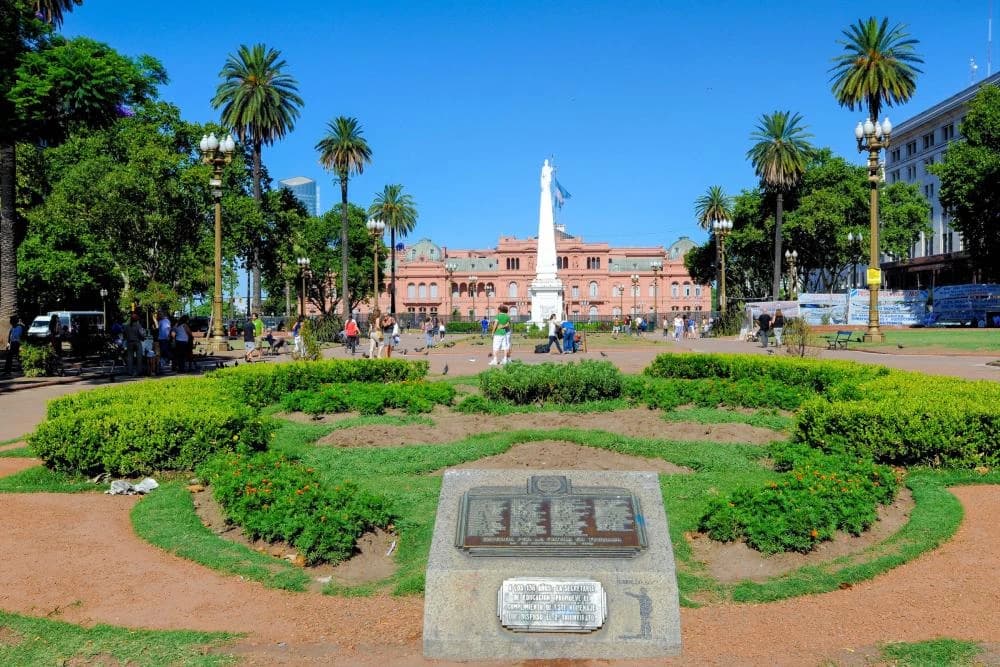
Buenos Aire's Belle Époque is evident in the splendid old colonial buildings found in Plaza de Mayo. Established in the 16th century, this delightful two-block-long plaza has been the stage for many important events in the city's history, from the uprising against Spain in 1810 to the continuing vigils held by the Madres de la Plaza de Mayo (Mothers of Plaza de Mayo) whose children "disappeared" during the military junta's reign from 1976 to 1983
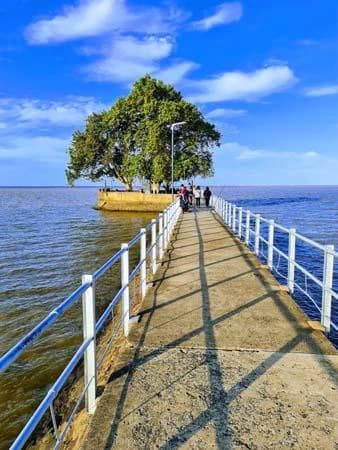
It's a very nice small place. You can have a good view of some sailboats, walk and there's also a good restaurant.
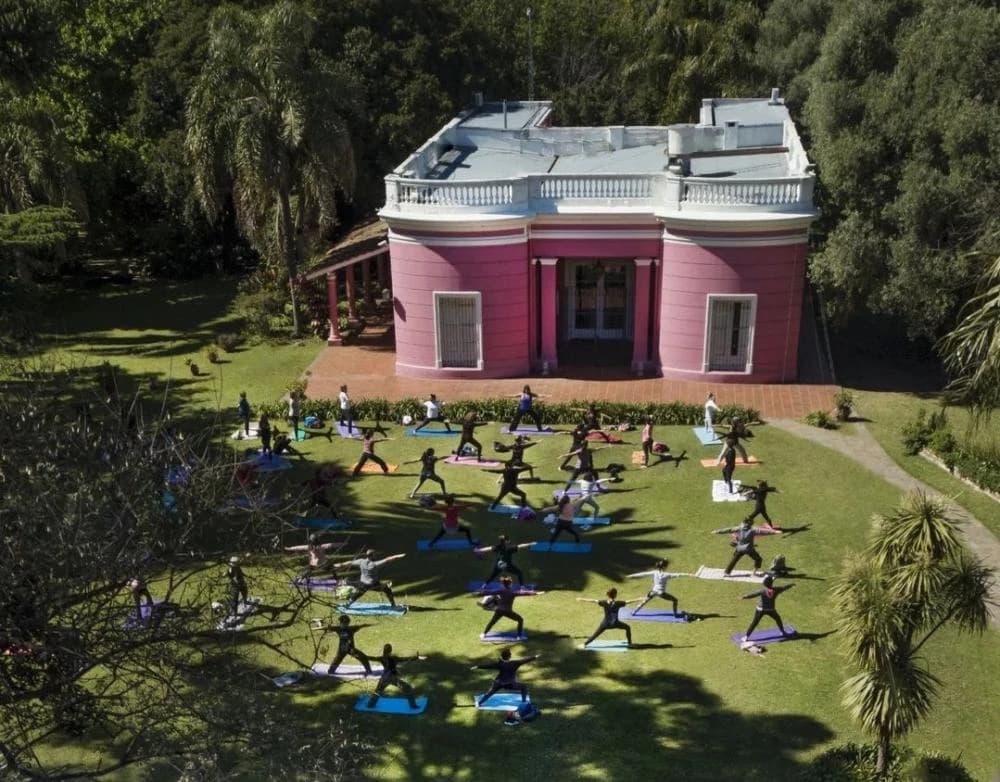
In this place, a local piece of electricity offers cultural activities for free, Exhibitions, yoga, gym are some of the options you can find there.
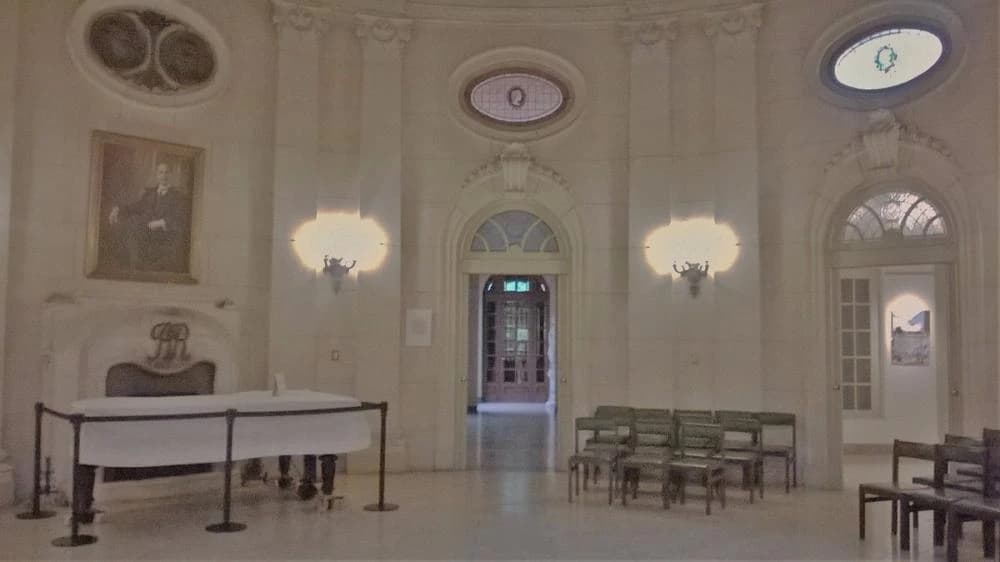
Beautiful place to enjoy from the moment you pass the entrance door to your garden until the last corner of the place. They have sculptures outside that are worth admiring, if it is a sunny day, much better, since it is a period building that amalgamates with all the work exhibited there, among flowers, trees, and plants of great beauty. The paintings on display are intelligently grouped so that the visitor's eye enjoys their details. The architecture of the place is exquisite, with beautiful materials, painting on the ceiling of the round room so typical of those mansions, colorful vitroux in windows. Great museum and in a beautiful place in our city, Vicente López, and easily accessible since it is a few blocks from Av. Maipú.
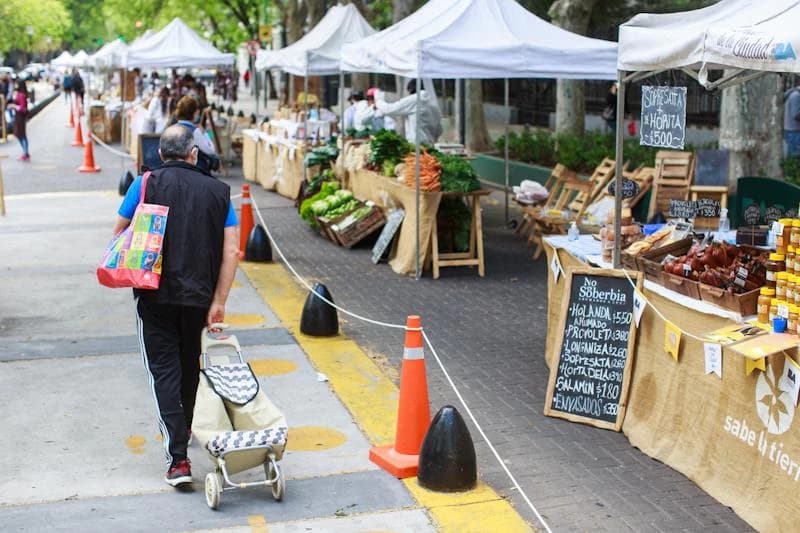
Treat your body to some natural and organic food and drink at sabe la tierra. The outdoor market sells meat, breads, fruits, vegetables, cheeses, oils, and drinks. In addition to food, you'll also find seeds and seedlings, textiles, and wool craft items. Take children to the play area adjacent to the market and the resume browsing through the various offerings. The market provides some wooden tables and benches where you can sit down to eat your food.
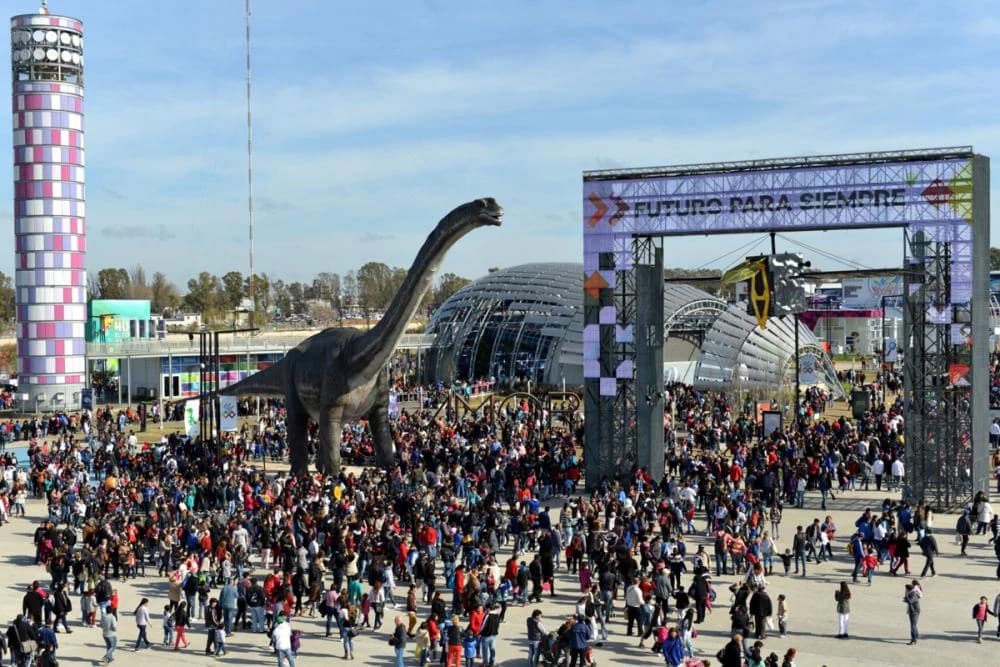
Explore the past, present, and future of Argentinean science and technology research at Tecnopolis. This fun and engaging set of exhibits tells the story of scientific progress on a national, regional, and global scale through over 100 interactive areas split into five different regions, each designed to balance action and fun with education and learning. Informative posters along a well-ordered, walkthrough timeline mark milestone moments in scientific history. You can tour the attraction using the onsite train, and take a break at one of the main eateries located here.
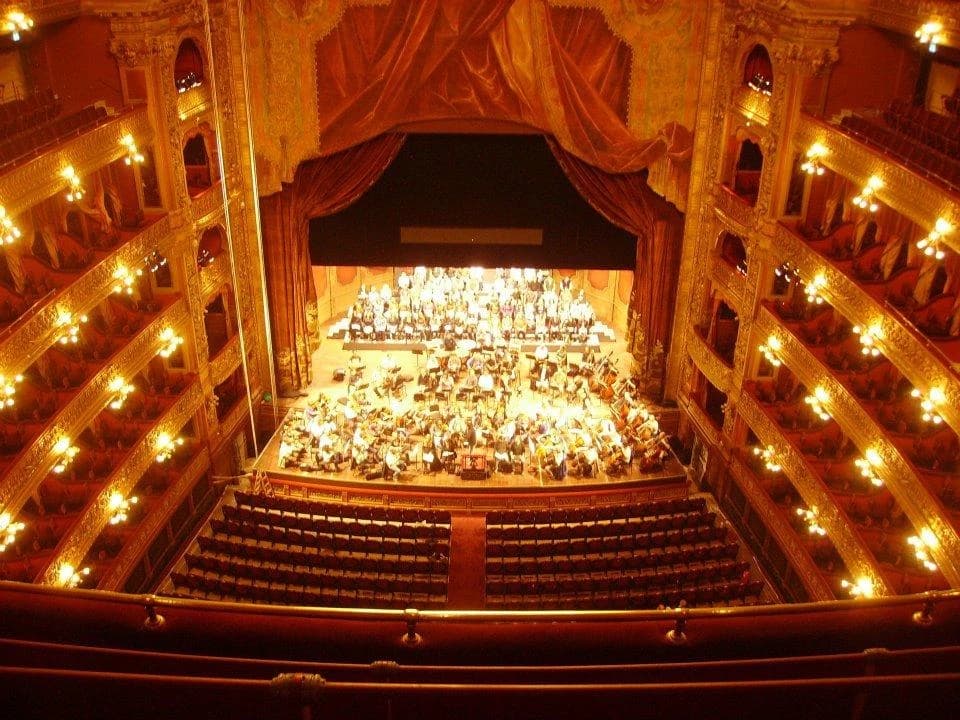
No lover of great theater (or, for that matter, great theaters) should pass up the chance to visit Buenos Aires' many fine performance halls. Perhaps the best known is the stunning Colón Theater (Teatro Colón), a world-class opera, ballet, and classical music facility opened in 1908 that has hosted the likes of Callas, Toscanini, Stravinsky, Caruso, and Pavarotti. Guided tours of the theater, considered to boast some of the world's best acoustics, provide a fascinating glimpse into the building's inner workings, from set-building to costume making (even wig-making). It's an experience that can only be topped by enjoying a performance in its sumptuous auditorium. Other places of entertainment to visit include Teatro Gran Rex, a lovely Art Deco cinema opened in 1937, and Teatro Cervantes, home to the Buenos Aires National Theatre Museum with its displays relating to theater, film, and musical productions.
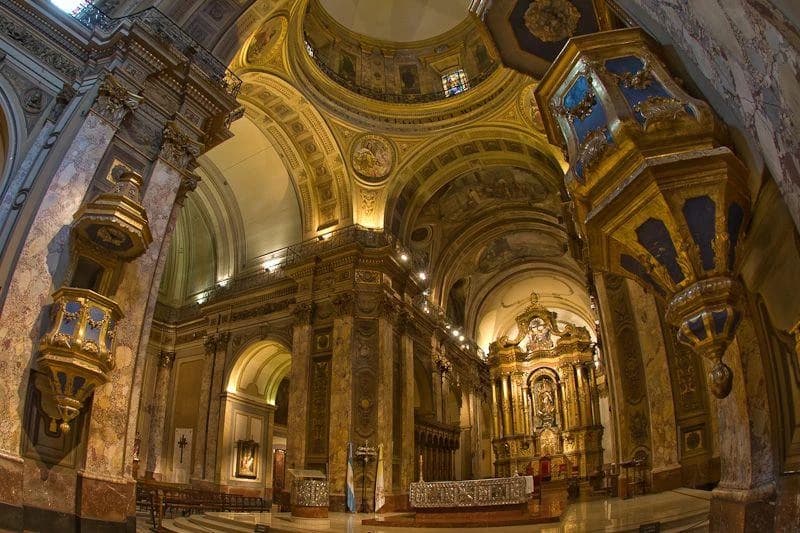
While construction of its Neoclassical façade wasn't initiated until 1822, Buenos Aires Metropolitan Cathedral (Catedral Metropolitana) overlooks Plaza de Mayo and can trace its roots back to the early 16th century when the Spanish established one of the country's first churches here. Despite its rather plain exterior, this catholic church boasts a lovely Neo-Renaissance and Neo-Baroque interior along with numerous important artworks, including 18th-century altarpieces and statues. There's also a Walcker organ dating from 1871 that includes an impressive 3,500 pipes and is regarded as one of the finest of its kind. Also of interest here is the tomb of one of Argentina's most revered revolutionary heroes, General José de San Martín.
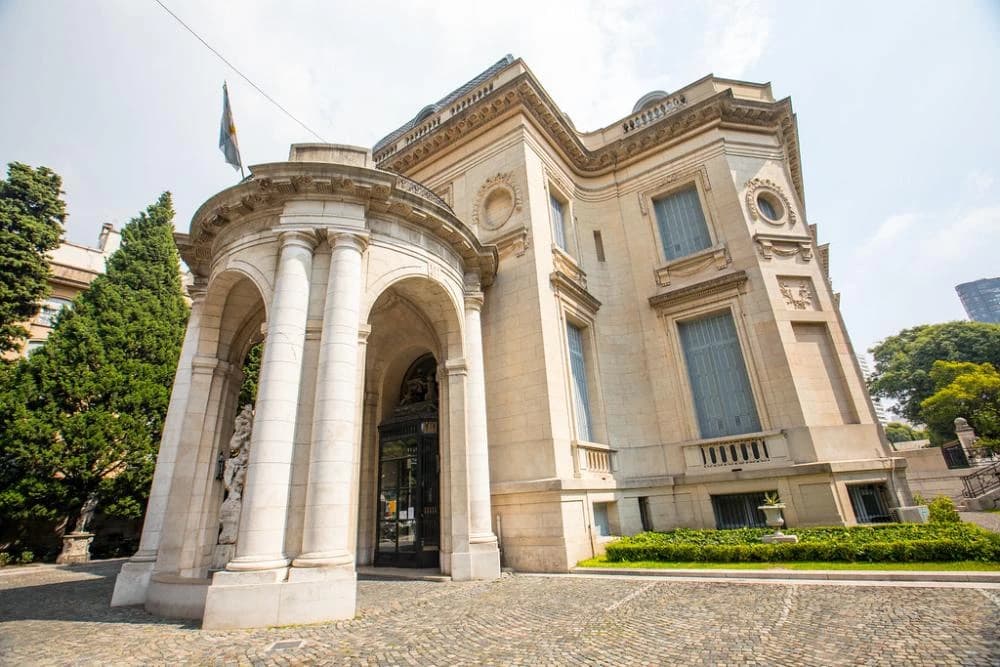
Opened in 1911 in the stunning Palacio Errázuriz, a landmark Classical French-style building in the heart of the Recoleta district, the excellent National Museum of Decorative Art (Museo Nacional de Arte Decorativo) is a must for art enthusiasts as well as those who enjoy great architecture. Highlights of the museum's collection include paintings by Spanish mannerists and French Impressionists plus Renaissance and Baroque furniture, tapestries, porcelain, and silver.
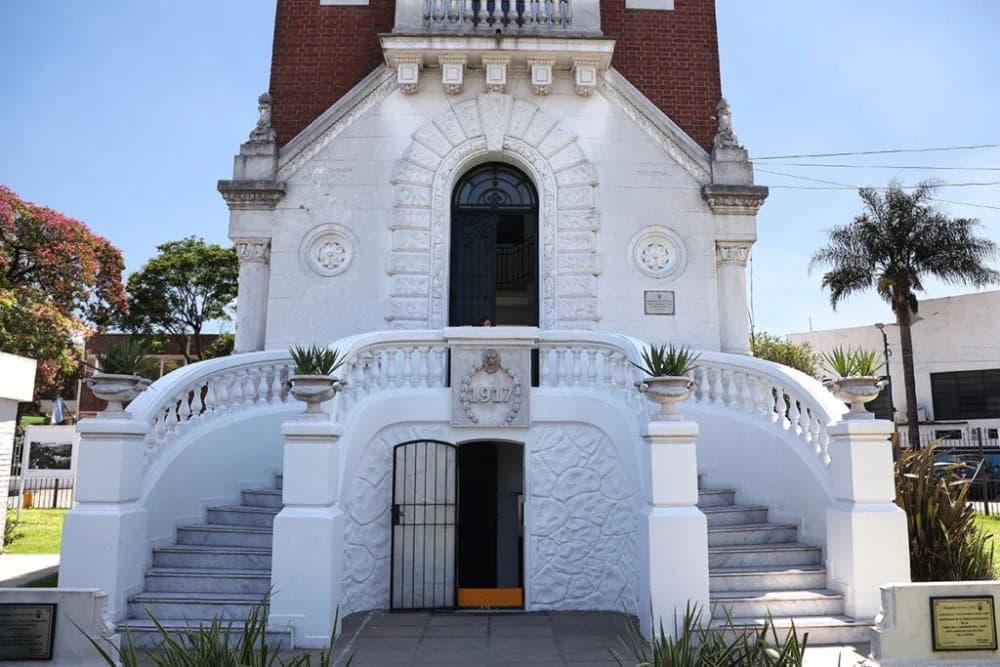
The Torre Ader (Ader Tower in English) is an 18th-century Florentine-style tower located in Carapachay in Vicente López Partido, Buenos Aires, Argentina. It is an historical monument built in similar style to the Torre Monumental (Monumental Tower) in Buenos Aires. It reaches a height of 42.30 m (138 ft 9+1⁄2 in) The tower was conceived in 1916 by Bernado Ader as Torre de la Independencia (Independence Tower) in honour of his deceased children and as a monument to the centenary of Argentine independence. Construction began in 1917; the architects were Artaza and Marino and the construction company was P. Stefanetti and Sons.
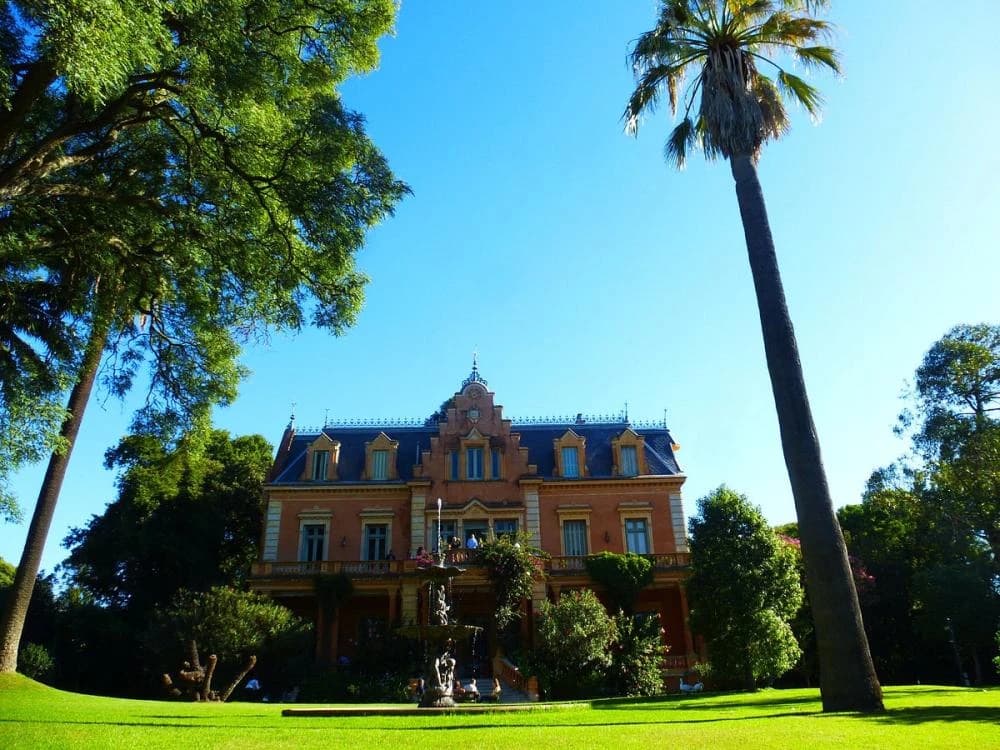
A charming house with a rich history, Villa Ocampo is the former home of Victoria Ocampo, one of Argentina's strongest cultural voices of the 20th century. Built in 1891 in an eclectic mix of British and French styles, the house became Ocampo's permanent residence in 1940. The influential founder of "Sur" magazine hosted such artistic luminaries as Albert Camus, Graham Greene, Le Corbusier, and Igor Stravinsky here. Since a 2003 restoration, the house has served as a museum providing an important look into Ocampo's life and career.
 local
localLanguages:
 English
 Español
Profile verified
 local
localLanguages:
EnglishEspañolProfile verified
 local
localLanguages:
EnglishEspañolProfile verified
 pro
proLanguages:
EnglishEspañolProfile verified
 local
localLanguages:
EnglishEspañolProfile verified
 pro
proLanguages:
 PortuguêsEnglish
Profile verified
 local
localLanguages:
PortuguêsEnglishProfile verified
 pro
proLanguages:
PortuguêsEnglishProfile verified
 local
localLanguages:
EnglishEspañolProfile verified
 local
localLanguages:
EnglishEspañolProfile verified
 local
localLanguages:
PortuguêsEnglishProfile verified
 pro
proLanguages:
PortuguêsEnglishProfile verified
 pro
proLanguages:
EnglishEspañolProfile verified
 local
localLanguages:
EnglishEspañolProfile verified
 local
localLanguages:
PortuguêsEnglishProfile verified
 local
localLanguages:
PortuguêsEspañolProfile verified
 pro
proLanguages:
EspañolProfile verified
 local
localLanguages:
EnglishEspañolProfile verified
 local
localLanguages:
 עבריתEnglish
Profile verified
 pro
proLanguages:
EnglishEspañolProfile verified
 local
localLanguages:
PortuguêsEnglishProfile verified
 local
localLanguages:
 Türkçe
Profile verified
 pro
proLanguages:
PortuguêsEnglishProfile verified
 pro
proLanguages:
PortuguêsEnglishProfile verified
 local
localLanguages:
EnglishEspañolProfile verified
 local
localLanguages:
EnglishEspañolProfile verified
Find private local guides worldwide. Connect with real people, real stories — not just scripted tours



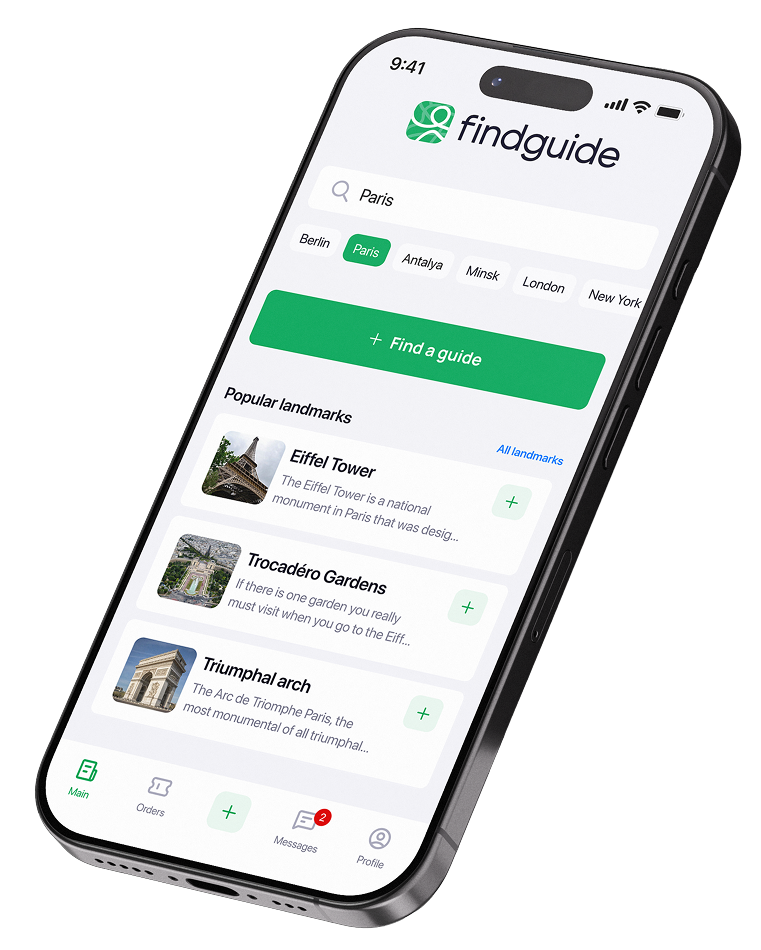

Find a personal guide in just 1 minute and create your dream itinerary!
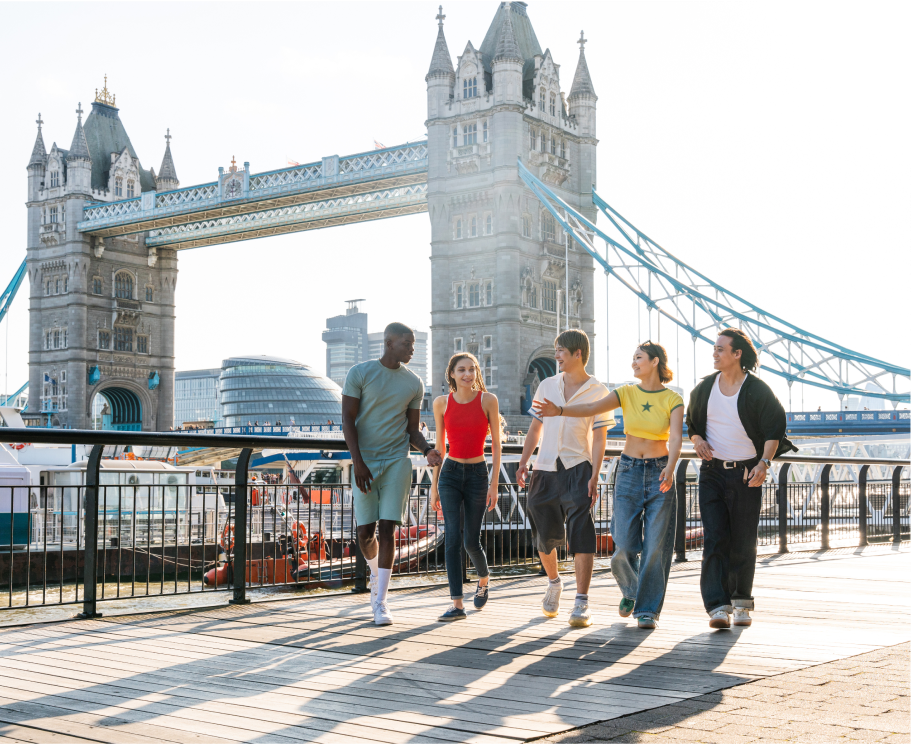

FindGuide is a platform for finding private and local guides around the world. You can choose a guide in advance who will show you the city from a local perspective, not just the standard tourist route.
Enter the city or country you're interested in into the search bar, choose a guide you like, and send them a request. All bookings are made directly on the platform.
We offer walking, food, historical, driving, private, and family tours in more than 100 destinations.
Yes, all guides go through moderation and verification. You can read reviews from other travelers, check the guide’s rating, and view their profile with photos and experience descriptions.
Tour prices vary depending on the destination, duration, and format. You see the cost upfront — no hidden fees.
Yes, the app is completely free for tourists. You can place your tour requests for local guides and access expert travel content totally free of charge.


