
Explore Barcelona with a private guide. Admire Gaudí’s masterpieces like Sagrada Familia and Park Güell, stroll through the lively Las Ramblas, and savor authentic Catalan cuisine. Personalized tours reveal hidden gems, local stories, and unforgettable moments in Spain’s vibrant cultural capital.
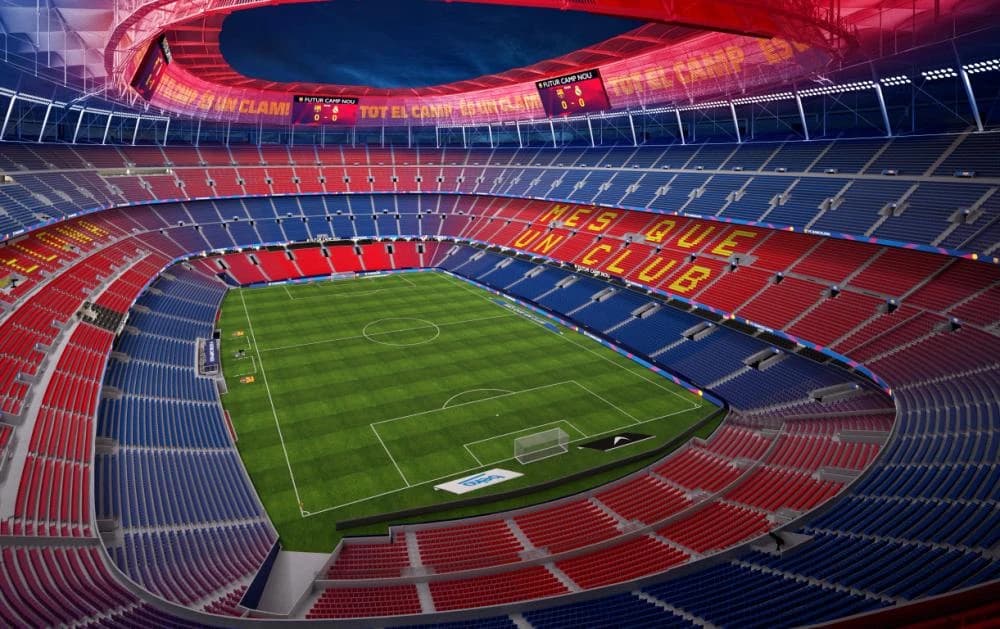
Camp Nou, the FC Barcelona Football Stadium, was inaugurated in 1957. It is one of the largest stadiums in the world and one of the biggest in capacity. Callous witness to FC Barcelona’s victories and defeats, the stadium has become famous worldwide, attracting devotion and admiration from Barcelona’s fans and animosity from rival team fans. The Camp Nou Experience is a tour that will give all football fans the chance to explore the stadium. The guided tour includes a visit to the locker rooms, a walk through the tunnel to the field, just like the players do before the match starts and visitors will also step on the turf, where so many legendary matches have been played. The tour also includes a walk through the Stadium’s lounges, VIP seats, the bench and the press room while the English-speaking guide discloses the history of the stadium and the team’s most important victories. The tour finishes at the FC Barcelona Museum, which is packed with photographs, trophies and personal items belonging to some of the team’s most legendary football players. These objects reflect the team’s story throughout the years.
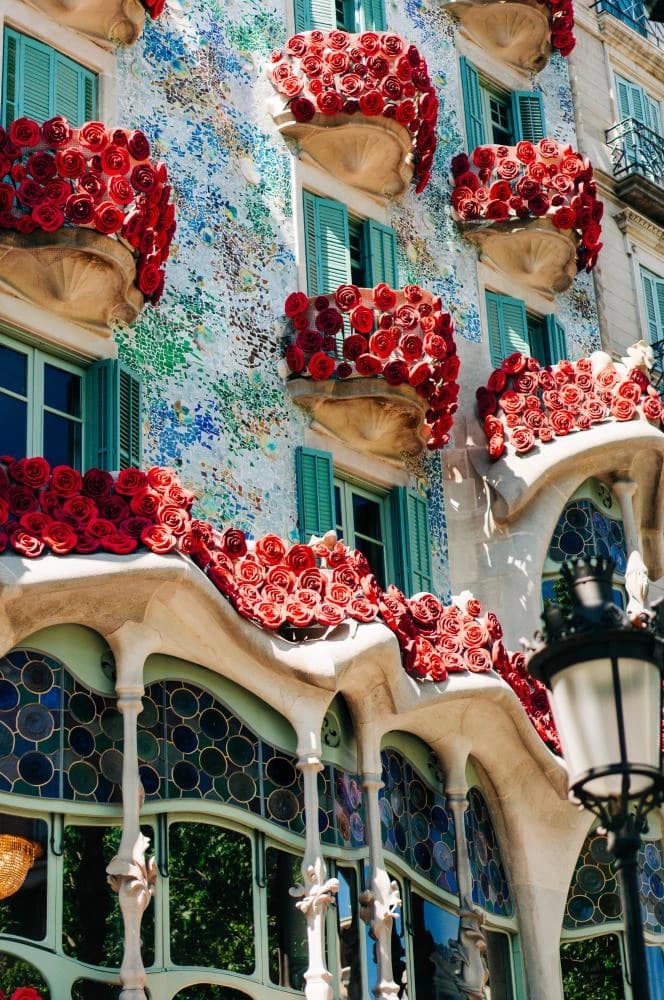
Casa Batlló is a famous building in the heart of Barcelona built between 1904 and 1906. It was commissioned by Josep Batlló, a Spanish entrepreneur, to Antoni Gaudí. Casa Batlló is one of the architect’s masterpieces, along with the Sagrada Familia. As well as a magnificent example of Catalan Modernist architecture, it is considered worldwide as an artistic chef d’oeuvre. Once inside the striking building, visitors will tour the Batlló family’s former residence and discover each of its nooks and crannies, including the beautiful Patio de Luces (the building’s main staircase and light well), as well as the legendary rooftop and chimneys. Much of the façade is decorated with a mosaic made of broken ceramic tiles that starts in shades of golden orange moving into greenish blues. The roof is arched and was likened to the back of a dragon or dinosaur. A common theory about the building is that the rounded feature to the left of center, terminating at the top in a turret and cross, represents the lance of Saint George (patron saint of Catalonia, Gaudi's home), which has been plunged into the back of the dragon.
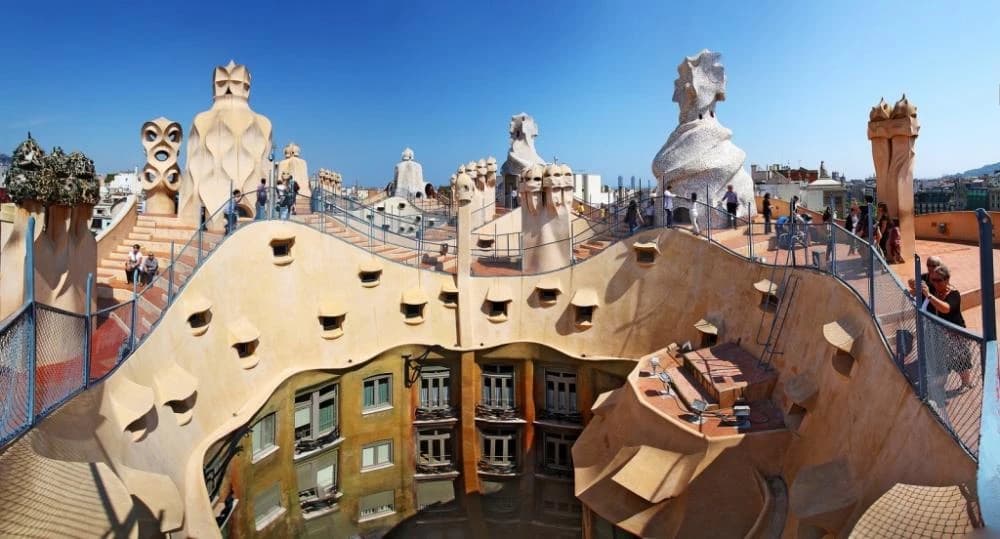
Casa Milà, which is known as La Pedrera due to its stony appearance, is a surprising modernist building designed between 1906 and 1912 by Gaudí, a famous Spanish Catalan architect. This striking building sits in Passeig de Gràcia and reflects the architect’s singular and distinctive style. During the same period, he worked on other projects throughout the city. "La Pedrera" means "the quarry". The Casa Milà got this nickname because of the unusual construction. The large stone slabs of the façade were first attached and then worked on by the stonemasons. And the façade, with its irregular shapes, is also reminiscent of a quarry. The highlight - in two senses of the word - of the Casa Milà is without a doubt the roof. Not only the outstanding view over the city attracts the attention of the visitors. The chimneys, ventilation shafts and staircases with their imaginative colors and shapes do it much more. Some chimneys look like medieval knights watching over the roof.
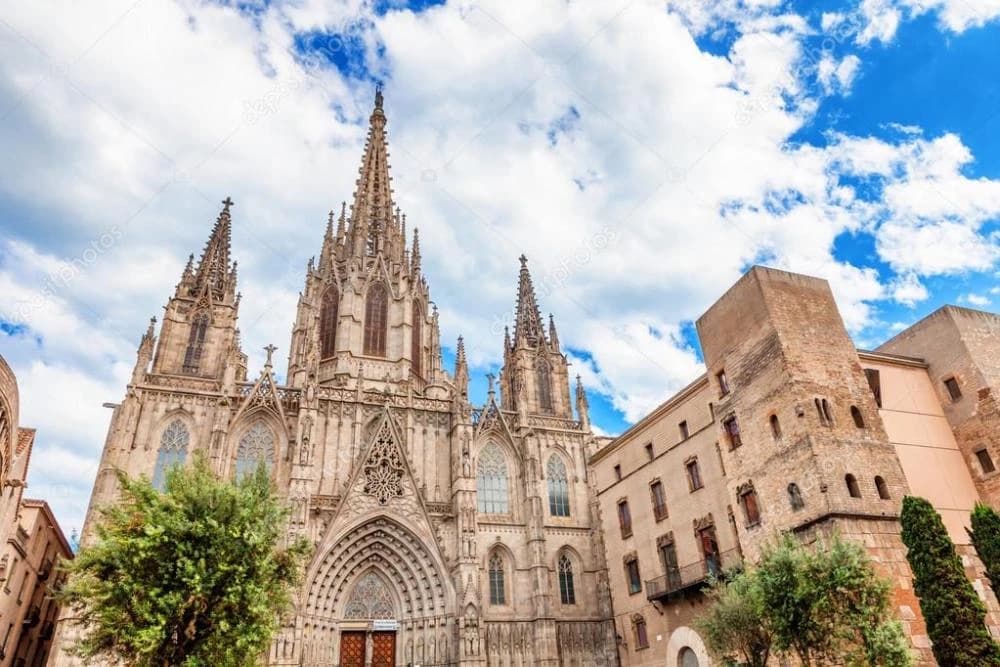
Barcelona Cathedral, also known as the Cathedral of the Holy Cross and Saint Eulalia, is a famous example of fifteenth-century Catalan Gothic architecture. Although the Cathedral is not as famous as the Sagrada Familia, it is a magnificent Gothic-style temple beloved by locals and foreigners. The site where the Cathedral currently sits has housed various Christian temples from the fourth century onwards. For instance, a Romanesque church was consecrated on this site in 1058. The construction of the Cathedral began in 1298 and was not completed until the twentieth century when the neo-Gothic façade was constructed. The cathedral is dedicated to the Holy Cross, its main devotion, and to Saint Eulalia, patron saint of Barcelona, a young virgin who, according to Christian tradition, suffered martyrdom during Roman times. The dedication of the temple to the Holy Cross, very unusual, is one of the oldest in the Christian world and probably dates back to the mid- seventh century. The dedication to Saint Eulalia has been known since 877, when Bishop Frodo located the remains of the saint and solemnly moved them to the cathedral.
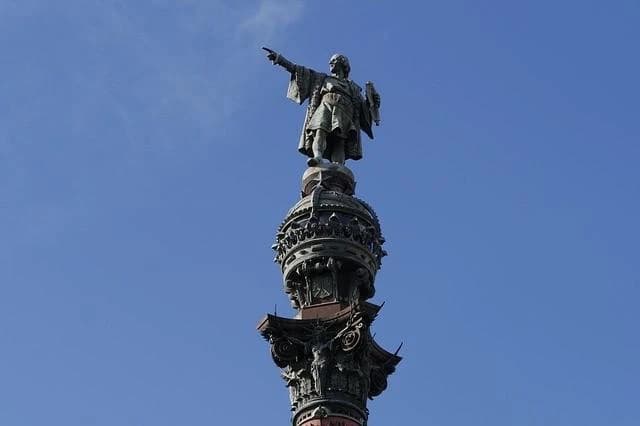
The Mirador de Colom, also known as the Columbus Monument, is an impressive pillar dedicated to the explorer Christopher Columbus in Barcelona with an observation deck at the top. It stands 197 Ft (60 m) tall and sits at the end of La Rambla, very close to the city’s port. The structure consists of an enormous Corinthian style column on which stands a statue of Columbus. At the bottom part of the pillar are various sculptures related to the discovery of America accompanied by eight iron lions. These are normally sat on by the tourists. In 1881, the city of Barcelona decided to commemorate Christopher Columbus, since the explorer had chosen the port of Barcelona to disembark after his voyage to the Americas. The monument was inaugurated in 1888 coinciding with the 1888 Barcelona Universal Exposition.
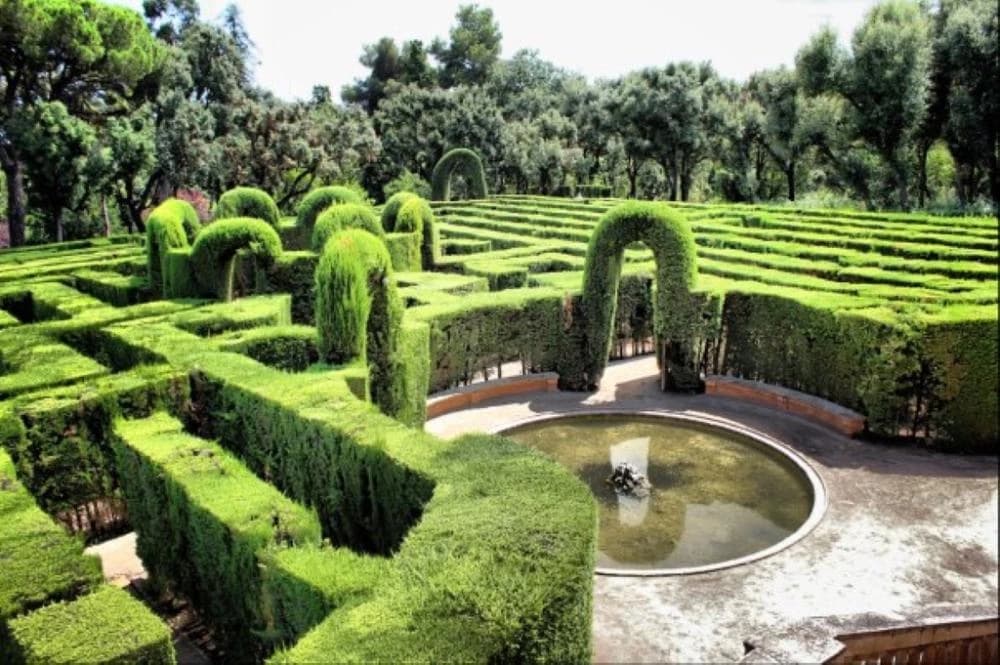
The archetypical hedge maze, sitting in the center of Barcelona’s Parc del Laberint d’Horta (Labyrinth Park of Horta), is one of the city’s hidden gems, having delighted visitors for centuries making it the oldest garden in the city. Work on the labyrinth and the surrounding gardens began in 1791 as part of a wealthy estate owned by the Desvalls family. The maze and its attendant Italian-inspired terraces were part of the original construction when the majority of the rest of the park was created in the mid-1800s, and is now known as the Romantic portion. Anyone who makes it to the center will find a statue of Eros, Greek God of Love, implying that the romantic part of the garden existed even before any expansion. There are also pavilions that overlook the maze and feature their own statues of Greek gods. There is also a picturesque pond at one end.
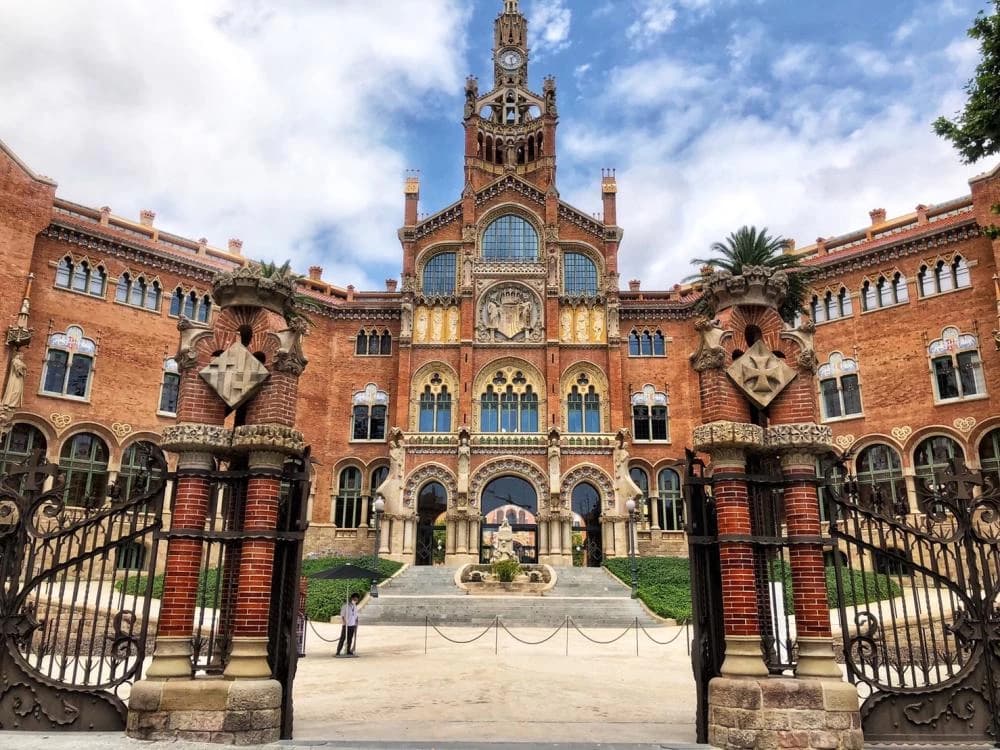
The Hospital de Santa Creu i de Sant Pau, commonly known as Hospital de Sant Pau, is an impressive complex constructed at the beginning of the twentieth century by Lluís Domènech I Montaner and his son. The surprising hospital was designed like a small modernist complex. The idea behind the design was to help the patients heal thanks to its pleasant atmosphere. Since 2009, it is no longer functioning as a hospital. The Hospital of the Holy Cross and Saint Paul comprises several independent pavilions, interconnected by a network of underground tunnels and surrounded by green spaces. And after being deactivated in the year 2009, the former hospital complex became a cultural space called Sant Pau Recinte Modernista. The Hospital de la Santa Creu i Sant Pau is, to this day, the largest complex of Catalan modernist architecture in the world. Besides, it was declared a UNESCO World Heritage Site in 1997, in a joint inscription with the Palau de la Música Catalana.
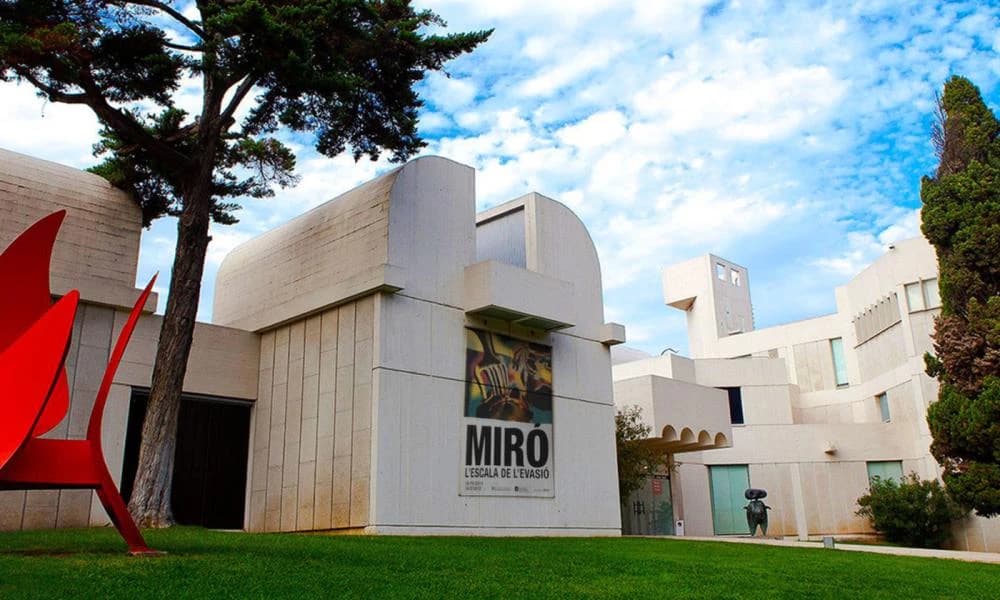
The Fundació Joan Miró (Joan Miró Foundation) was opened in 1975 in Barcelona as a reference center of Joan Miró’s work. The renowned Spanish artist created this foundation with works from his own private collection to promote the study and dissemination of Modern Art in all its facets. The Foundation was created after his first major exhibition in Barcelona in 1968. Most of the works on view at the Mirò Foundation were donated by the artist himself in 1975, others are donations or long-term loans by Mirò’s wife and family, while others are on loan from private and public collections. Miró's artistic career and the wide variety of techniques he used are widely represented by the more than 14,000 exhibits on display. 217 paintings, 178 sculptures, a variety of prints and textiles and over 8,000 drawings provide an in-depth understanding of the creative process of the Catalan genius. The museum not only houses works by Joan Miró, but also includes paintings by Marguerite and Aimé Maeght, Pierre Matisse, Manuel de Muga, Josep LLuís Sert, Francesc Farreras, Josep Royo, Gérald Cramer and David Fernández Miró, Miró’s grandson.
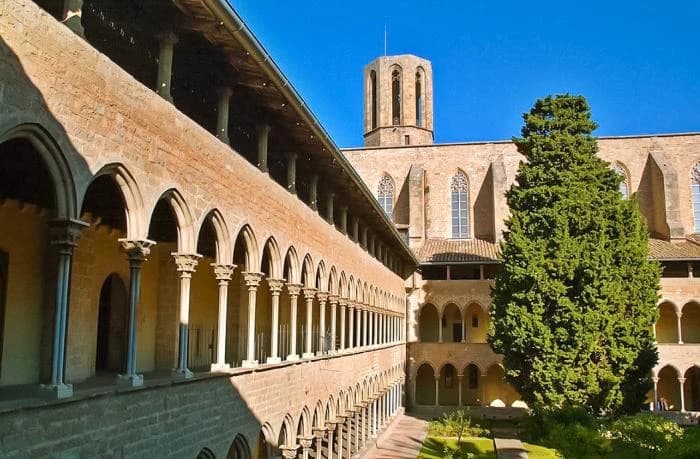
The Monastery of Pedralbes was established in 1327 by Elisenda de Montcada, wife of King James II of Aragon to house the Order of nuns called the Poor Clares. The monastery’s church and cloister are considered to be one of the best illustrations of Catalan Gothic architecture. The name 'Pedralbes' comes from Latin and refers to 'petras albas', white stones. For centuries the Pedralbes monastery was closed to outsiders, but in 1972 Barcelona's municipal government and the nuns agreed to hand the monastery over to the city, so it could be used as a museum. In return, the city would build a new monastery for the nuns. The old monastery finally opened its doors in 1983, after many years of restoration work. You can visit the monastery's many areas, such as the herb garden, the kitchen, the old dormitories with an exhibition/museum about the monastery relics and various chapels. St Michael’s Chapel is one of the most striking parts of the Monastery. It is covered by paintings that date back to 1346. And together with the adjacent monastic church, this is one of the hidden gems to visit on your Barcelona city break.
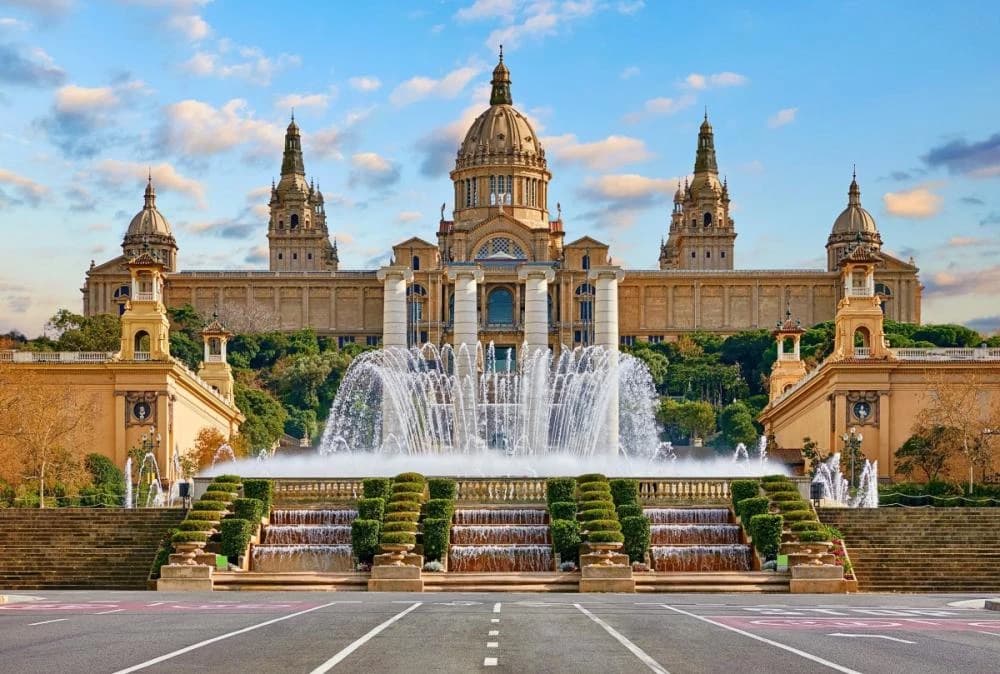
Standing on a vantage point 173 meters above the port, Montjuïc Castle commands stunning views of the city. The top of Montjuïc is the ideal place for a bastion of defense, with 360º views of the city below. However, this military enclave wasn't built until the Reapers' War in 1640. In 1652, the fortress came under royal ownership and, some 50 years later, was one of the key defense points in the War of the Spanish Succession, between 1705 and 1714. In the middle of the 18th century, the military engineer, Juan Martín Cermeño, was commissioned to restore the castle which had been badly damaged during the war, and its current appearance dates from this time. On 15th October 1940, the president of the Catalan government, Lluís Companys, was executed by firing squad at the castle. The castle was used as a military prison until 1960 when it was given back to the city and used as an army base. Three years later, Franco opened a weapons museum in the castle. In 2007, the castle came under the ownership of Barcelona City Council and, as a result, now belongs to all the citizens of Barcelona.
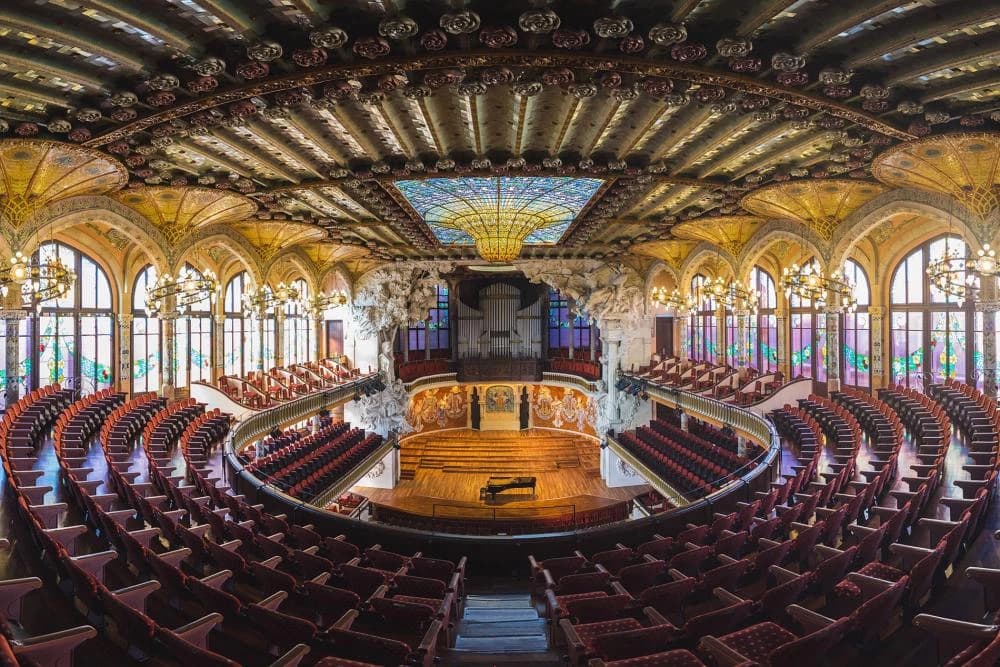
The Palau de la Música Catalana (or Palace of Catalan Music, in English) is one of the most striking concert halls in the world. Built between 1905 and 1908 for the Orfeó Català (a Catalan choral society), it is currently one of the most representative Catalan Modernist buildings in Catalonia’s capital city. The architectural masterpiece was designed by Lluís Domènech i Montaner, one of the greatest representatives of Catalan modernism. The concert hall has an impressive acoustics, reason for which many famous artists wish to sing in the Palace of Catalan Music and why it is held in high esteem. Besides having formidable acoustics, the Palau de la Música Catalana is richly decorated with stained glass, mosaics, ceramics, sculptures, murals, and wrought iron elements. The Palau de la Música Catalana was declared a UNESCO World Heritage Site in 1997. The concert hall is an architectural jewel. Its exterior is as surprising and unique as its interior, with one of the most beautiful auditoriums in the world.
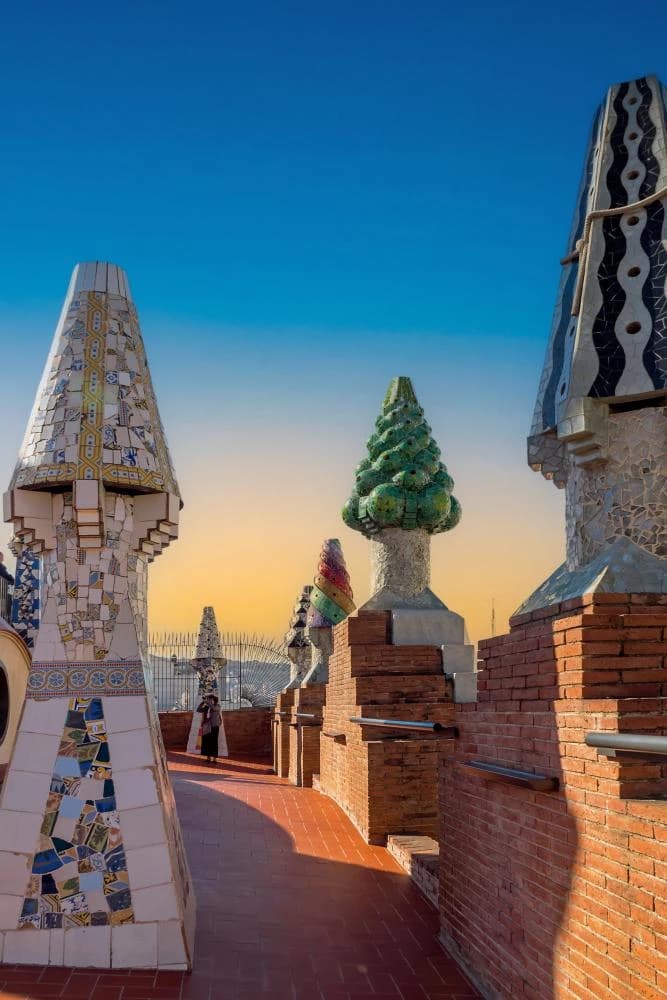
The Palau Güell is a distinctive Modernist mansion built by Antoni Gaudí. The building was commissioned by the industrial magnate Eusebi Güell and was constructed between 1885 and 1890. The building, which was declared a UNESCO World Heritage Site, was designed as a residence for the executive’s family. Nowadays, the mansion is exactly as it was when Gaudí built it.The Güell family lived in the palace until they moved to Park Güell. In 1945, Eusebi Güell's youngest daughter donated the palace to the city of Barcelona. The most exceptional part of the Palau Güell is the rooftop, very much like La Pedrera – Casa Milà. The roof measures 400 square meters and is decorated with curious chimneys covered in colorful mosaics. The roof symbolizes heaven that Gaudí represents as 'out of this world' and offers a beautiful view of Barcelona's city center.
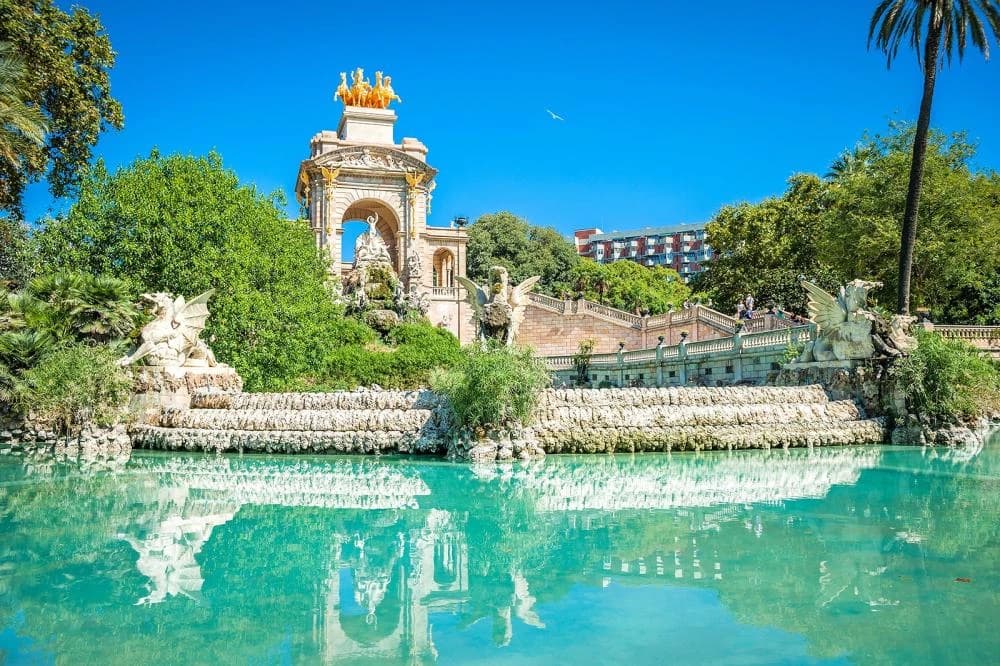
The Parc de la Ciutadella, built on the grounds where the city’s fortress once stood, is Barcelona’s most central park and for many years, was the only public park in the city. After the War of the Spanish Succession, Philip V of Spain commissioned the construction of an enormous citadel called Montjuïc Castle. For its construction, many houses were demolished and over 4,500 citizens were evicted. After the Glorious Revolution in 1868, the fortress was demolished and the citadel was transformed into a beautiful park for the 1888 Barcelona Universal Exposition. Antoni Gaudí was one of the main architects that was commissioned for the project. The park is truly magnificent with several elements that enhance its beauty, including a beautiful cascade made up by an enormous monument and the Castillo de los Tres Dragones (Three Dragon Castle), which currently houses the Zoological Museum. The Park also houses stunning monuments, a lake, a greenhouse, wooded land, Barcelona Zoo and landscaped areas.
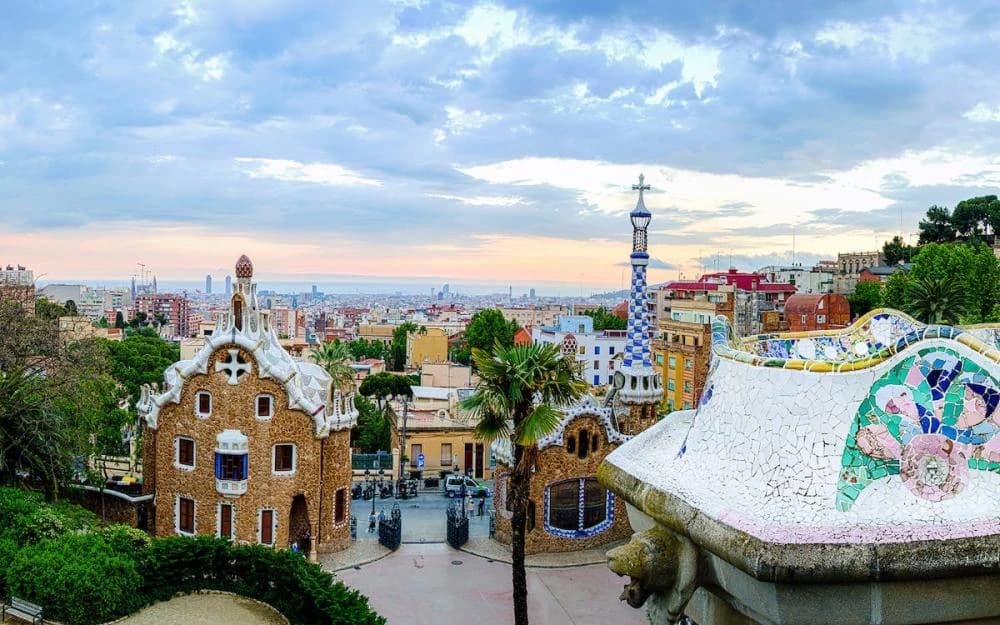
Park Güell is an enormous garden with stunning and distinct architectural elements designed by the renowned Catalan architect, Antoni Gaudí. The Park is named after Eusebi Güell, a rich entrepreneur and count that had a great passion for Gaudí’s work and who became his patron. The park was originally conceived as part of a luxury residential complex, but over the years this idea was dropped and in its place Güell and Gaudí designed a park that could be the setting for a fairy tale. The park was opened to the public in 1922 and since then has become one of Barcelona’s main tourist attractions. In 1984, it was declared a World Heritage Site by UNESCO. This green space measures 17 hectares and includes rounded forms, columns that look like tree trunks, animal figures and geometric shapes. Most of the architectural elements are decorated with mosaics made from colorful ceramic pieces.
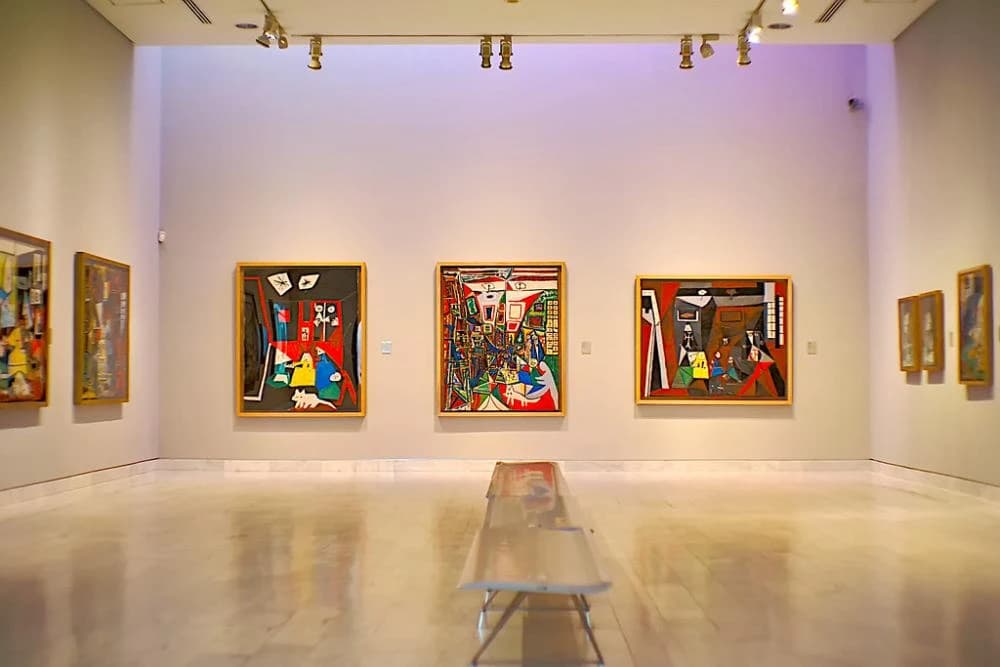
Barcelona’s Museu Picasso (Picasso Museum) features over 3,500 works of art by Pablo Picasso, one of the most influential artists of the twentieth century. It houses the artist’s largest collection and focuses chiefly on Picasso’s early work. Picasso spent his formative years in Barcelona and the city in some respects became his muse, which explains why he suggested that the museum be opened in Barcelona and not in Malaga, where the painter was born. The museum was founded in 1963 by Picasso’s good friend Jaume Sabartés who donated numerous paintings by the artist. The museum is housed in five Catalan Gothic-styled palaces in which Picasso’s work is hung in chronological order. The mansions have been practically completely renovated, but there are still some areas that have not been altered and visitors can get an idea of how the wealthiest families of Barcelona lived during the nineteenth century. Visitors will be able to enjoy an impressive collection of the painter’s work, including “Man in a Beret”, “Portrait of Aunt Pepa”, “Science and Charity”, “The Divan”, “Woman with Bonnet”, “The Hug”, or the particular version of “Las Meninas”.
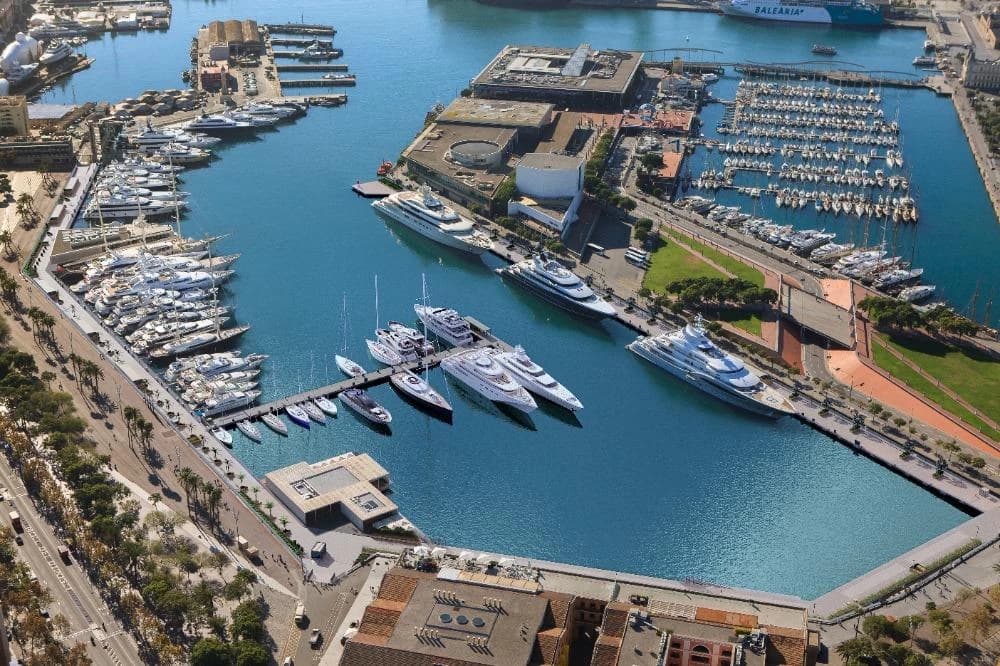
Port Vell, the 'Old harbor', is the oldest part of Barcelona's harbor. The harbor has been completely restored as part of an urban renewal project ahead of the 1992 Summer Olympics. Before that, the harbor area used to be run down with empty warehouses, marshaling yards, and harbor factories. Now Port Vell harbor in Barcelona is an important tourist attraction with the Maremàgnum (a shopping center that also has a cinema, bars, and restaurants), an IMAX theater and Europe's largest aquarium. A pedestrian bridge called the Rambla de Mar connects the busy Rambla street to the harbor. You can find the bridge to the harbor near the statue of Columbus.
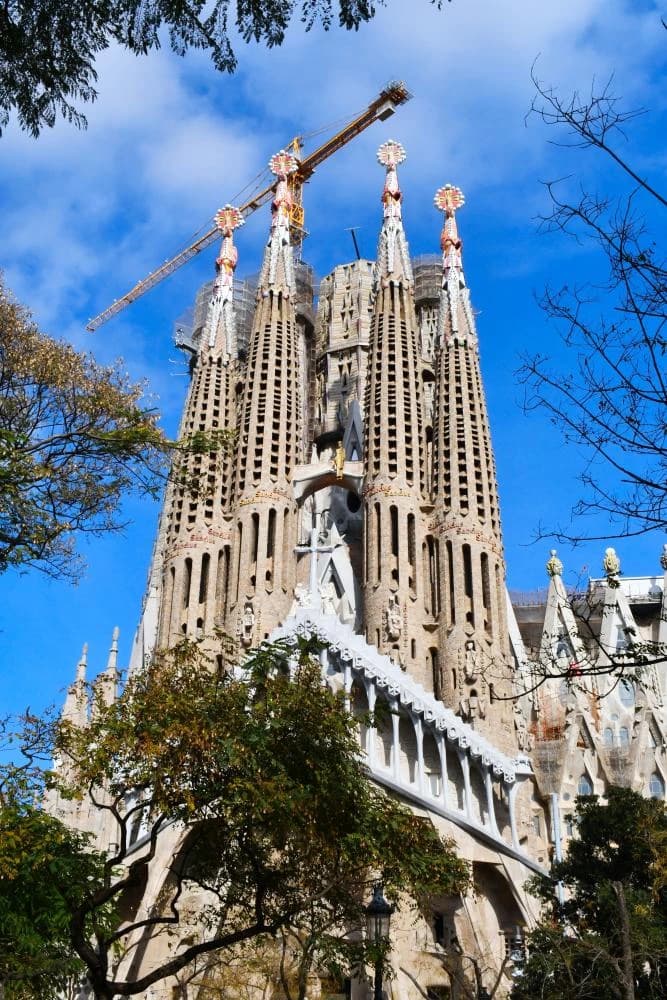
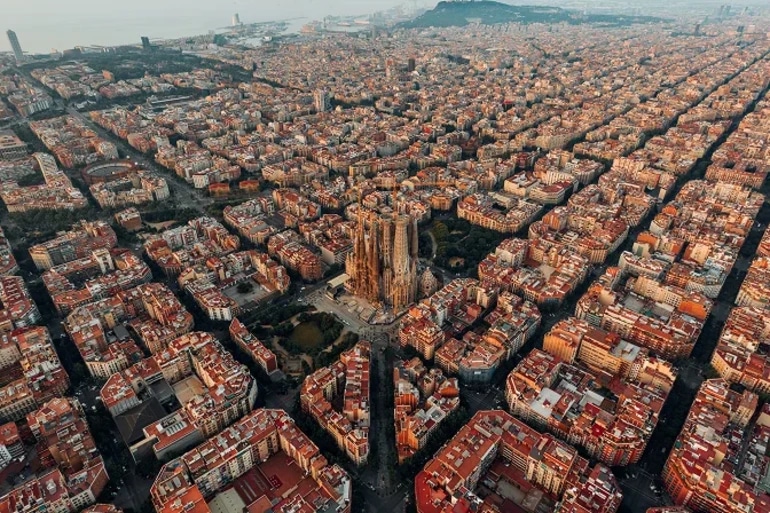
The Sagrada Familia (Basilica and Expiatory Church of the Holy Family) is the most iconic symbol of Barcelona and the most visited landmark in the whole of Spain. The construction of the structure began in 1882. A year later it was commissioned to the Spanish Catalan architect Antoni Gaudí, who redesigned it entirely. He drafted a remarkable and original basilica that was to have 18 towers. However, Gaudí passed away in 1926, leaving his most important project, which he was devoted to, unfinished. Nevertheless, thanks to his architectural plans, his work continues to be built to this day by renowned architects. Currently, eight of the eighteen towers have been completed. Gaudí had planned for 12 of them to be built in memory of the Disciples, four to commemorate the Evangelists, one in memory of Mary, mother of Jesus and another dedicated to Jesus Christ. Gaudí was deeply influenced by nature and its many forms. Inside the Sagrada Familia, he designed the pillars in the shape of elegant and slender tree trunks, creating a concrete forest in the temple’s interior. You can climb to the top of two of the church’s towers, on either side of the temple and get impressive views over two parts of the city and examine the building’s outside architecture up close.
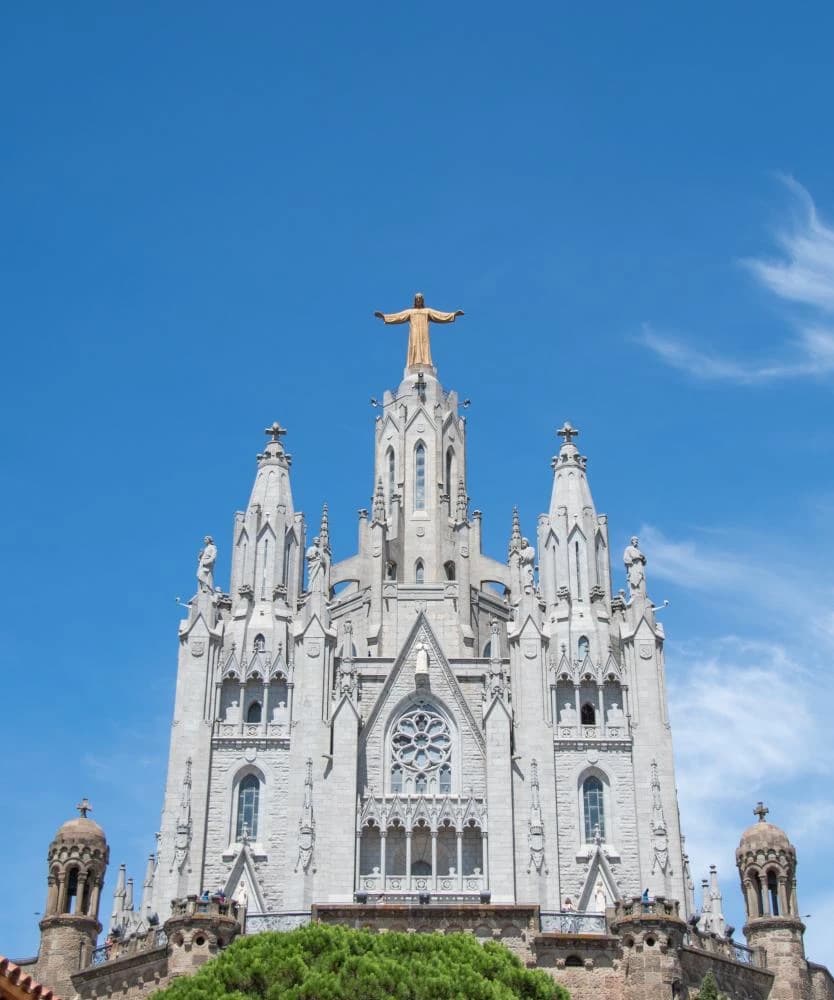
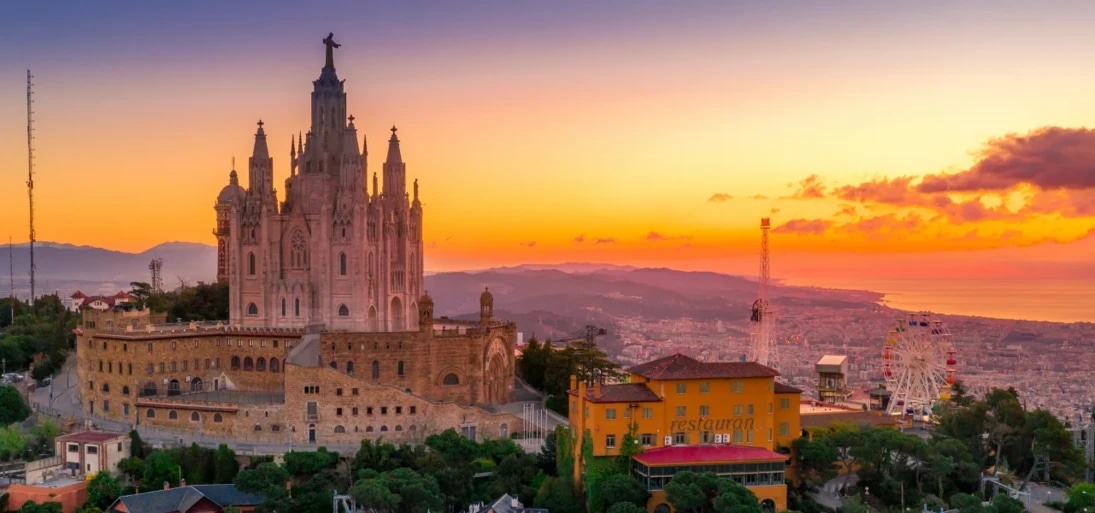
Located right at the peak of Mount Tibidabo, 512 meters above sea level, the Church of the Sacred Heart rewards visitors with exceptional views of Barcelona and the surrounding countryside. The neo-gothic church, built between 1902 and 1961, has a square floor plan with five towers. The four lower towers are decorated with large stone statues of the twelve apostles. The main, central tower of the church is crowned by a seven-meter bronze statue of Jesus by Josep Miret which replaced an earlier version of the sculpture by Frederic Mares that was destroyed during the Spanish Civil War. The interior of the church is simply decorated with stained glass windows and an altar with a large crucifix. To the right of the church is the original hermitage that was built in 1886. This church has been compared to the Sacré-Coeur of Paris, not just because of the similarities in decoration, but also because both churches have been built at high altitudes and have the same name. The bronze statue of Jesus Christ reminds its visitors of Rio de Janeiro's Christ statue of Corcovado.
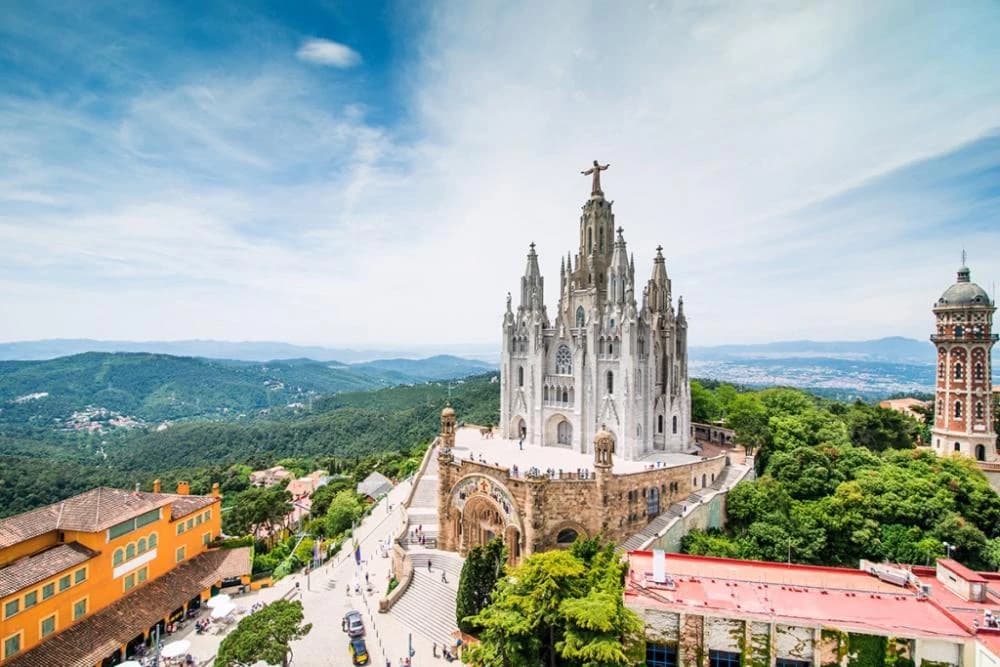
The Tibidabo, also known as the Magic Mountain, is the tallest mountain in the Serra de Collserola. It is 512 m tall and offers breath-taking views over Barcelona and the Sea. One legend is the name Tibidabo to the devil who wanted Jesus to lead into temptation. He said to him: "Haec omnia tibi dabo si cadens adoraberis me", English for "All this I will give you if you kneel down". Atop the mountain there is a large theme park, the amusement park "Parque de Atracciones del Tibidabo", and a number of buildings, including the Temple of the Sacred Heart of Jesus. It is an impressive neo gothic church crowned by a bronze statue of Jesus.Visitors can take an elevator to the top of the church to see a magnificent view of Barcelona. The Amusement Park in Tibidabo was opened to the public in 1899. It is the oldest theme park in Spain and one of the first to be built in Europe. Some of the first rides constructed in the park are still open today, like “El Avio” (the Plane). It is one of the earliest modeled planes that rotates thanks to its own propeller. Another emblematic ride is called “Talaia”, a tower built over 90 years ago that stands 50 meters high and offers 360° views over the city.
 pro
proLanguages:
 Català
 English
Profile verified
 local
localLanguages:
CatalàEnglishProfile verified
 local
localLanguages:
EnglishEspañolProfile verified
 local
localLanguages:
 हिन्दी
 اردو
اردوProfile verified
 pro
proLanguages:
 PortuguêsEspañol
Profile verified
 local
localLanguages:
Español Русский
Profile verified
 local
localLanguages:
 Туркмен / تركمنEnglish
Profile verified
 local
localLanguages:
 Български
 Հայերեն
Profile verified
 local
localLanguages:
EnglishEspañolProfile verified
 local
localLanguages:
EnglishEspañolProfile verified
 local
localLanguages:
РусскийProfile verified
Find private local guides worldwide. Connect with real people, real stories — not just scripted tours





Find a personal guide in just 1 minute and create your dream itinerary!

FindGuide is a platform for finding private and local guides around the world. You can choose a guide in advance who will show you the city from a local perspective, not just the standard tourist route.
Enter the city or country you're interested in into the search bar, choose a guide you like, and send them a request. All bookings are made directly on the platform.
We offer walking, food, historical, driving, private, and family tours in more than 100 destinations.
Yes, all guides go through moderation and verification. You can read reviews from other travelers, check the guide’s rating, and view their profile with photos and experience descriptions.
Tour prices vary depending on the destination, duration, and format. You see the cost upfront — no hidden fees.
Yes, the app is completely free for tourists. You can place your tour requests for local guides and access expert travel content totally free of charge.


