
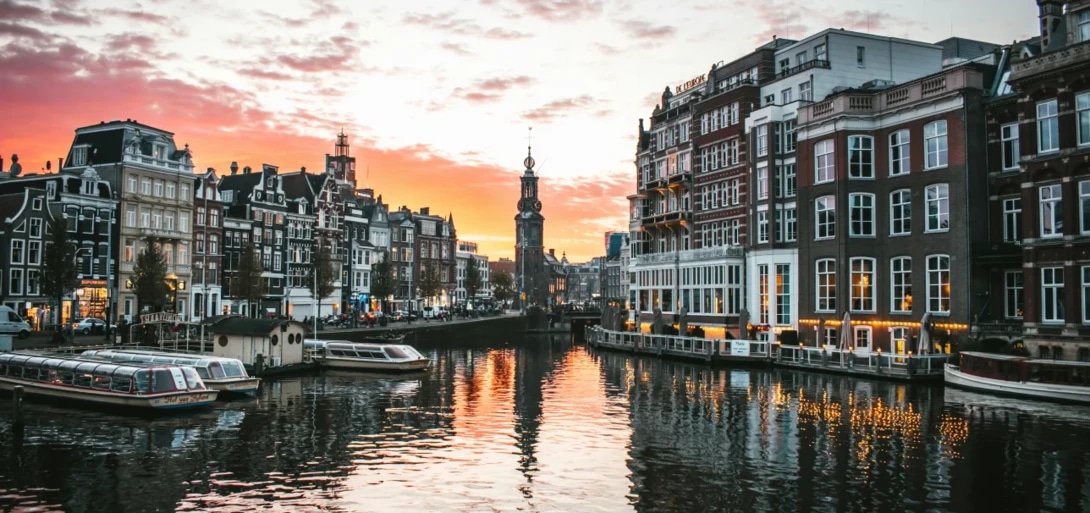
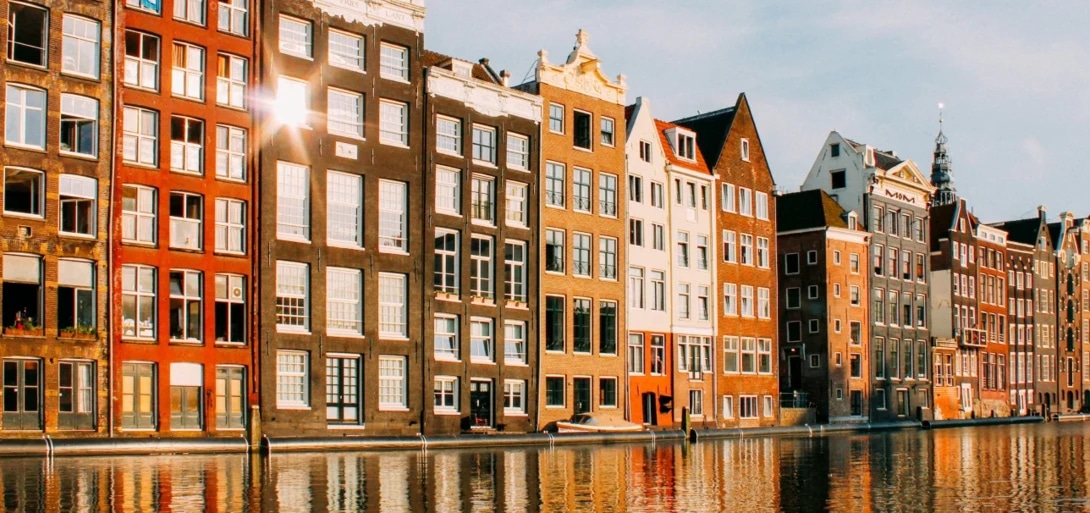
See Amsterdam’s highlights and local neighborhoods with a personal guide. Cruise along the city’s canals, visit world-class museums such as the Rijksmuseum and the Van Gogh Museum, and explore the historic Jordaan district. Enjoy Dutch pancakes or cheese at local cafés, and discover why Amsterdam is one of Europe’s most popular destinations. A private tour ensures you experience authentic Dutch culture.
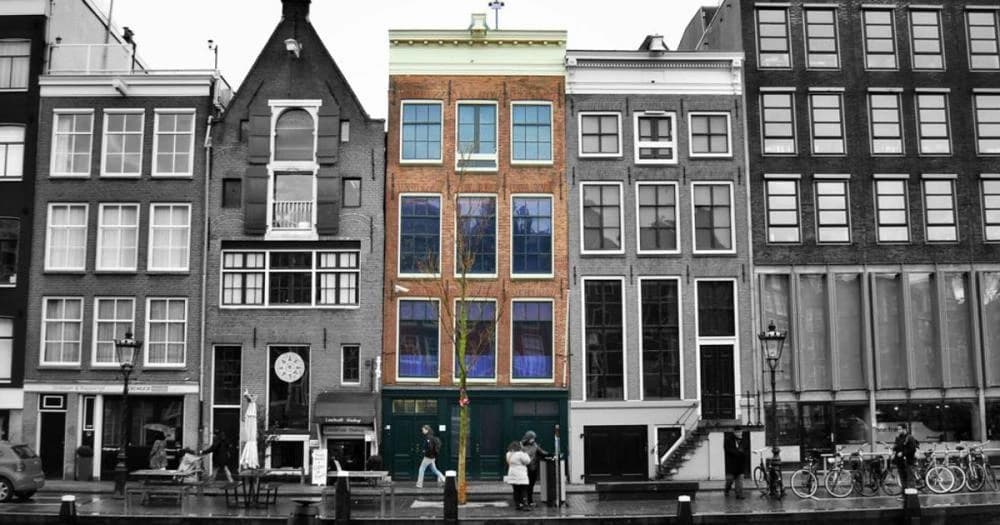
Located in the heart of Amsterdam, the Anne Frank House (Museum) is one of the most-visited museums in the city. Anne Frank and her family hid in this house from the Nazis during World War II. Anne Frank was a German-born Jew persecuted during the Second World War who moved to Amsterdam when the Nazi regime in Germany rose to power. When the Germans invaded the capital of Holland, she and her family hid at the back of this centrally located house for two years, from 1942 until 1944, with four other Jews. During her time in hiding, she wrote a diary “The Diary of a Young Girl” where she disclosed all her ideas, worries and events. In the summer of 1944, the family were discovered and deported to the extermination camps. The only survivor was Anne’s father who was given Anne’s diary when the war was over. “One day this terrible war will be over. The time will come when we’ll be people again and not just Jews.” It is extremely moving to visit the Anne Frank Museum, especially if you have read her diary. The house has been kept exactly as it was in the 1940s and is one of the most popular attractions in Amsterdam.
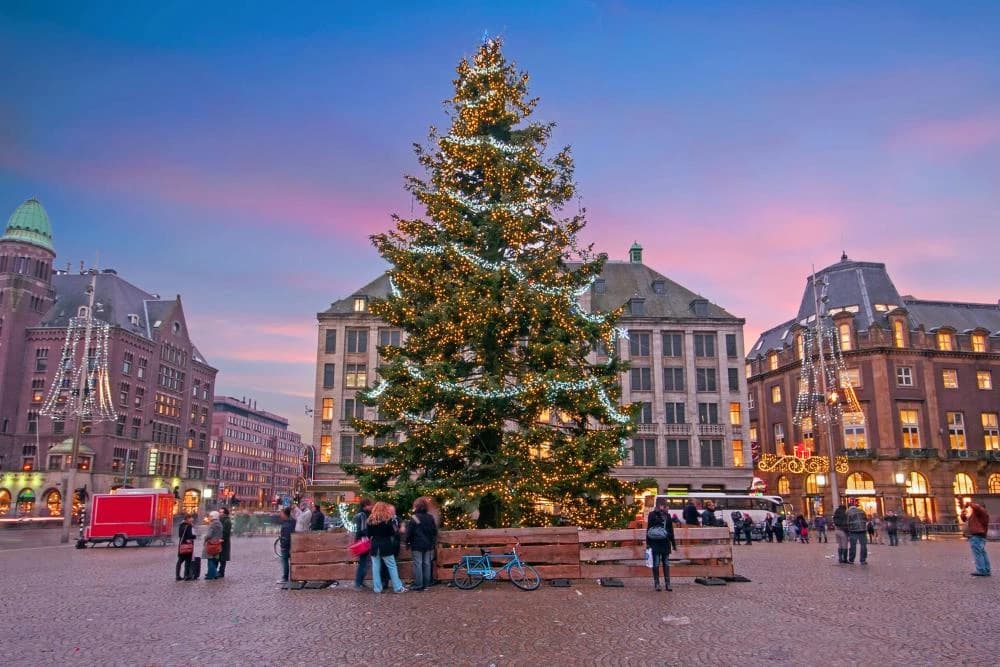
Dam Square is Amsterdam’s beating heart. Nowadays Dam Square in contrast with the old days it is now a very peaceful square which is home to scores of pigeons and street performers. Around 1270 a dam was constructed in this spot in the river Amstel. Dam Square was once the central marketplace of Amsterdam where literally everything under the moon was sold. In 1535 the square was the scene of the Anabaptists’ riots. Towards the end of the Second World War German soldiers killed innocent citizens here during a gruesome shoot-out. In the 1960s and the 1970s student protests took place here, as did the demonstrations against the war in Vietnam. It has been quiet on Dam Square in the past few decades. The National Monument on Dam Square was unveiled on 4 May 1956. It was erected in remembrance of those who died during World War II. Each year on 4 May many dignitaries, including representatives of the royal family, commemorate the victims of the Second World War here. The Royal Palace and the Nieuwe Kerk Amsterdam are also situated at Dam Square. Other nearby highlights are the red light district, the narrowest house in Amsterdam at Singel 7 and the shopping mall Magna Plaza.
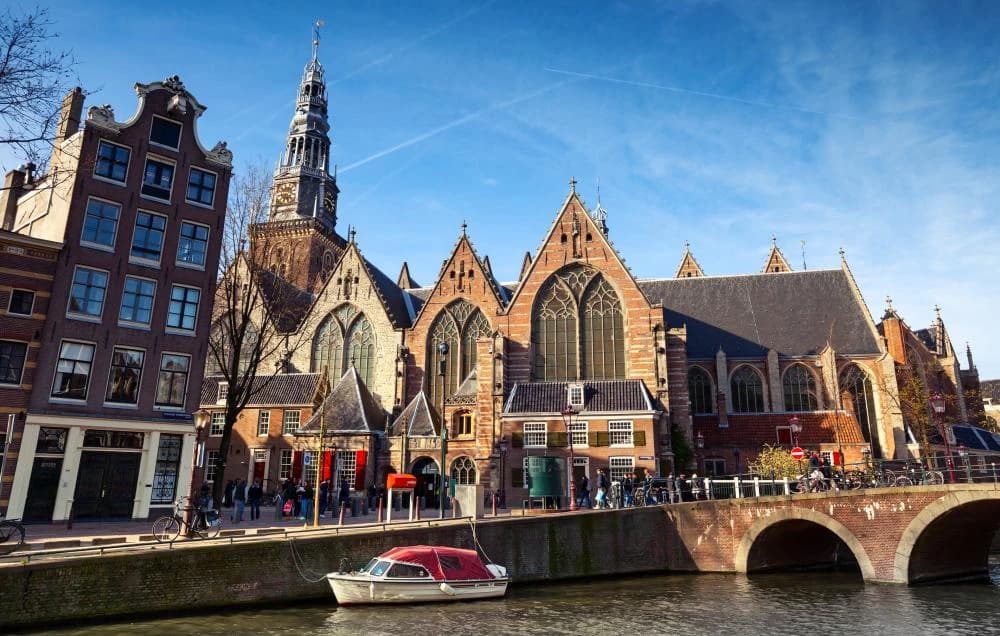
The Oude Kerk (The Old Church in English) was built in 1302 and is the city's oldest building. Established at the beginning of the thirteenth century, the chapel was first made of wood. It was then renovated and built of stone. Consecrated in 1306, it has become the city's most important Gothic church. Surprisingly, the Oude Kerk is located in the heart of the Red Light District. The edifice is surrounded by bright red lights and numerous women behind their windows. The contrast of these two elements manifests how liberal, but religious the Dutch population is. The interior of Oude Kerk was stripped of all its decoration in the late sixteenth century after the Alteratie (take over of Amsterdam by the Protestants). Before this date, the Oude Kerk had been a Roman Catholic church. The church was raided on several occasions, destroying most of the temple’s decoration, including paintings and statues. Some of the most beautiful parts of the temple include an enormous vaulted wooden ceiling that still conserves paintings from the fifteenth century, striking intact stained-glass windows, and its four-pipe organ, which stands out compared to the bare decoration.
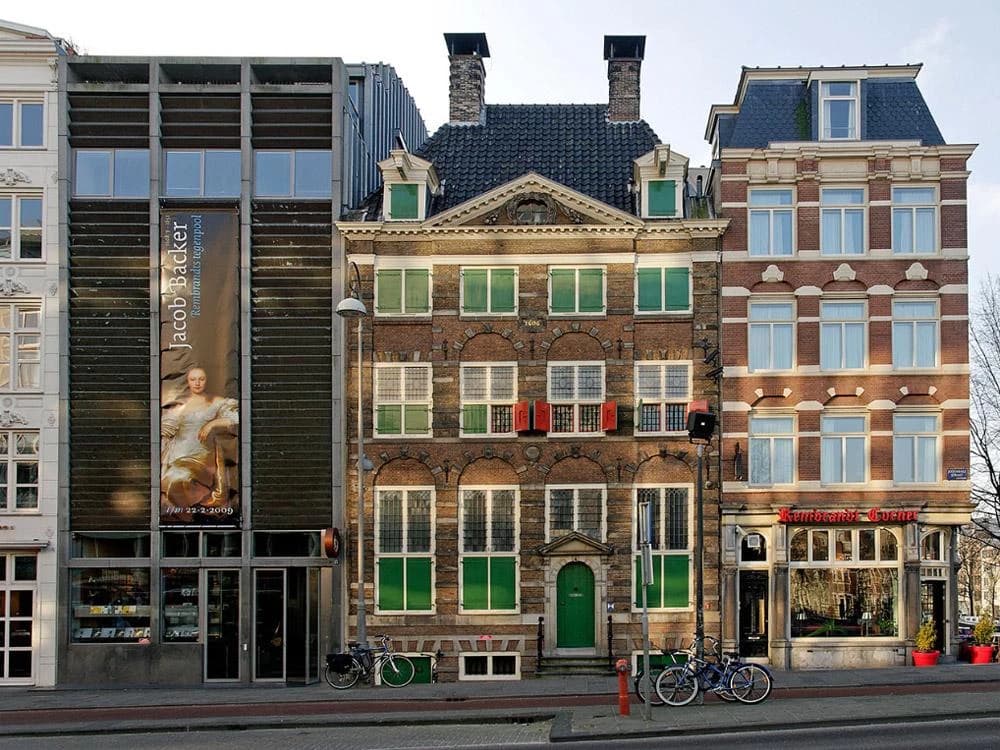
The Rembrandt House Museum is where Rembrandt Harmenszoon van Rijn lived and painted, surprising his contemporaries and the whole art world. Rembrandt, an expert painter, draftsman and printmaker, purchased his house in 1639 when he became a successful artist. In 1656, Rembrandt went bankrupt and had to sell his most valuable possessions. The Rembrandt House Museum has been fully restored to its original aspect, when the innovative master lived in the house during the seventeenth century. It contains the old furniture and paintings by other contemporary artists that decorated the painter's walls. The museum’s most interesting room is the artist’s workshop. You can also visit the kitchen, the bedrooms and an art room full of different objects Rembrandt and his students added to their canvas, including plaster figures, strange animals and snail shells. Some experts believe that Rembrandt’s luck changed in 1642 after painting the world-famous “The Night Watch”, currently displayed in the Rijksmuseum. After completing this canvas, much darker than the rest of his work, the artist lost popularity.
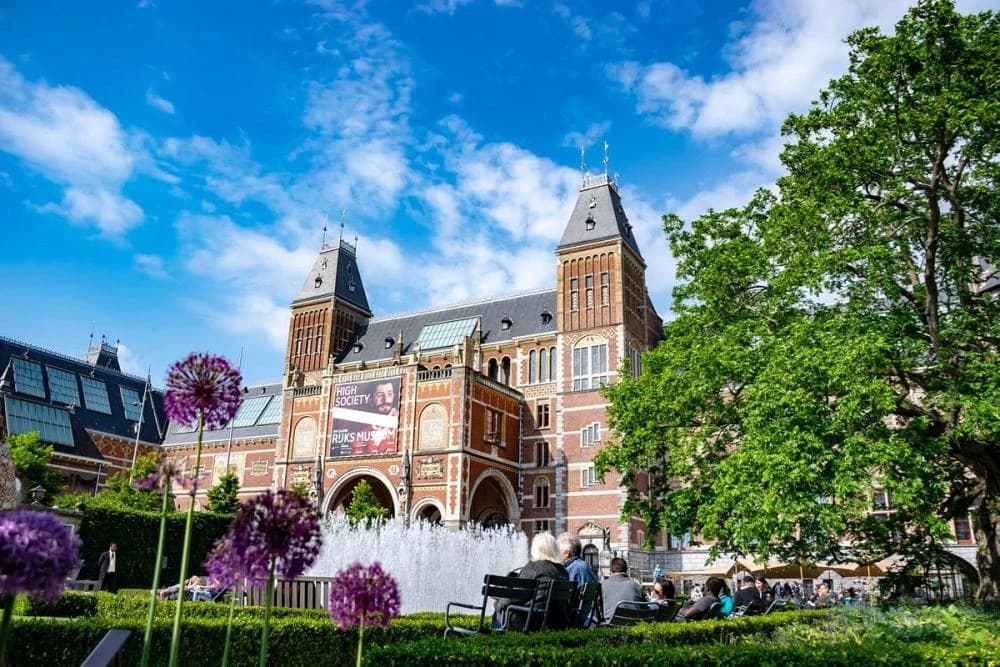
The Rijksmuseum is one of Amsterdam’s grandest and most popular museums. Its vast collection showcases iconic art and a wide variety of artifacts that reflect more than 800 years of Dutch and global history, including jaw-dropping paintings by the likes of Rembrandt, Van Gogh and countless more Dutch greats. The collection includes world-renowned works such as Rembrandt's 'The Night Watch ' (now visible in a beautifully lit hall where visitors can see every little detail) and paintings by Johannes Vermeer and Frans Hals. In addition, the museum manages a collection of Delftware, sculptures, Asian art, prints and other important art objects. The Rijksmuseum's collection goes further than the Dutch masters. The rich cultural history of the Netherlands comes to life with objects such as ship models, sculptures, archaeological finds, clothing, weapons, prints, photos and more. In addition, thousands of historical objects portray the history of our country in a worldwide context and tell the story of 800 years of Amsterdam, from the Middle Ages to the present day. In addition to masterpieces from the Golden Age, there are, for example, Delft blue dishes, sculptures, Asian art, etchings and objects related to Dutch maritime history. There are also modern additions, such as a Mondrian-inspired dress from 1965 designed by Yves Saint Laurent.
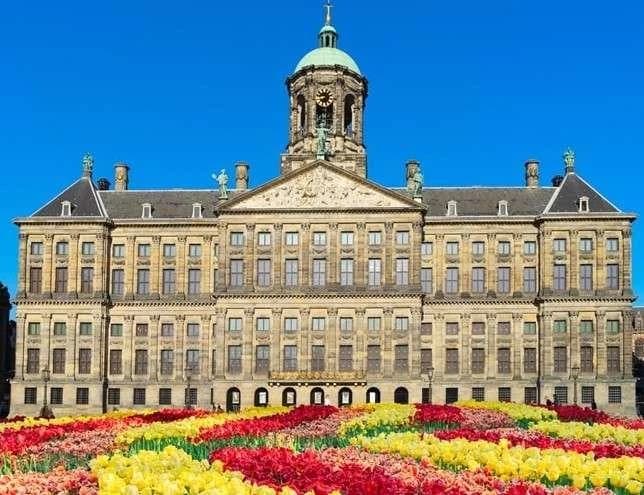
The Royal Palace is located on the ‘Dam’ (Dam Square) in Amsterdam. It is one of the three palaces still used by the Royal Family. The Royal Palace in Amsterdam isn’t King Willem-Alexander's place of residence, but he occasionally receives important guests here. The 350 year old Palace started as the City Hall of Amsterdam. In 1808 King Louis Napoleon Bonaparte transformed it into a Palace, which it has remained ever since. After the fall of Napoleon in 1813, Prince Willem of Orange, later King Willem I, returned the palace to the city of Amsterdam. After his investiture, however, the new King realized the importance of having a home in the capital and asked the city authorities to make the palace available for royal use once again. It was not until 1936 that the building became state property. The Royal Palace in Amsterdam is now used mainly for entertaining and official functions, such as state visits, New Year receptions and other official occasions. It is open to the public throughout the year and hosts exhibitions.
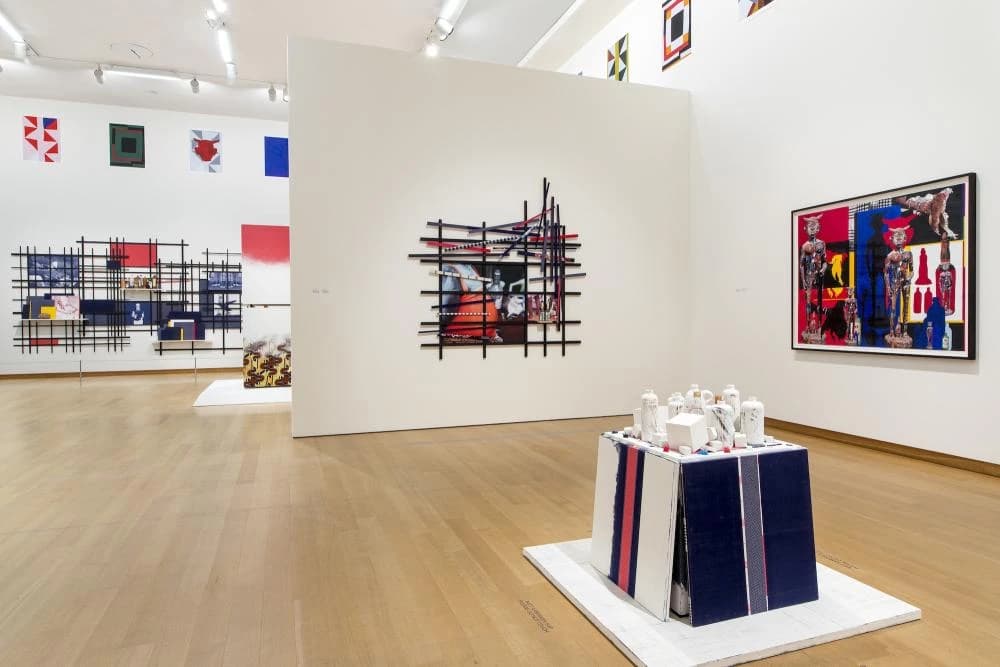
Situated on Museumplein, where it first opened in 1895, Amsterdam’s Stedelijk Museum is the largest Dutch museum dedicated to modern and contemporary art and design. The collection contains extraordinary pieces of art by world-renowned artists, including a great number of works by major twentieth-century Dutch artists. The Stedelijk Museum's extensive collection is comparable in style to the Museum of Modern Art in New York and the Art Institute of Chicago. Design has been given a permanent place in the museum for the first time, with big names such as Joseph Hoffmann, Gerrit Rietveld and Tapio Wirkkala. Contemporary artists are also strongly represented with masterpieces by, among others, Maarten Baas, Barbara Bloom, Rineke Dijkstra, Marlene Dumas, Sheila Hicks, Jeff Koons, Wolfgang Tillmans, Edward Kienholz, Willem de Kooning and Andy Warhol. Since the renovation and extension of the building, the Stedelijk has been able to show more of its famous collection than ever, thanks to the many new museum rooms.
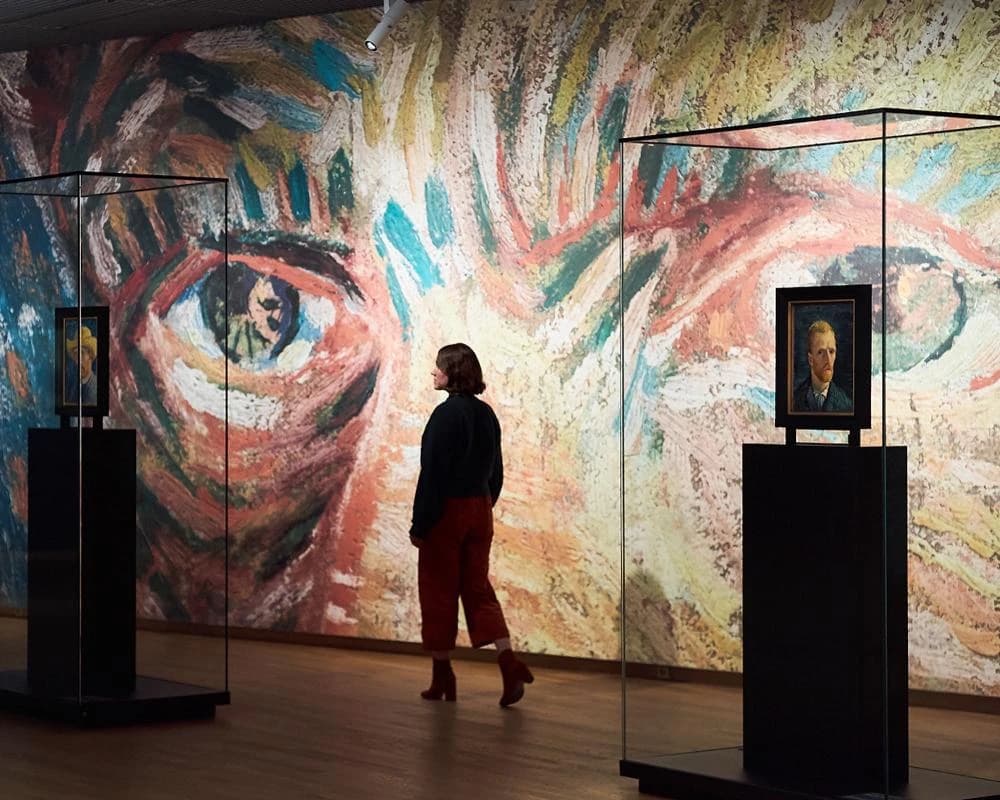
The Van Gogh Museum is the second most visited museum in Amsterdam. The museum features over 200 works of art by the Dutch painter, relating them to the stages of his life. Vincent van Gogh was born in Zundert, the Netherlands, in 1853. After receiving a good education, part of which took place in a boarding school, Vincent worked for an art dealer, where he discovered his vocation. Van Gogh felt lonely as an artist and decided to create an art residency in Arles where he and other similar-minded artists would live and share ideas. The first artist he invited was Paul Gauguin. Two days before Christmas in 1888, van Gogh had his first mental breakdown when Gauguin announced that he wanted to leave Arles. In a frenzy, Vincent cut off part of his left ear. One year later, van Gogh was voluntarily hospitalized in a psychiatric hospital. His mental health worsened with time and the artist finally shot himself in the chest in 1890. He died two days later, aged only 37 years old. During his lifetime, he only sold one painting. The modern Van Gogh Museum houses over 200 paintings, 500 drawings and hundreds of letters written by the artist.
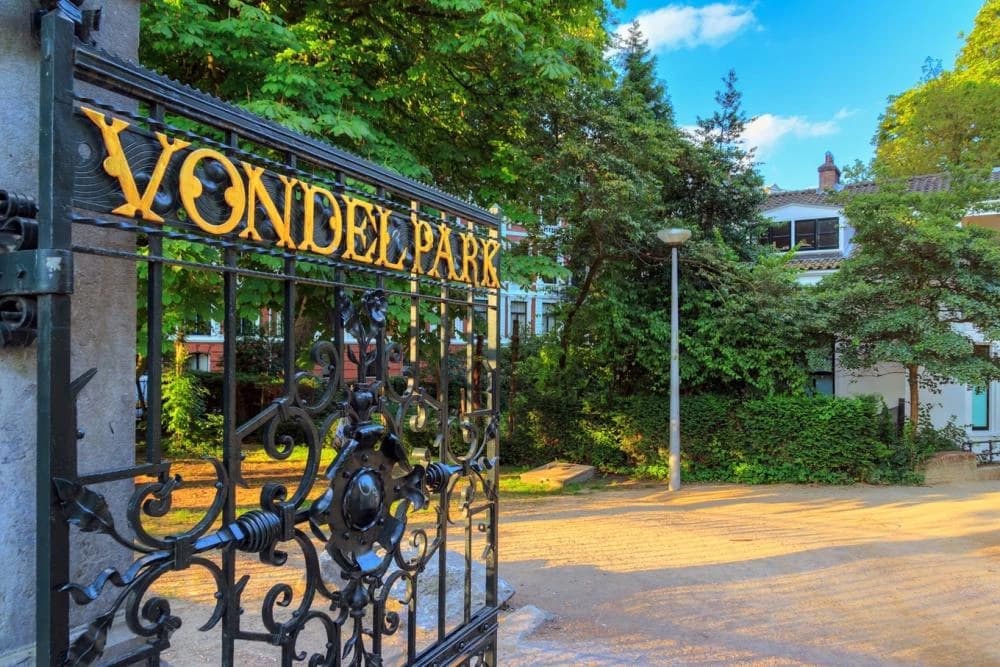
Vondelpark is the largest and most-famous park in Amsterdam. The city’s main green lung is 470,000 square meters and houses endless types of plants and small animals that enjoy entertaining the numerous visitors. In 1996, the park was declared a “state monument” (Rijksmonument in Dutch), demonstrating the great cultural and historical value the space has. The Vondelpark opened in 1865 as a fashionable leisure spot for Amsterdam’s middle class, designed by landscape architect Jan David Zocher. It was originally titled ‘Nieuwe Park’ (literally ‘New Park’), although it was officially renamed to Vondelpark in 1880, after the statue of 17th-century Dutch poet Joost van den Vondel, which had been unveiled in the park some 13 years earlier. Zocher designed the Vondelpark in the popular English landscape style, creating rolling vistas of pathways, lakes and woods to give the illusion of an idealized natural landscape. The park continued to expand throughout the later decades of the 19th century, with the bandstand and the Pavilion building constructed in the 1870s. The park was donated to the city of Amsterdam in 1953.
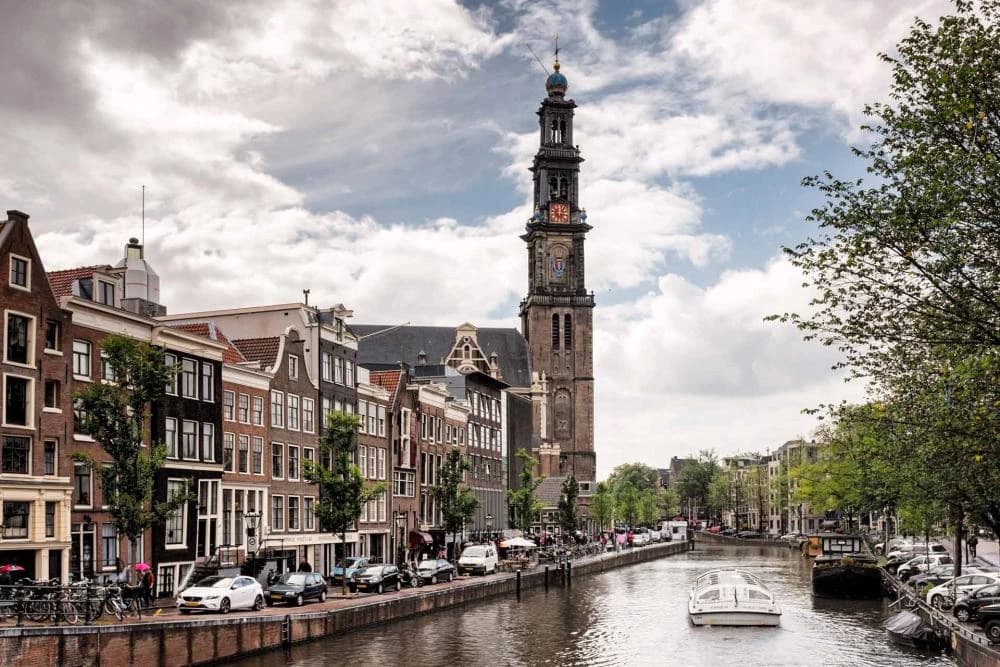
Westerkerk is a Renaissance-style church in the center of Amsterdam with a stark façade and a beautiful organ decorating its interior. Constructed between 1620 and 1631, Westerkerk’s major highlight is its 85-meter bell tower, housing an hour striking bell that weighs over 7,000 kg. At 85 meters, the iconic Westertoren is the highest structure in the heart of Amsterdam. It is topped by the imperial crown of Maximilian I, who appreciated the support he received from Amsterdam during the Hook and Cod wars. It is believed that Rembrandt's resting place is along the North wall of the church. It is not clear where exactly the famous Dutch painter is buried because he died in poverty, and was buried in an unmarked grave. Anne Frank wrote in her diary about the soothing music of the church bells, which she listened to while in hiding. She particularly appreciated hearing the hourly tones of the bells at night. The Westerkerk is open to visitors throughout the year. If you want to enjoy the best panoramic views of Amsterdam, we highly recommend climbing to the top of the Westertoren (“Western Tower”). But, pay attention, the bell tower is closed to visitors during the winter.
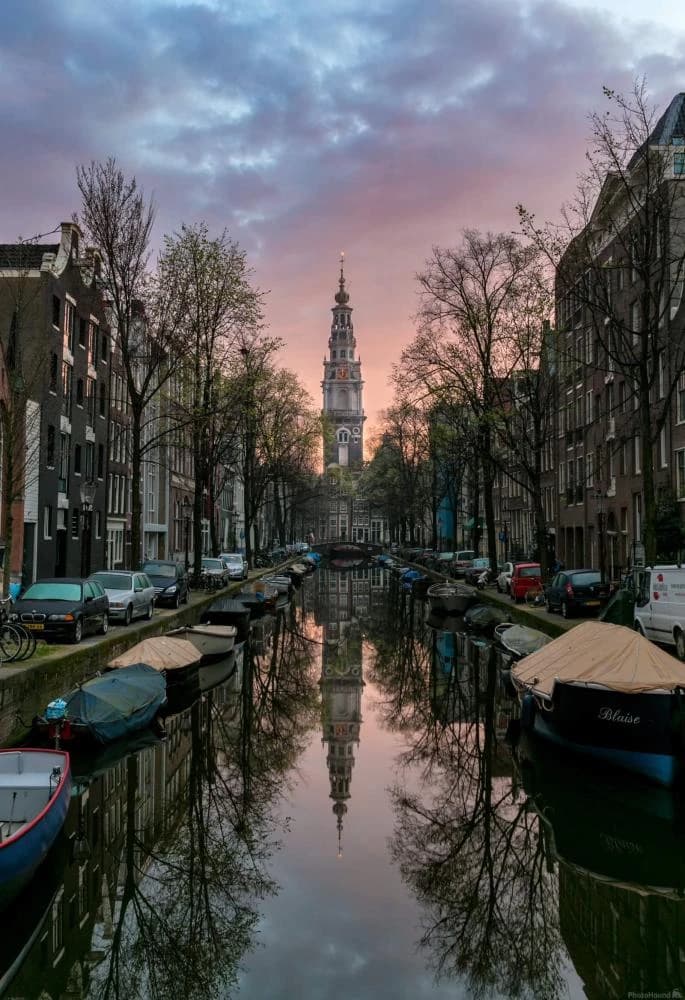
Built in 1611, the Zuiderkerk (Southern Church) was the city’s first Protestant church and remains one of its most memorable landmarks. The design of the church in Amsterdam Renaissance style is by Hendrick de Keyser , who was also buried in the church in 1621. A memorial stone was placed on top of his tomb in 1921. French Impressionist painter Claude Monet painted the church during a visit to the Netherlands. There is some confusion about the date of this painting, but it was probably one of 12 paintings made by Monet in 1874 during a visit to Amsterdam. Three of Rembrandt's children were buried in the Zuiderkerk, which is very near to Rembrandt's house in the Jodenbreestraat. According to local legend, he painted the Night Watch in the church because his own studio was too small, but that is a highly disputed claim. Ferdinand Bol, one of Rembrandt's most famous pupils, was buried in the Zuiderkerk in 1680. The Zuiderkerk was used for church services until 1929. Now it is also one of 3 old church towers in central Amsterdam that you can normally climb up and get a great panoramic view of the city.
 local
localLanguages:
 English
 Русский
Profile verified
 local
localLanguages:
English Español
Profile verified
 pro
proLanguages:
Español Italiano
Profile verified
 local
localLanguages:
EnglishProfile verified
 pro
proLanguages:
EnglishEspañolProfile verified
Find private local guides worldwide. Connect with real people, real stories — not just scripted tours



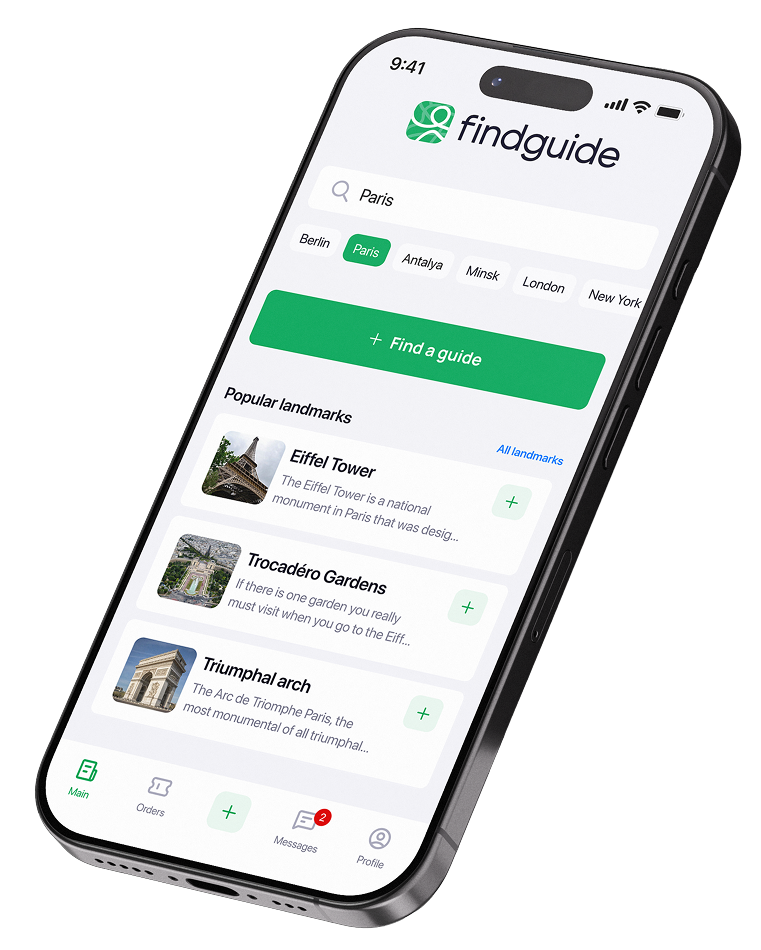

Find a personal guide in just 1 minute and create your dream itinerary!

FindGuide is a platform for finding private and local guides around the world. You can choose a guide in advance who will show you the city from a local perspective, not just the standard tourist route.
Enter the city or country you're interested in into the search bar, choose a guide you like, and send them a request. All bookings are made directly on the platform.
We offer walking, food, historical, driving, private, and family tours in more than 100 destinations.
Yes, all guides go through moderation and verification. You can read reviews from other travelers, check the guide’s rating, and view their profile with photos and experience descriptions.
Tour prices vary depending on the destination, duration, and format. You see the cost upfront — no hidden fees.
Yes, the app is completely free for tourists. You can place your tour requests for local guides and access expert travel content totally free of charge.


